

Published
11 minute read
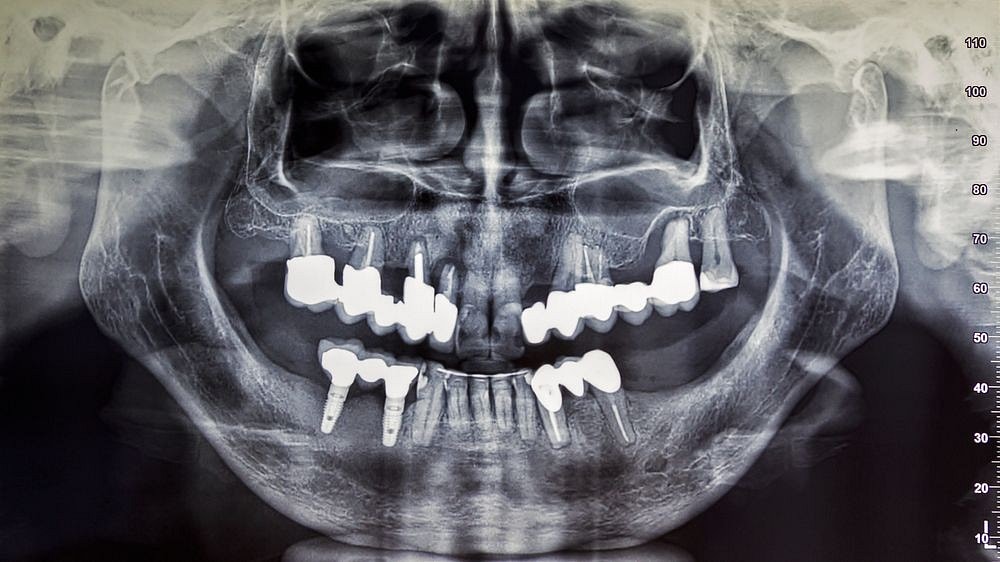
When considering dental implants, one crucial factor that determines implant success is bone density. The strength and volume of your jawbone play a vital role in supporting the implant, ensuring stability and long-term durability. If your bone density is too low, it can pose challenges for traditional implant placement. Luckily, modern advancements offer solutions for various bone conditions. In this blog, we’ll explore how bone density affects your implant choices, the available options for patients with different levels of bone volume, and what steps you can take to ensure the best possible outcome for your dental implant procedure.
Bone density refers to the amount of bone mineral present in a given volume of bone, determining its strength and ability to support structures like teeth and implants. In the context of dental implants, bone density is a critical factor because it affects the implant’s stability and integration with the jawbone—a process known as osseointegration. When bone density is sufficient, the implant can fuse properly with the bone, creating a strong foundation for a long-lasting restoration. However, when bone density is low, the risk of implant failure increases, requiring additional procedures or alternative implant solutions.
Several factors can affect bone density, particularly in the jawbone, which plays a crucial role in the success of dental implants. These factors include:
When a tooth is missing, the underlying bone loses stimulation from chewing forces, leading to gradual resorption (bone loss).
Advanced gum disease can damage the bone supporting the teeth, reducing its density and affecting implant placement.
As people age, they naturally experience bone loss, including in the jaw, which can impact implant success.
This systemic condition weakens bones throughout the body, including the jaw, making it more challenging for implants to integrate properly.
Some individuals may have a genetic predisposition to lower bone density or conditions like osteoporosis.
Nicotine reduces blood flow and impairs bone healing, increasing the risk of bone loss and implant failure.
A diet low in calcium, vitamin D, and other essential nutrients can contribute to bone loss over time.
Conditions such as diabetes, hyperthyroidism, and autoimmune diseases can negatively impact bone density and healing.
Long-term use of corticosteroids, bisphosphonates, and some cancer treatments can weaken bones and reduce their ability to support implants.
Menopause and other hormonal fluctuations can accelerate bone loss, especially in women.
Understanding your bone density is essential for determining the best approach to dental implants. Fortunately, modern diagnostic tools like cone beam computed tomography (CBCT) scans and digital X-rays allow dental professionals to assess bone quality and plan treatment accordingly. If bone density is insufficient, options such as bone grafting or specialized implant techniques can help restore lost bone and improve the chances of implant success.
Bone density plays a crucial role in determining the success of dental implants. Since implants function as artificial tooth roots, they rely on the surrounding jawbone to provide stability and support. When bone density is sufficient, the implant can integrate properly with the bone in a process known as osseointegration. This fusion ensures the implant remains secure, allowing for a long-lasting and functional restoration. However, when bone density is low, achieving successful osseointegration becomes more challenging, increasing the risk of implant failure or complications.
Patients with low bone density may face several issues that can affect implant success, including:
Dentists and oral surgeons must consider bone density when selecting the appropriate implant type and placement technique. Patients with high bone density often have more implant options, including traditional titanium implants that provide excellent long-term stability. However, for patients with low bone density, alternative approaches may be necessary, such as:
For patients with significant bone loss, bone grafting or sinus lifts may be required to build up the jawbone before implants can be placed. These preparatory procedures help create a strong foundation, improving the likelihood of successful implant integration.
Understanding the role of bone density in implant placement is essential for making informed decisions about treatment. Fortunately, modern dental advancements provide multiple solutions for patients with different levels of bone density, ensuring that even those with bone loss can still achieve a functional and lasting smile with dental implants.
When it comes to dental implants, not all patients have the same bone density, which directly impacts the type of implant that can be used. Fortunately, advancements in implant dentistry have made it possible to tailor solutions based on a patient’s bone quality. Whether a patient has high, moderate, or low bone density, there are implant options available to ensure a successful outcome.
Each patient’s bone density will determine which implant type is best suited for their case. During a consultation, a dentist or oral surgeon will use CBCT scans and digital imaging to assess bone structure and recommend the most effective implant solution. No matter the level of bone density, modern dentistry offers a variety of options to help restore a functional and natural-looking smile.
For patients with insufficient bone density, dental implants may not be immediately possible without additional preparation. Bone grafting and other regenerative procedures help rebuild lost bone, creating a strong foundation for successful implant placement. These techniques enhance implant stability and improve long-term outcomes, even for those with significant bone loss.
Bone grafting is a surgical procedure that adds bone material to areas of the jaw that have experienced resorption. This process encourages new bone growth, increasing the volume and density needed to support implants. There are several types of bone grafts:
The healing period for bone grafting varies, typically ranging from three to six months, depending on the extent of the graft and the patient’s overall health.
For patients who need implants in the upper jaw but have insufficient bone height, a sinus lift (sinus augmentation) may be necessary. This procedure involves lifting the sinus membrane and adding bone graft material to the area above the molars and premolars.
After tooth loss, the ridge (the bony area that once held the teeth) can shrink. A ridge augmentation restores this lost volume by adding bone grafting material along the ridge of the jawbone. This is often performed simultaneously with bone grafting procedures.
Before proceeding with dental implants, your dentist or oral surgeon will assess your bone density to determine the best treatment approach. This evaluation is essential for selecting the appropriate implant type, placement technique, and whether additional procedures, such as bone grafting, are necessary.
Dental professionals use advanced imaging techniques to measure bone quality and volume, including:
Since bone density is not something patients can assess on their own, consulting with an experienced implant specialist is crucial. During your consultation, your dentist will:
If your bone density is low but still suitable for implants, there are ways to strengthen your jawbone over time:
Bone density is a key factor in determining the success of dental implants, but even patients with bone loss have options thanks to modern advancements in implant dentistry. Whether you have strong bone support or require additional procedures like bone grafting or sinus lifts, a skilled implant dentist can tailor a treatment plan that works for you. By assessing your bone density through advanced imaging, exploring the right implant options, and maintaining good oral health, you can achieve a stable, long-lasting implant restoration that enhances both your smile and overall quality of life. If you’re considering dental implants, schedule a consultation today to determine the best approach for your unique needs!



