Technology

The Technology Behind Better Dentistry
When you invest in cosmetic veneers, full-mouth rehabilitation, or dental implants, the diagnostic and laboratory tools behind the scenes directly shape your safety, healing speed, and final results. At New Teeth Chicago Dental, our technology lets us personally perform every step of your treatment under one roof, with an integrated suite of digital imaging, comfort monitoring, and an in-house dental lab for crafting high-quality restorations. Every piece of technology in our Chicago facility is chosen to eliminate guesswork, minimize chair time, and deliver exceptional results that last.
Where Precision Shapes Possibilities
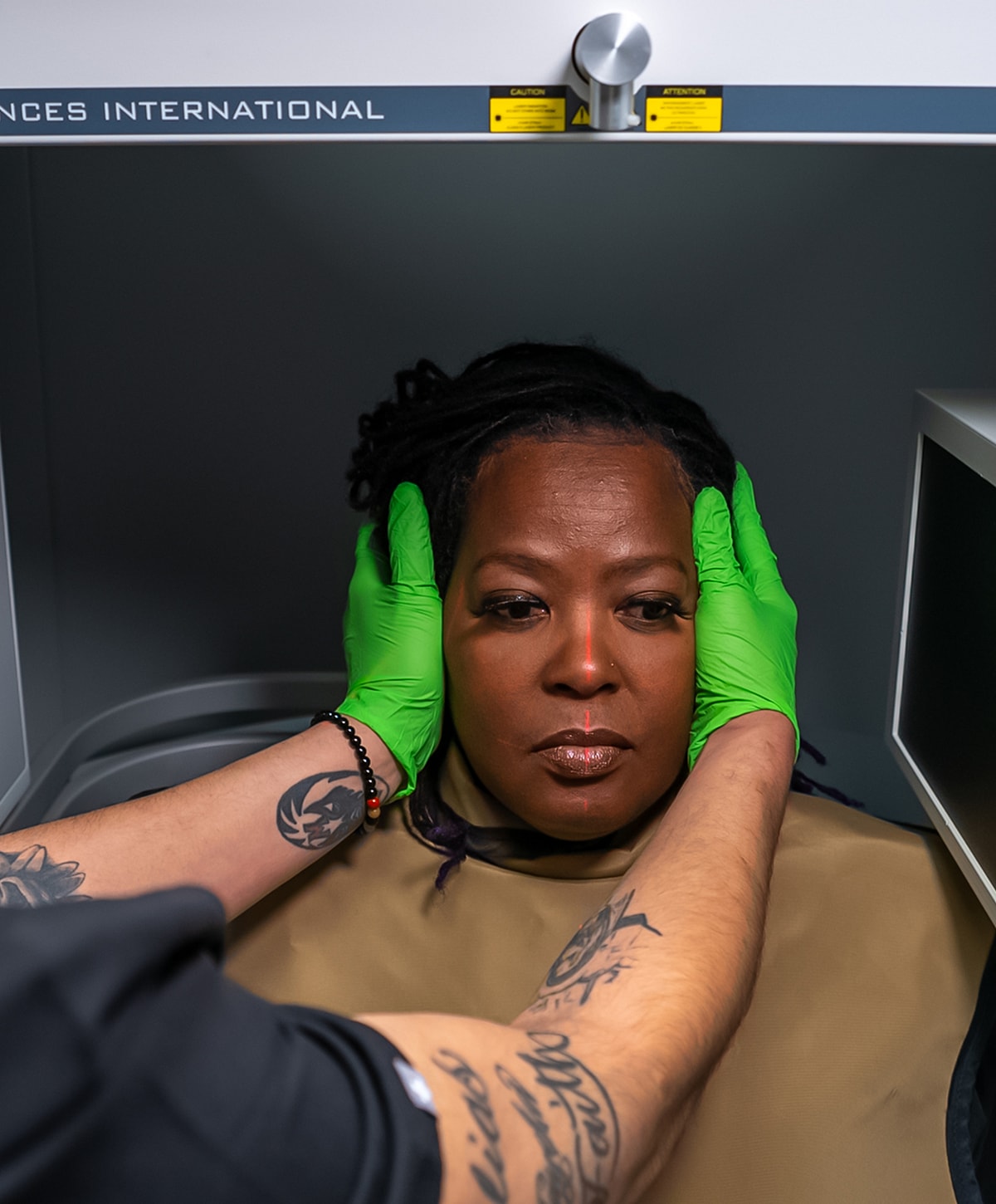
Standard two-dimensional dental X-rays only show flat outlines of your teeth, leaving vital anatomical details hidden from view. Our Cone Beam Computed Tomography (CBCT) scanner captures hundreds of high-resolution angles in seconds to build a complete, three-dimensional model of your jawbone density, tooth roots, nerve pathways, and sinus cavities. Using this 3D digital map, Dr. Atcha plans the exact angle and depth for dental implants before treatment begins, translating that blueprint into custom 3D surgical guides that make implant placement remarkably accurate and minimally invasive.

See Your Smile Before It Takes Shape
Messy, gag-inducing putty impression trays are a thing of the past at our practice. Using a sleek optical wand, our 3D intraoral scanner captures thousands of digital measurements per second to create an exact virtual replica of your teeth and bite in complete comfort. Dr. Atcha combines those scans with high-definition facial photography in our Digital Smile Design software, allowing you to preview how your new tooth proportions, alignment, and shade will harmonize with your features before any permanent changes are made.
The Difference of In-House Craftsmanship
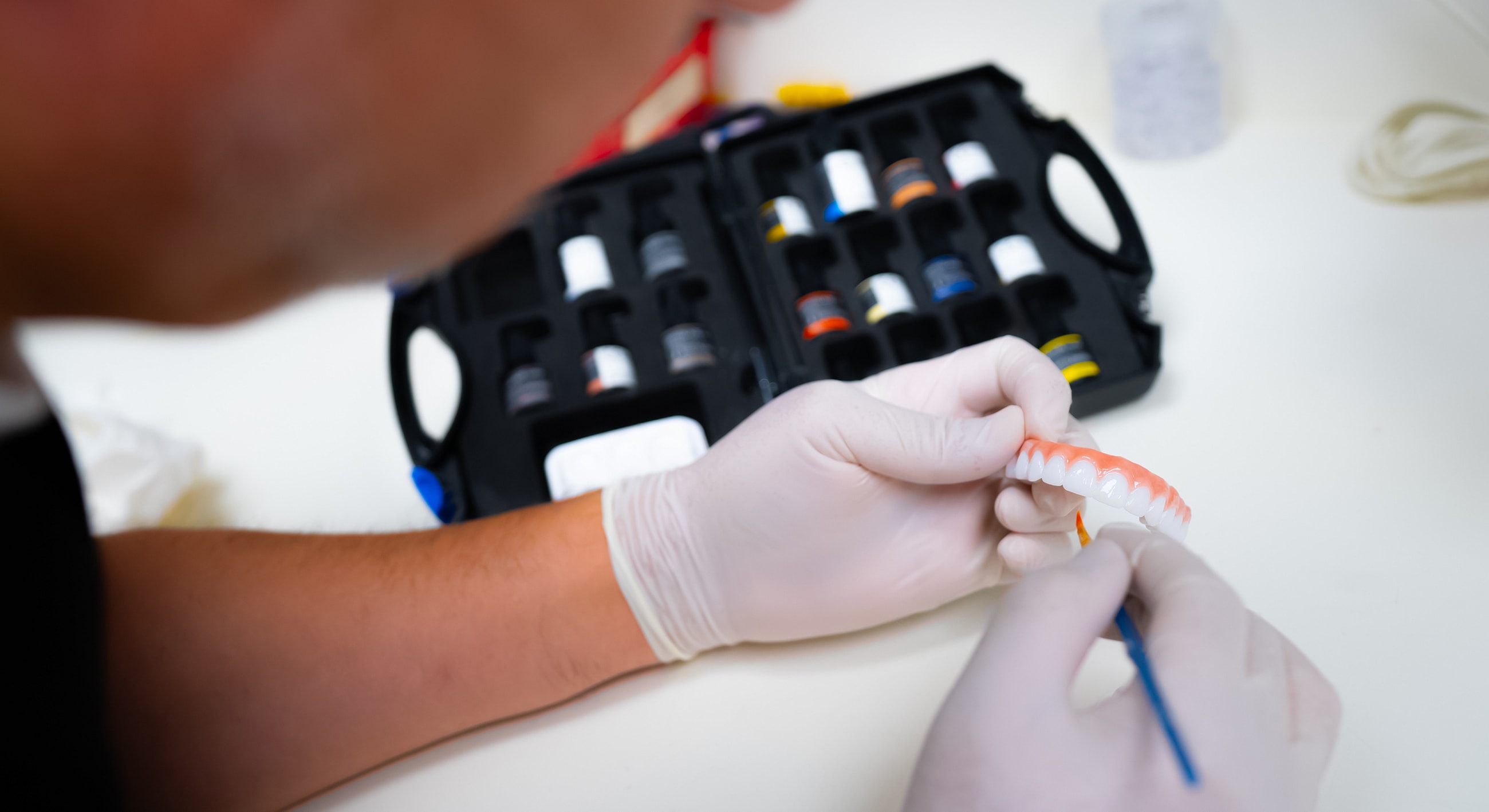
Most dental offices ship impressions to outside commercial labs, which leads to longer wait times for restorations and reduces direct communication between the dentist and technician. New Teeth Chicago Dental houses a full-service dental laboratory right inside our Chicago office, equipped with advanced CAD/CAM milling systems that carve custom zirconia bridges, ceramic crowns, and porcelain veneers from solid blocks of high-strength material. Our master ceramists work side by side with Dr. Atcha, letting us fine-tune the contour, surface texture, and natural translucency of your restorations in real time for a seamless fit.

Comfort With Confidence
For anxious patients or those undergoing full-arch implant procedures, our clinical suites are equipped with hospital-grade vital-sign monitoring technology that continuously tracks your heart rate, blood pressure, oxygen saturation, and breathing during oral conscious sedation or IV twilight sedation. This oversight lets Dr. Atcha and our anesthesia team adjust your comfort smoothly so you rest peacefully and wake up refreshed.
Where Innovation and Artistry Meet
Technology is only as impactful as the clinical artistry guiding it. By uniting 3D diagnostics, digital smile previews, sedation monitoring, and an in-house dental laboratory in one welcoming location, New Teeth Chicago Dental removes the stress and delays of fragmented care. Contact our Chicago office today to schedule your private consultation with Dr. Atcha and see firsthand how thoughtful innovation makes restoring your smile effortless.
For full mouth dental implants, technology helps your dental expert measure bone levels, plan implant positions, and evaluate your bite before treatment begins. 3D imaging and planning software are used to map out where each implant should go and how your new teeth will meet when you close your mouth. This planning supports stable chewing, balanced bite forces, and a smile that fits your facial features. It can also reduce guesswork during surgery and support long-term function.
Technology cannot remove all sensation, but it can support a smoother overall experience. Digital scans often replace traditional impressions, which many patients find more comfortable. Careful planning may shorten time in the chair and limit the need for extra visits. For patients with high dental fear, seeing clear images and understanding each step of the plan can also reduce stress. We will still use local anesthesia and, when appropriate, sedation options to help you feel as relaxed as possible during treatment.
Dental imaging and planning technology is held to high safety standards. We will only recommend tools that fit your health needs. Digital X-rays and 3D imaging use controlled, low levels of radiation, and our team evaluates your medical history before any imaging is taken. We will explain why we recommend a certain scan or tool and how it supports your treatment, so you can make an informed choice.
The cost of technology is usually built into the overall fee for your procedure. Pricing depends on the type of treatment, the number of teeth or implants involved, the materials used for your restorations, and the complexity of your case. Full-mouth dental implants or smile makeovers cost more than single-tooth treatments because they require more planning time and lab work. During your consultation, our team will review fees and available financing options so you can plan comfortably.
Zygomatic implants are considered when there is significant bone loss in the upper jaw, especially in patients who have worn dentures for years or have long-standing missing teeth. 3D imaging helps us assess bone quality and decide whether traditional implants, bone grafting, or zygomatic implants are likely to be the best option for you. We will talk you through the findings, possible approaches, and expected timelines before deciding how to move forward with treatment.



