

Published
7 minute read

Dental implants have revolutionized the field of dentistry, offering a durable and natural-looking solution for replacing missing teeth. At the heart of implant dentistry are crowns and bridges, essential components that not only restore dental function but also enhance aesthetics. In this blog, we delve into the intricacies of crowns and bridges in dental implants, exploring their roles, benefits, challenges, and future trends. Whether you’re considering dental implants for yourself or seeking to expand your knowledge in implant dentistry, this guide aims to shed light on the vital role that crowns and bridges play in bridging the gap between tooth loss and a confident, functional smile.
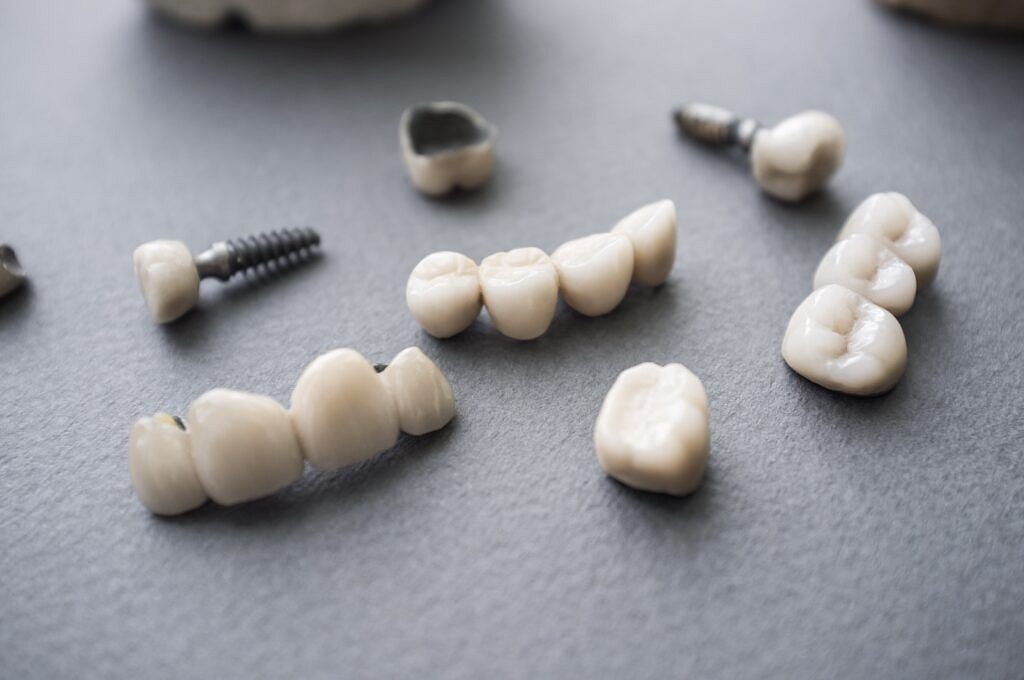
In the realm of implant dentistry, understanding the nuances of crowns and bridges is fundamental. These prosthetic devices serve as crucial components in restoring both the functionality and aesthetics of a patient’s smile.
The utilization of crowns and bridges in implant dentistry offers a myriad of benefits for patients:
By understanding the role and benefits of crowns and bridges in implant dentistry, patients can make informed decisions about their dental care and enjoy the benefits of a healthy, functional smile.
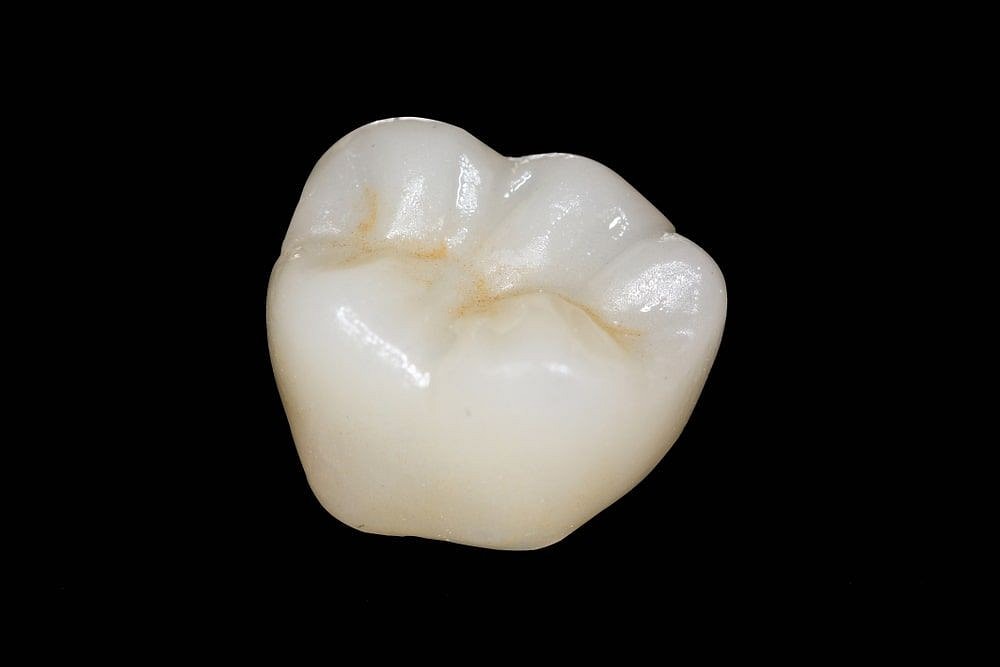
Crowns play a pivotal role in dental implants, serving as the visible, functional component that completes the restoration process. Understanding the specifics of crowns in implant dentistry is essential for both patients and dental professionals alike.
The primary purpose of crowns in dental implants is to mimic the natural appearance and function of a tooth. When a dental implant is placed and integrated into the jawbone, a crown is then attached to the implant abutment, creating a stable and aesthetically pleasing replacement tooth.
Various materials are utilized for crafting crowns in implant dentistry, each offering distinct advantages:
The process of placing crowns on dental implants involves several steps:
Proper maintenance and care are essential for ensuring the longevity of implant-supported crowns:
By understanding the role, materials, placement process, and maintenance tips for implant-supported crowns, patients can maintain optimal oral health and enjoy the benefits of a functional and natural-looking smile.
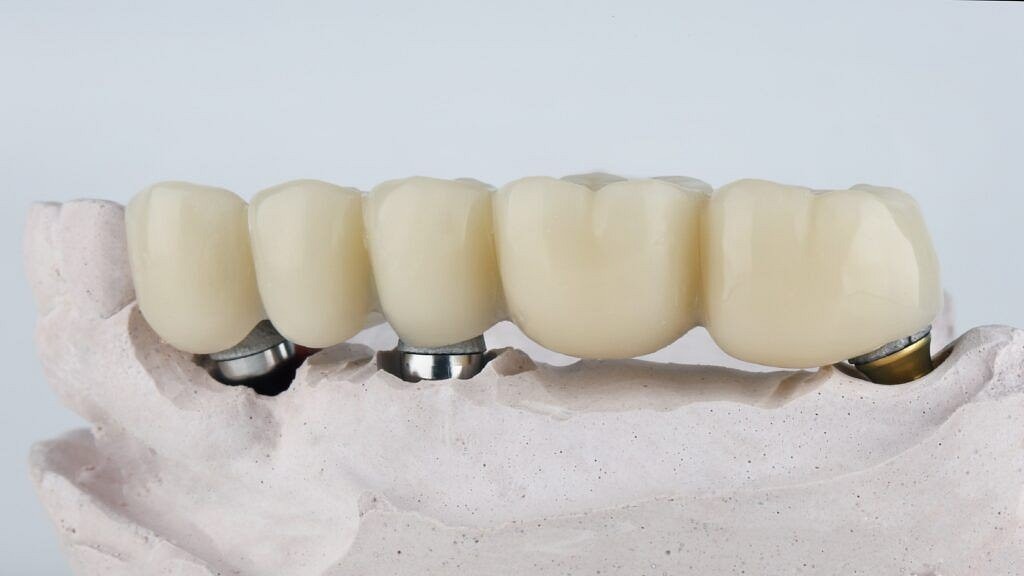
In the realm of implant dentistry, bridges play a crucial role in restoring multiple missing teeth and bridging the gap between adjacent natural teeth or dental implants. Understanding the role and types of bridges used in dental implants is essential for comprehensive patient care.
Bridges are utilized in implant dentistry to replace one or more missing teeth, providing functional and aesthetic benefits:
When considering bridges in implant dentistry, several factors should be taken into account:
By understanding the role, types, and considerations for bridge placement and maintenance in implant dentistry, patients can make informed decisions about their dental care and enjoy the benefits of a functional and aesthetically pleasing smile.
In implant dentistry, both crowns and bridges play vital roles in restoring dental function and aesthetics. Understanding the differences and considerations between crowns and bridges can help patients and dental professionals make informed decisions about treatment options.
Pros of Crowns | Cons of Crowns |
|---|---|
| Natural Appearance | Limited for Multiple Teeth Replacement |
| Individual Tooth Restoration | Maintenance Challenges |
| Preservation of Adjacent Teeth | |
Published
1 minute read
Pros of Bridges | Cons of Bridges |
|---|---|
| Multiple Teeth Replacement | Dependency on Adjacent Teeth or Implants |
| Stability and Durability | Maintenance Challenges |
Published
2 minute read
Several factors influence the choice between crowns and bridges in implant dentistry:
By comparing the pros and cons of using crowns and bridges in implant dentistry and considering the factors influencing the choice between the two options, patients and dental professionals can collaborate to determine the most appropriate treatment plan for achieving optimal oral health and aesthetics.
In conclusion, crowns and bridges play indispensable roles in the field of implant dentistry, offering patients effective solutions for restoring dental function and aesthetics. Crowns excel in individual tooth restoration, providing a natural appearance and preserving adjacent teeth. On the other hand, bridges are advantageous for replacing multiple missing teeth, offering stability and durability. Both options have their pros and cons, and the choice between crowns and bridges depends on factors such as the number of missing teeth, implant placement, and patient preferences. By understanding the benefits and considerations of crowns and bridges in implant dentistry, patients can work with their dental professionals to achieve optimal oral health and a confident smile.



