

Published
9 minute read

Dental health is not only about maintaining a healthy smile but also about enhancing the aesthetics and functionality of your teeth. Among the various dental treatments available, dental crowns, veneers, and implants stand out for their ability to restore and beautify teeth. Each of these treatments serves different purposes and is suitable for different dental conditions. This guide will help you understand what these treatments are, how they compare, and how to decide which one is right for you.
Dental crowns, often referred to as “caps,” are restorative devices used to cover or “cap” a damaged tooth, enhancing its shape, size, strength, and appearance. Crowns are custom-made to fit over the entire tooth, starting from the gum line, thereby restoring the tooth’s natural appearance and function. They are a versatile treatment option, offering both cosmetic and restorative benefits. Here’s an in-depth look at dental crowns, how they work, and when they are typically recommended by dentists.
The process of getting a dental crown typically involves a few key steps:
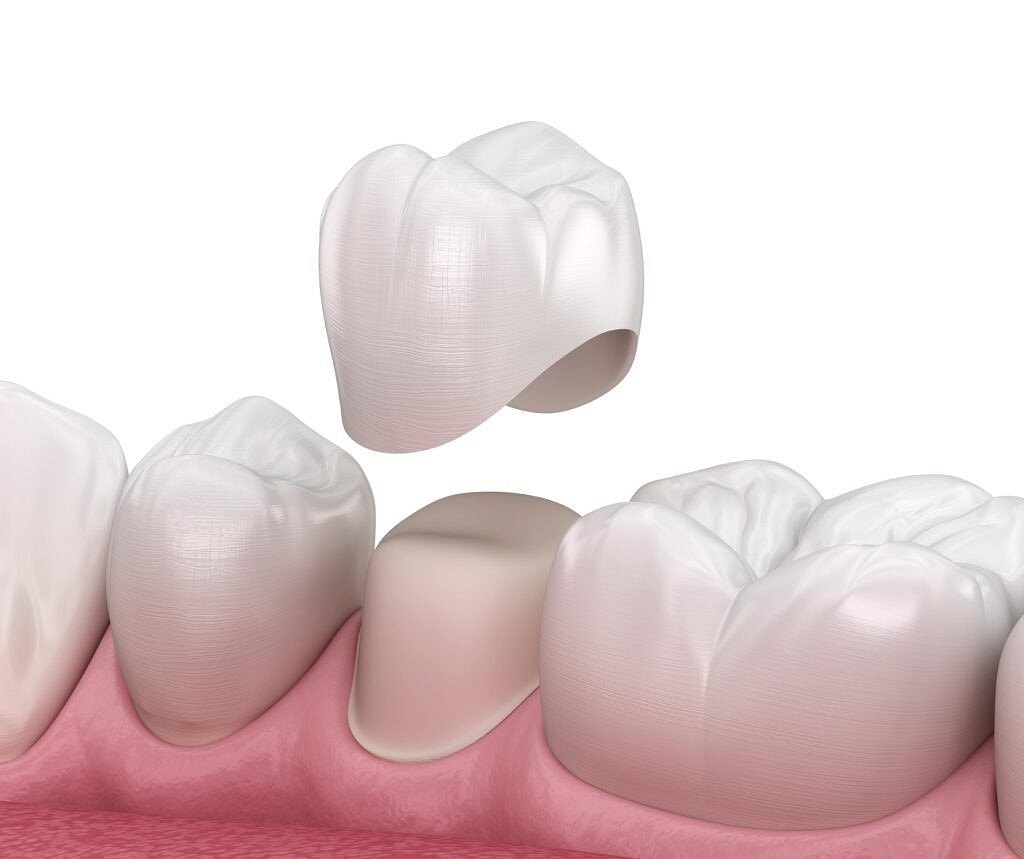
Dental crowns are recommended for a variety of situations, primarily to:
Crowns are made from various materials, including porcelain, ceramic, metal alloys, composite resin, or a combination of materials. Porcelain or ceramic crowns are popular for their natural color match, making them an excellent choice for front teeth, while metal alloys are typically used for their strength and durability on back teeth.
The decision to use a dental crown involves considering the condition of the tooth, aesthetic goals, and functional requirements. Your dentist will evaluate your specific situation to determine if a crown is the most appropriate treatment to meet your needs, ensuring that your smile is both healthy and beautiful.
Veneers are a highly popular cosmetic dental treatment that significantly enhance the appearance of your smile. They consist of very thin shells of tooth-colored materials, typically porcelain or composite resin, which are custom-made to fit over the front surface of your teeth. Veneers are renowned for their ability to mimic the natural appearance of enamel, offering an immediate transformation in the look of your smile. Here’s a detailed look at veneers, how they work, and when they are recommended by dentists.
Veneers work by covering the visible front surface of the teeth with a layer of custom-made, tooth-colored material. This process involves:
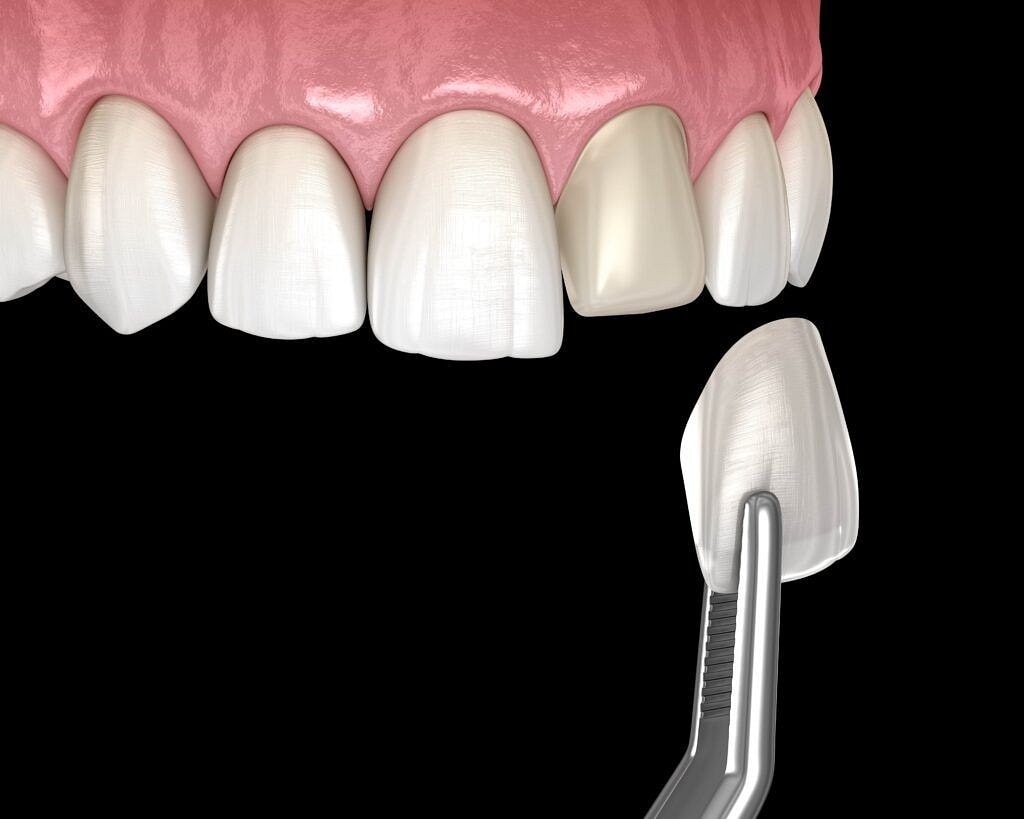
Dentists recommend veneers for various reasons, primarily aimed at improving the aesthetic appearance of your teeth. Some common situations include:
Veneers are a versatile and minimally invasive option for transforming your smile. They are especially suited for individuals looking for a durable and less intrusive alternative to crowns or braces for cosmetic purposes. However, not everyone is a candidate for veneers, as they require healthy teeth and gums for the best outcomes. Your dentist will evaluate your specific situation and discuss whether veneers are the most suitable option for achieving your desired results.
Dental implants are a state-of-the-art tooth replacement solution that offers a permanent foundation for fixed (permanent) or removable replacement teeth. Designed to mimic the structure of natural teeth, implants consist of two main components: a titanium post that serves as a substitute for the tooth root, and a crown that is attached to the top of the implant to replicate the visible part of the tooth. Dental implants are celebrated for their strength, durability, and the seamless way they integrate into the natural architecture of the mouth, making them an increasingly popular choice for individuals looking to restore their smile.
The process of getting dental implants involves several steps, typically carried out over a few months:
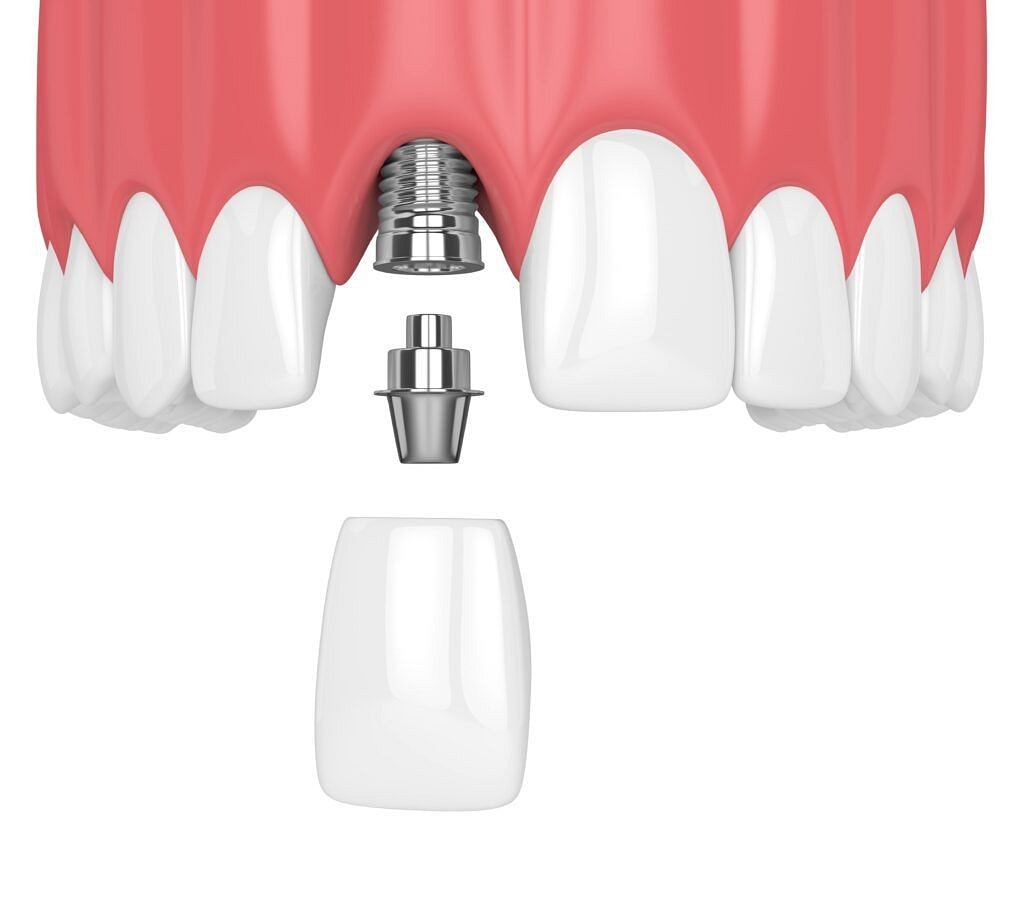
Dentists recommend dental implants for various reasons, including:
Ideal candidates for dental implants should have good general and oral health, adequate bone in the jaw to support the implant, and healthy gum tissues free of periodontal disease. Dental implants are especially useful for patients who find removable dentures unsatisfactory or uncomfortable. Due to the complexity and multiple stages involved in the procedure, a detailed consultation with a dental professional is essential to determine whether dental implants are the right choice for an individual’s specific needs.
Here’s a comparison table that outlines the key differences between crowns, veneers, and dental implants based on various aspects:
Aspect | Crowns | Veneers | Dental Implants |
|---|---|---|---|
| Primary Use | Restoring damaged or decayed teeth | Cosmetic improvement of the smile | Replacing missing teeth |
| Material | Porcelain, Ceramic, Metal, Composite Resin | Porcelain or Composite Resin | Titanium (implant), Various (crown) |
| Procedure Complexity | Moderate (2-3 visits) | Moderate (2-3 visits) | High (multiple stages over several months) |
| Durability | 5-15 years, with proper care | 7-15 years, with proper care | Over 25 years, with proper care |
| Aesthetic Improvement | High (especially porcelain/ceramic) | Very High (mimics natural tooth enamel) | High (crown can be made to match natural teeth) |
| Tooth Structure Removal | Significant (entire tooth surface) | Minimal (front surface of the tooth only) | None (replaces entire tooth) |
| Ideal For | Damaged, decayed, or severely worn teeth | Discolored, slightly misaligned, or gapped teeth | One or more missing teeth |
Published
2 minute read
This table provides a clear overview of how crowns, veneers, and dental implants compare across different dimensions, helping to guide individuals in choosing the right dental treatment based on their specific needs and conditions.
Choosing between dental crowns, veneers, and implants depends on several factors, including the condition of your teeth, your cosmetic goals, and your overall dental health. Here are some considerations to help you make an informed decision:
If you have damaged or weakened teeth, crowns might be the best option. For cosmetic improvements, veneers could be ideal. If you’re missing one or more teeth, implants are likely the best solution.
A dental professional can evaluate your oral health and recommend the most suitable treatment based on your specific condition and goals.
Think about the long-term care and maintenance each option requires. While implants are more durable and can last a lifetime with proper care, crowns and veneers also offer considerable longevity if maintained well.
Consider your budget and what your insurance covers. Dental implants tend to be more expensive, but they are a long-term investment in your oral health.
In conclusion, while dental crowns, veneers, and implants each offer unique benefits for enhancing and restoring your smile, the best choice depends on your individual dental needs, goals, and overall oral health. Crowns provide a robust solution for damaged or decayed teeth, offering protection and strength to the entire tooth structure. Veneers, on the other hand, are ideal for cosmetic improvements, offering a less invasive way to achieve a brighter, more uniform smile by addressing issues like discoloration, minor misalignments, and gaps. Dental implants represent a more comprehensive solution for missing teeth, preserving jawbone health and providing a stable, long-lasting foundation for replacement teeth. By consulting with a dental professional, you can determine which treatment aligns best with your specific situation, ensuring that you receive the most appropriate and effective care to achieve a healthy, confident smile.



