

Published
9 minute read

Dental implants are a popular and effective solution for replacing missing teeth, offering a durable and aesthetically pleasing option for many. However, for those suffering from bruxism—commonly known as teeth grinding—the presence of dental implants can introduce additional considerations. Bruxism can exert excessive pressure on teeth and implants, potentially leading to complications that can affect the longevity and success of dental implant treatments. Understanding the interplay between dental implants and bruxism is crucial for anyone considering implants or those who already have them. This blog explores what you need to know about dental implants, the impact of bruxism, and how to manage both to ensure the best outcomes for your dental health.
Dental implants are artificial tooth roots, typically made from titanium, which are surgically implanted into the jawbone. Over time, these implants fuse with the bone in a process known as osseointegration. Once this integration is successful, the implants provide a stable foundation for attaching crowns, bridges, or dentures that mimic the appearance and functionality of natural teeth.
There are primarily two types of dental implants:
The installation process involves several steps, starting with a dental examination and imaging to assess bone density and structure. The actual surgery is performed under local anesthesia, and healing time before final prosthetic placement can vary, typically from three to six months, allowing for proper integration with the bone.
Bruxism, often referred to as teeth grinding, is a condition where an individual unconsciously grinds, gnashes, or clenches their teeth. It can occur during the day or night, with nighttime teeth grinding known as sleep bruxism. The most common symptoms include:

While the exact cause of bruxism is not always clear, several factors may contribute to the condition:
If not properly managed, bruxism can lead to several long-term complications, including:
Understanding bruxism is essential for anyone who has or is considering dental implants. The excessive forces exerted by teeth grinding can compromise the integrity and longevity of implants. Recognizing the symptoms and addressing the causes early on can help mitigate the impact of bruxism on dental implants and overall oral health.
Dental implants, while robust and durable, can be affected by the constant pressure and strain from bruxism. Understanding the interaction between these two can help in taking preemptive steps to ensure the longevity of the implants. Here’s how bruxism can impact dental implants and what risks they might face under the stress of this condition.
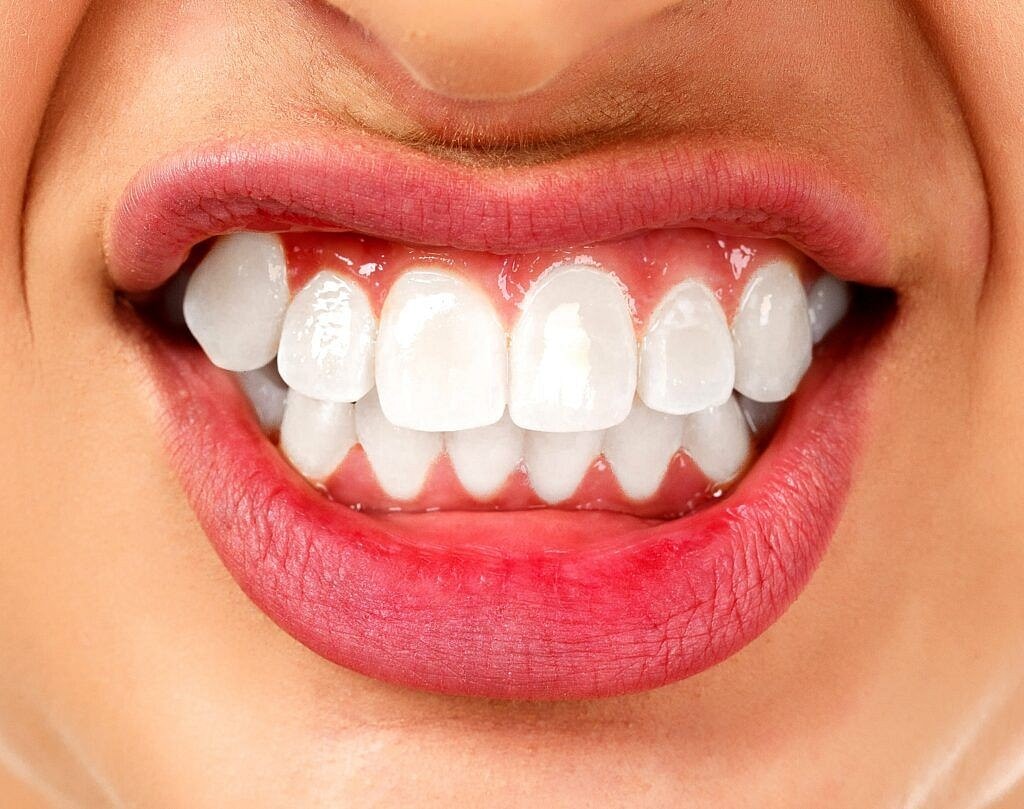
Bruxism generates significant mechanical stress on teeth and their supporting structures, including implants. For dental implants, this stress can interfere with the osseointegration process—the critical period when the jawbone grows around the implant to secure it firmly. Excessive forces from grinding or clenching can lead to micro-movements of the implant, disrupting this process and potentially leading to implant failure. Additionally, the constant grinding can also place undue stress on the implant crown, leading to wear or fracture over time.
The primary risk to dental implants from bruxism is the development of peri-implantitis, a condition similar to gum disease but affecting the tissues around the implants. This can cause inflammation, bone loss, and ultimately, the failure of the implant. Additionally, the excessive force can lead to:
It is crucial for dental professionals to assess and manage bruxism before undertaking the placement of dental implants. Patients known to grind their teeth might need to consider:
By addressing bruxism effectively, both before and after the placement of dental implants, patients and dental professionals can significantly enhance the success rate and longevity of the implants. This proactive approach ensures that the investment in dental implants yields the best possible outcomes, preserving both the function and aesthetics of the patient’s smile.
For individuals with dental implants who also experience bruxism, managing the grinding habit is essential to protect their dental investment. Effective management not only prevents damage to the implants but also ensures their longevity and functionality. Here are some strategies to effectively control bruxism and safeguard dental implants:
Taking proactive steps to minimize the impact of bruxism on dental implants is crucial:
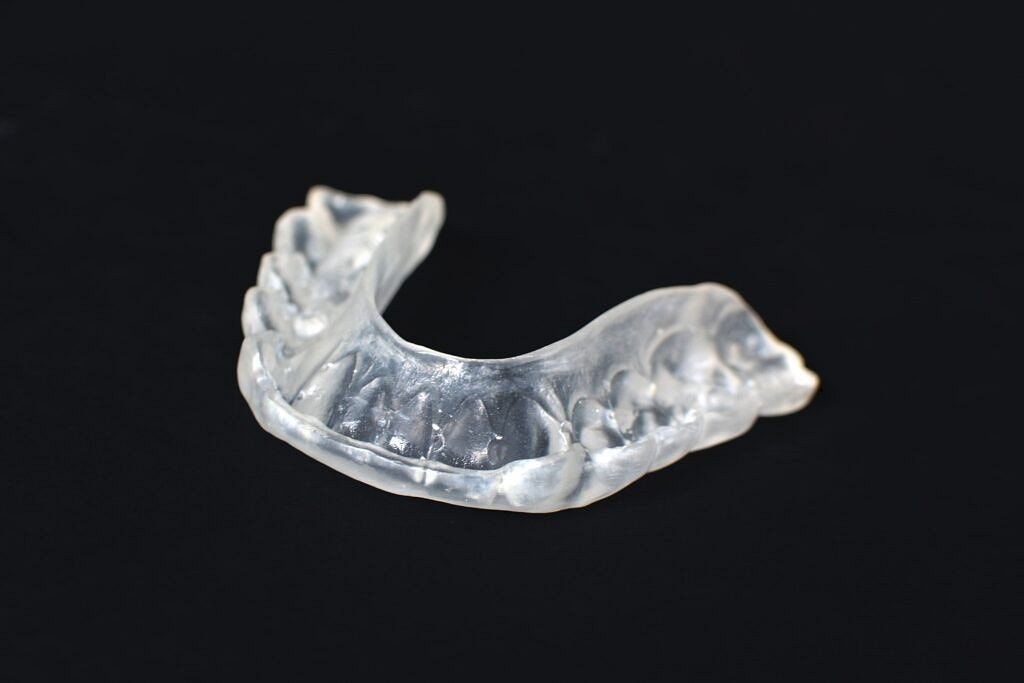
Addressing the root cause of bruxism can significantly reduce its frequency and severity:
Maintaining optimal oral hygiene and making specific adjustments in dental care are vital for implant care:
Incorporating these management strategies can help individuals with bruxism and dental implants manage their condition effectively. By reducing the risk of damage and addressing symptoms proactively, patients can maintain both the health and aesthetics of their implants, ensuring a confident and comfortable smile.
In conclusion, understanding the dynamic between dental implants and bruxism is crucial for anyone looking to maintain their dental health and protect their investment in implants. By recognizing the potential impacts of teeth grinding on implants, individuals can take proactive steps to manage bruxism effectively. With preventive measures such as using night guards, undergoing regular dental check-ups, and adopting stress reduction techniques, patients can significantly mitigate the risks associated with bruxism. Moreover, by staying vigilant about oral hygiene and seeking timely professional advice, those with dental implants can enjoy the full benefits of their treatment, ensuring lasting dental functionality and aesthetics. Ultimately, a comprehensive approach that includes both dental professionals and patient involvement is key to managing bruxism and maintaining the integrity of dental implants.



