

Published
12 minute read
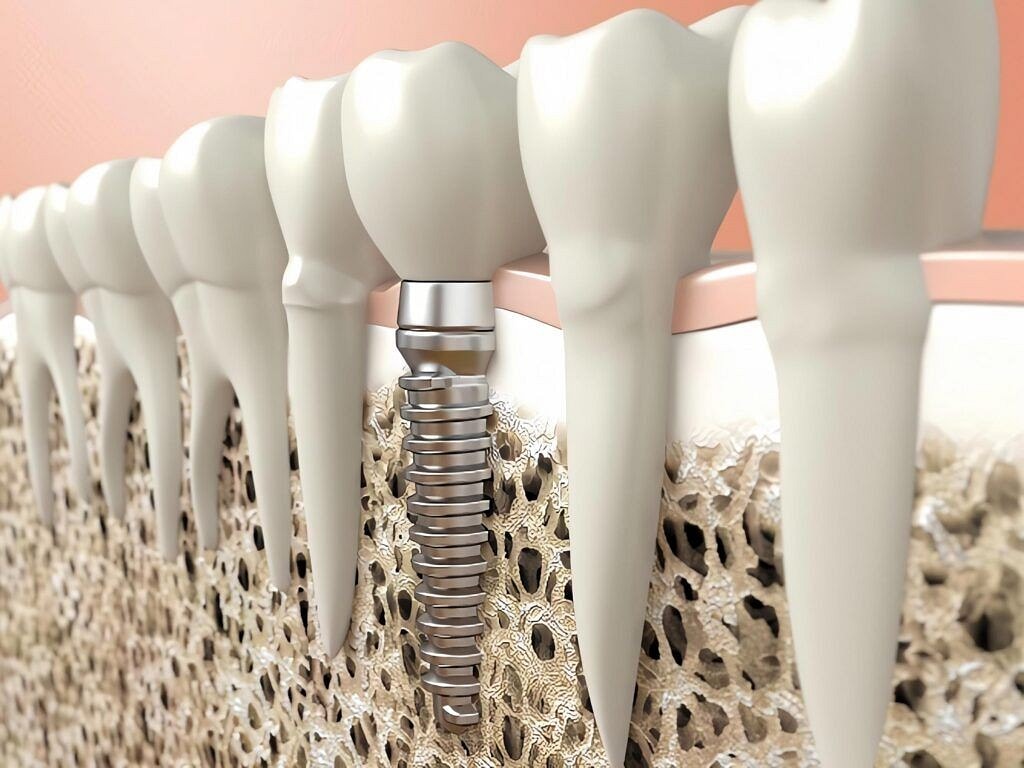
Dental implants have revolutionized the field of restorative dentistry, offering a durable and natural-looking solution for missing teeth. However, for individuals with osteoporosis, a condition characterized by weakened bones, the prospect of getting dental implants can raise several concerns. Osteoporosis affects bone density and strength, which are critical factors for the successful placement and longevity of dental implants. In this blog, we will explore the unique challenges and considerations for individuals with osteoporosis seeking dental implants. By understanding the necessary precautions and treatment options, patients can confidently embark on their dental implant journey, ensuring a healthier and more beautiful smile.
Osteoporosis is a medical condition characterized by a decrease in bone density and an increase in bone fragility, which makes bones more susceptible to fractures. This condition primarily affects older adults, particularly postmenopausal women, but it can also occur in men and younger individuals. Osteoporosis often develops silently over several years, with no symptoms until a fracture occurs. Common risk factors include aging, hormonal changes, family history, insufficient intake of calcium and vitamin D, sedentary lifestyle, and certain medications or medical conditions.
The impact of osteoporosis on bone health is significant, as it leads to the thinning and weakening of bones, making them porous and brittle. This reduced bone quality poses a challenge for dental implants, which rely on the jawbone’s strength and density to provide a stable foundation for the artificial teeth. In individuals with osteoporosis, the jawbone may not be as robust, raising concerns about the ability of the bone to integrate with and support the implants effectively.
Understanding osteoporosis is crucial for those considering dental implants because it allows for a more informed and tailored approach to treatment. With proper management of osteoporosis and collaboration between dental and medical professionals, it is possible to achieve successful dental implant outcomes even in the presence of this bone-weakening condition.
Bone health is a critical factor in the success of dental implants. Dental implants require a stable and healthy jawbone to anchor securely and support the artificial teeth. Osteoporosis, which causes bones to become less dense and more fragile, can present several challenges for those seeking dental implants.
Dental implants function by integrating with the jawbone through a process called osseointegration. This process ensures that the implant remains stable and can withstand the forces of chewing and biting. Healthy bone tissue is essential for osseointegration, providing the necessary support for the implant. In patients with osteoporosis, the compromised bone density can impede this process, leading to a higher risk of implant failure.
For patients with osteoporosis considering dental implants, a multidisciplinary approach is essential. Consulting with both your dentist and physician ensures that all aspects of your health are taken into account. Your physician can provide insights into your overall bone health and any medications you are taking, while your dentist can assess your jawbone’s suitability for implants and plan the procedure accordingly.
By working together, your healthcare providers can develop a comprehensive treatment plan that addresses the unique challenges posed by osteoporosis, ultimately increasing the likelihood of a successful dental implant outcome.
Proper assessment and planning are crucial steps in ensuring the success of dental implants for patients with osteoporosis. This involves a thorough evaluation by both dental and medical professionals to determine the best approach and to address any potential challenges posed by the condition.
Before proceeding with dental implants, a detailed evaluation of bone density is essential. This typically involves imaging tests such as dual-energy X-ray absorptiometry (DEXA) scans to measure bone mineral density. Dental imaging, including panoramic X-rays and CT scans, provides a clear view of the jawbone structure and identifies areas that may need special attention.
A thorough review of the patient’s medical history helps in understanding the extent of osteoporosis and any related health issues. It’s vital to assess all medications the patient is currently taking, especially bisphosphonates or other osteoporosis treatments, as they can influence bone healing and implant integration.
Effective communication and collaboration between the dental surgeon and the patient’s primary care physician or endocrinologist are essential. This ensures that all medical considerations are addressed, and a safe and effective treatment plan is developed. The dentist may need to adjust the treatment plan based on the physician’s recommendations regarding osteoporosis management.
In some cases, traditional dental implants may not be suitable for patients with severe osteoporosis. Alternative techniques, such as mini implants or zygomatic implants, might be considered as they require less bone density for placement. Bone grafting or augmentation procedures can be performed to enhance the jawbone structure before implant placement. This involves using bone graft materials to build up the deficient areas, providing a stronger foundation for the implants.
By conducting a comprehensive evaluation and collaborating closely with healthcare providers, dental professionals can develop a personalized treatment plan that accommodates the unique needs of patients with osteoporosis. This tailored approach helps to mitigate risks and enhances the chances of a successful dental implant outcome, allowing patients to enjoy the benefits of a restored smile with confidence.
For patients with osteoporosis, traditional dental implant procedures might require modifications or alternative approaches to ensure successful outcomes. Understanding the various treatment options and techniques available can help tailor the dental implant process to meet the specific needs of individuals with compromised bone health.
Mini implants are smaller in diameter compared to standard implants, requiring less bone density for placement. They are often used for securing dentures and can be a viable option for patients with osteoporosis due to their minimally invasive nature and reduced need for extensive bone support.
Zygomatic implants are longer and anchored in the cheekbone (zygomatic bone) rather than the jawbone. This technique is beneficial for patients with severe bone loss in the upper jaw, providing an alternative when traditional implants are not feasible.
Bone grafting involves adding bone or bone-like materials to the jawbone to create a solid foundation for implants. This procedure is often necessary for patients with significant bone loss due to osteoporosis. It helps to regenerate bone and improve the stability of the dental implants. There are different types of bone grafting techniques, including:
Advanced imaging and computer software are used to create a precise surgical plan for implant placement. This technology allows for accurate placement of implants in the optimal position, reducing the risk of complications and enhancing the stability of the implants, especially important for patients with osteoporosis.
PRP therapy involves using the patient’s own blood to promote healing and bone regeneration.
The concentrated platelets and growth factors in PRP can enhance the healing process and improve the integration of dental implants with the bone.
By utilizing these specialized treatment options and techniques, dental professionals can overcome the challenges posed by osteoporosis and provide patients with effective and lasting dental implant solutions. Tailoring the approach to the patient’s specific bone health needs ensures a higher success rate and helps patients achieve a functional and aesthetically pleasing smile.
Effective management of osteoporosis is crucial to ensure the success of dental implants. By maintaining optimal bone health, patients can enhance the stability and longevity of their implants.
Understanding the dental implant procedure and the special considerations for patients with osteoporosis can help alleviate concerns and prepare you for a successful outcome.
During the initial visit, your dentist will assess your oral health, review your medical history, and conduct necessary imaging tests to evaluate bone density and structure. A personalized treatment plan will be developed based on your specific needs and bone health status.
Depending on your bone density, your dentist may recommend bone grafting or other preparatory procedures to enhance bone support for the implants. Your dentist will discuss the type of anesthesia to be used and provide instructions for pre-surgery preparation.
The dental implant surgery involves placing the implant into the jawbone. For patients with osteoporosis, special techniques may be used to ensure optimal implant stability. The surgery is typically performed under local anesthesia, sedation, or general anesthesia, depending on the complexity and patient preference.
After the implant is placed, a healing period is necessary for osseointegration, where the implant fuses with the bone. This process may take several months. During this period, your dentist will provide instructions for care and maintenance to promote healing.
Once osseointegration is complete, an abutment is attached to the implant, and a custom-made crown is placed on top. The final restoration provides a natural-looking and functional replacement for the missing tooth.
By understanding the dental implant procedure and the specific considerations for managing osteoporosis, patients can approach the process with confidence. Proper preparation, effective management of osteoporosis, and collaboration with healthcare providers can significantly enhance the chances of a successful dental implant outcome, leading to improved oral health and quality of life.
Navigating the journey of getting dental implants with osteoporosis may present unique challenges, but with proper management and a comprehensive treatment plan, achieving a healthy and confident smile is entirely possible. Understanding osteoporosis, working closely with your healthcare providers, and utilizing advanced techniques and technologies can significantly enhance the success of dental implants. By taking proactive steps to maintain bone health and following a tailored approach, patients with osteoporosis can enjoy the benefits of stable, functional, and aesthetically pleasing dental implants. Embrace the opportunity to restore your smile and improve your quality of life with confidence, knowing that the right care and expertise can make all the difference.



