

Published
11 minute read
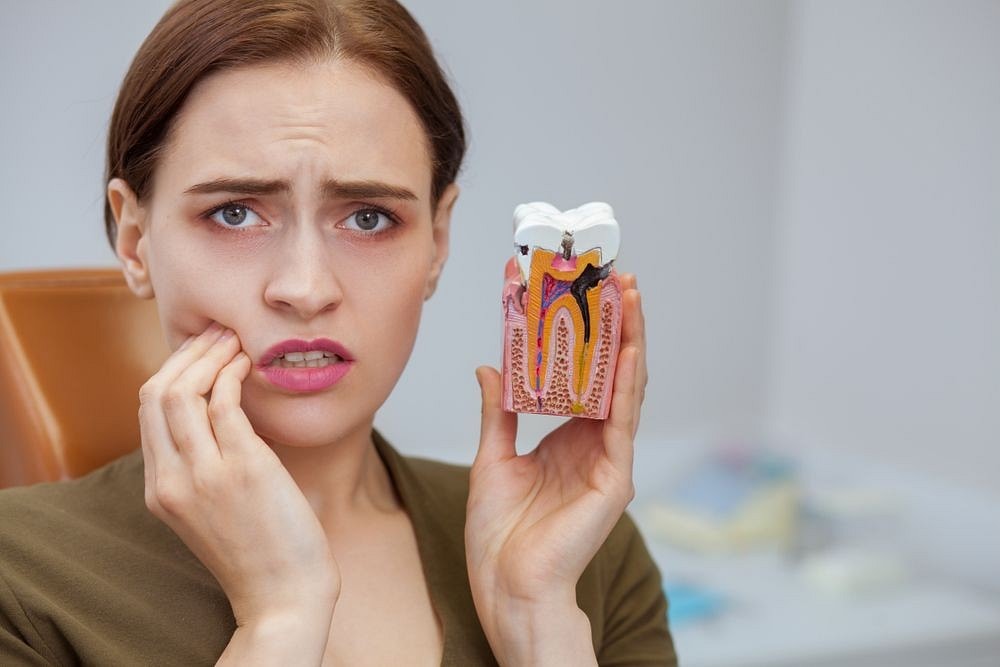
Dental implants are a reliable and long-lasting solution for replacing missing teeth, offering both aesthetic and functional benefits. However, like any medical procedure, they come with their own set of potential emergencies. Knowing how to respond promptly and effectively to a dental implant emergency can make a significant difference in preserving your oral health and ensuring the longevity of your implant. This blog aims to guide you through the essential steps to take during a dental implant emergency, helping you stay calm and informed when it matters most. From recognizing the signs of a problem to understanding the immediate actions to take and knowing when to seek professional help, this comprehensive guide will equip you with the knowledge you need to handle any dental implant emergency confidently.
Dental implant emergencies, while not exceedingly common, can occur and require prompt attention to prevent further complications. Understanding the different types of emergencies and their symptoms is crucial for timely and effective intervention.
Over time, dental implants should become firmly integrated into the jawbone. However, if an implant feels loose or wobbly, it may indicate a problem with osseointegration, bone loss, or mechanical issues with the implant components.
Infections around the implant site, known as peri-implantitis, can lead to severe inflammation and bone loss if not treated promptly. Symptoms might include redness, swelling, and discharge from the implant site.
Though made of durable materials, dental implants can sometimes fracture due to excessive force or trauma. This is a serious issue that requires immediate professional care.
This condition involves inflammation of the tissue around the implant, leading to bone loss and potential implant failure if untreated. It can be caused by poor oral hygiene, smoking, or systemic health issues.
Recognizing the early signs of a dental implant emergency can help you seek timely intervention. Key symptoms to watch for include:
Understanding these types and symptoms of dental implant emergencies can help you identify problems early and seek the necessary care to address them effectively.
Encountering a dental implant emergency can be alarming, but knowing the right steps to take can help you manage the situation effectively until you can see a dental professional. Here are the immediate actions you should consider:
The first and most crucial step is to remain calm. Panicking can exacerbate the situation and make it harder to take appropriate action. Carefully evaluate the nature and severity of the issue. Note any symptoms such as pain, swelling, bleeding, or implant mobility.
Refrain from using the side of your mouth with the implant for chewing. This helps prevent further damage and reduces pain. Do not touch or wiggle the implant with your fingers or tongue, as this can aggravate the situation.
Mix half a teaspoon of salt in a cup of warm water. Use this solution to gently rinse your mouth. Saltwater can help reduce bacteria and soothe inflamed tissues.
If you experience pain, consider taking over-the-counter pain relievers such as ibuprofen or acetaminophen. These can help manage discomfort until you can see your dentist. Always follow the recommended dosage instructions on the medication packaging.
Stick to a diet of soft foods that do not require much chewing. Avoid hard, crunchy, or sticky foods that could damage the implant or surrounding tissue. Consuming cold foods and beverages can also help reduce swelling and numb pain.
Call your dentist or oral surgeon as soon as possible to report the emergency. Many dental offices have emergency contact numbers or after-hours services. When you contact your dentist, be prepared to provide detailed information about your symptoms and the nature of the emergency. This will help them give you the best advice and arrange for prompt care if necessary.
By taking these immediate steps, you can help mitigate the damage and discomfort associated with a dental implant emergency, ensuring the best possible outcome when you receive professional care.
Recognizing when to seek professional help is crucial in managing dental implant emergencies. Timely intervention by a dental professional can prevent complications and ensure the longevity of your implant. Here are key scenarios that warrant immediate dental care:
Seeking professional help promptly in these situations can make a significant difference in resolving the emergency effectively and ensuring the continued health and stability of your dental implant.
While some dental implant emergencies may be unavoidable, many can be prevented with proper care and proactive measures. Implementing good oral hygiene practices, regular dental check-ups, and healthy habits can significantly reduce the risk of emergencies.
By incorporating these preventive measures into your daily routine, you can greatly reduce the likelihood of experiencing a dental implant emergency. Proper care and regular professional monitoring are key to ensuring the long-term success and health of your dental implants.
After experiencing a dental implant emergency and receiving professional care, it’s crucial to follow specific post-treatment guidelines to ensure proper healing and prevent future complications. Here’s what you need to know about post-emergency care and follow-up:
Post-emergency treatment typically provides immediate relief from pain and discomfort. However, some tenderness and swelling may persist for a few days. In some cases, temporary measures may be put in place until a permanent solution can be implemented. For example, a temporary crown or abutment may be used while a new one is fabricated.
Follow the prescribed medication regimen, including antibiotics, pain relievers, and anti-inflammatory drugs. Ensure you complete the entire course of antibiotics to prevent infection. Maintain excellent oral hygiene to support healing. Brush gently around the implant area, and use any prescribed antimicrobial mouthwash. Stick to a soft diet for a few days after treatment to avoid putting stress on the implant site. Gradually reintroduce harder foods as advised by your dentist. Avoid strenuous activities and heavy lifting for a few days to prevent increased blood flow and swelling around the implant site.
Attend all follow-up appointments as scheduled. These visits allow your dentist to monitor the healing process and make any necessary adjustments. Your dentist will check for signs of proper osseointegration, gum health, and overall implant stability during these appointments.
Continue to follow a thorough oral hygiene routine, including brushing, flossing, and using mouthwash. Consider using tools like interdental brushes or water flossers for optimal cleaning around implants. Avoid habits that can jeopardize the integrity of your dental implants, such as smoking, chewing on hard objects, and using teeth as tools. Maintain regular dental check-ups and professional cleanings. These visits are crucial for early detection of potential issues and ensuring the long-term health of your implants.
By adhering to these post-treatment care instructions and attending follow-up appointments, you can ensure a smooth recovery and long-term success of your dental implants. Proper maintenance and proactive measures are key to preventing future emergencies and maintaining a healthy, confident smile.
In conclusion, knowing how to handle dental implant emergencies is essential for preserving your oral health and the longevity of your implants. By understanding the types of emergencies, taking immediate steps to mitigate damage, and seeking professional help when necessary, you can effectively manage these situations. Preventative measures, such as maintaining good oral hygiene, regular dental check-ups, and avoiding harmful habits, play a crucial role in minimizing the risk of emergencies. Additionally, following post-emergency care instructions and attending follow-up appointments ensures proper healing and long-term success. With these guidelines, you can confidently navigate any dental implant emergency and maintain a healthy, beautiful smile.



