

Published
11 minute read
Maintaining a healthy smile is not limited to brushing twice a day. Oral health is influenced by everyday habits involving nutrition, hydration, sleep, stress, dental hygiene, and professional preventive care. When these habits become consistent routines, they can help reduce the risk of cavities, gum disease, tooth wear, bad breath, and other dental concerns that may eventually require restorative treatment.
For patients in Chicago, IL, learning how everyday choices affect the mouth can make preventive dental care easier to manage. New Teeth Chicago Dental Implants, led by Dr. Irfan Atcha, encourages patients to understand the connection between daily routines and long-term dental wellness. Although genetics, medical conditions, medications, and age can influence oral health, establishing healthy routines gives patients practical ways to protect their teeth and gums every day.
Brushing is one of the most important habits for maintaining oral health because it helps remove plaque from tooth surfaces. Plaque is a sticky film containing bacteria that continually develops on the teeth. When plaque is not removed effectively, bacteria can interact with sugars and carbohydrates from food to produce acids that contribute to enamel demineralization and cavities.
Most people should brush their teeth twice daily using fluoride toothpaste. Fluoride helps strengthen enamel and supports remineralization, which is the natural process of replacing minerals that have been lost from the tooth surface. Brushing for approximately two minutes gives enough time to clean the outer, inner, and chewing surfaces of the teeth rather than quickly passing over only the easiest areas to reach.
Technique matters as much as frequency. Aggressive brushing does not necessarily clean teeth more effectively and may contribute to gum irritation or enamel wear over time. A soft-bristled toothbrush and gentle pressure are generally appropriate. Patients should also remember to clean along the gumline, where plaque can accumulate and contribute to inflammation.
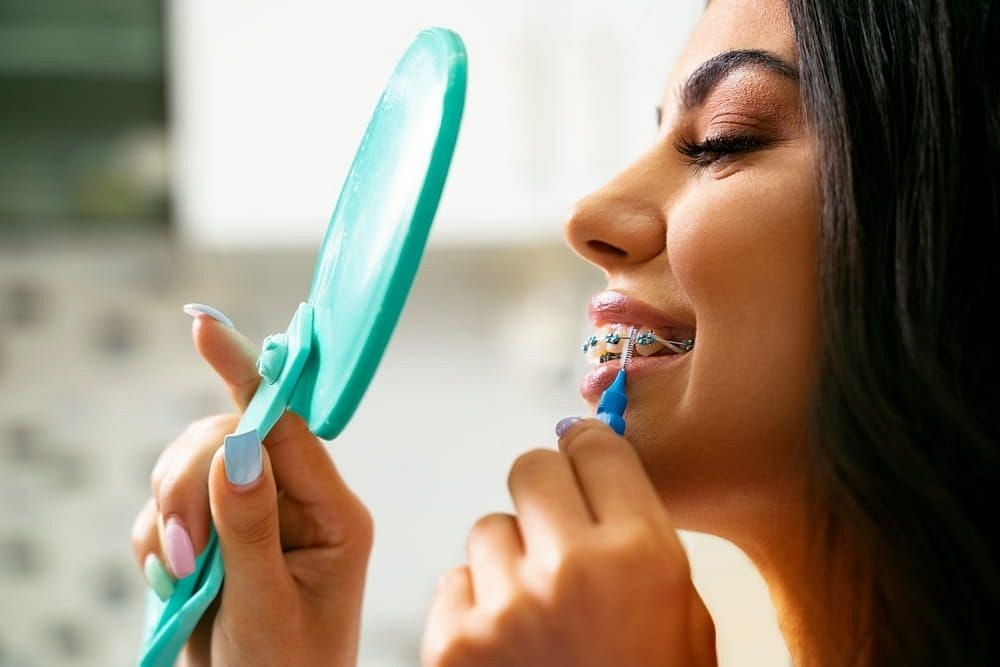
A toothbrush cannot effectively reach every surface of every tooth. The spaces between teeth can collect plaque and food debris, making interdental cleaning an important complement to brushing. Floss is one familiar option, although interdental brushes and other cleaning aids may be appropriate depending on the spacing and condition of a person’s teeth.
Cleaning between the teeth helps disrupt plaque before it hardens into calculus, commonly called tartar. Once tartar forms, regular brushing and flossing cannot completely remove it, and professional dental cleaning is generally necessary. Consistent interdental cleaning can also help protect the gums by reducing bacterial buildup in areas where gingivitis frequently begins.
Patients with crowns, bridges, implants, or other restorations may need specific techniques for cleaning around their dental work. For example, a crown or bridge may require careful cleaning around its margins or underneath a replacement tooth. Developing an appropriate cleaning routine can help support both the surrounding tissues and the longevity of the restoration.
Diet has a significant effect on oral health because bacteria in dental plaque use sugars and certain carbohydrates to produce acids. These acids can temporarily lower the pH inside the mouth and contribute to mineral loss from tooth enamel. Frequent snacking or sipping sugary beverages can repeatedly expose teeth to these acidic conditions.
Reducing the frequency of sugary foods and drinks can therefore be just as important as reducing the total amount consumed. Eating sweets with a regular meal rather than repeatedly throughout the day may limit the number of separate acid exposures. Nutrient-rich foods such as vegetables, fruits, dairy products, lean proteins, nuts, and whole grains can also contribute to a balanced diet that supports overall health.
Crunchy fruits and vegetables can stimulate saliva production, but they should not be considered substitutes for brushing and flossing. Similarly, foods containing calcium and phosphorus can contribute nutrients important for teeth, yet no individual food can prevent dental disease by itself. Oral health is best supported by a combination of nutritious eating patterns and consistent hygiene.
Drinking water throughout the day is a simple routine with several oral health benefits. Water helps rinse food particles and residue from the mouth, supports hydration, and contributes to normal saliva production. Fluoridated water can also provide additional exposure to fluoride, which helps protect tooth enamel against decay.
Water becomes particularly useful after eating when brushing is not immediately practical. Rinsing or drinking water can help clear some food debris and reduce the amount of residue remaining on tooth surfaces. It is especially beneficial when used instead of beverages containing added sugar.
Patients should be cautious about routinely sipping acidic beverages as well. Soda, sports drinks, energy drinks, citrus beverages, and some flavored waters can expose enamel to acids. Even beverages without added sugar may be acidic enough to contribute to enamel erosion when consumed frequently.
Saliva is one of the mouth’s natural protective mechanisms. It helps wash away food particles, neutralize acids, lubricate oral tissues, and supply minerals that support enamel remineralization. When saliva production is reduced, patients may be more susceptible to cavities, irritation, and difficulty swallowing or speaking comfortably.
Dry mouth can occur for many reasons, including dehydration and certain medications. Patients who regularly experience persistent dryness should mention it during dental and medical appointments rather than assuming it is simply an inconvenience. Identifying contributing factors can be important because chronic dry mouth may significantly affect oral health.
Simple routines such as drinking adequate water and limiting substances that worsen dryness may help some individuals. Sugar-free gum may also stimulate saliva in certain situations. Persistent dry mouth, however, deserves professional evaluation because management should address the underlying cause whenever possible.
Teeth are designed for biting and chewing food, but everyday habits can expose them to unnecessary forces. Chewing ice, biting fingernails, opening packages with the teeth, or repeatedly chewing hard objects can increase the likelihood of chips, cracks, and damage to dental restorations.
Minor damage may sometimes be repaired with treatments such as dental bonding, while more significant structural damage may require a crown or another restorative approach. Preventing unnecessary stress on teeth is generally much easier than repairing damage after it occurs.
Patients who participate in contact or collision sports should also consider appropriate mouth protection. A properly fitted mouthguard can help reduce the risk of dental injuries. Protecting teeth during recreational activities should become as routine as wearing other appropriate safety equipment.
Bruxism refers to grinding or clenching the teeth, which may occur while awake or during sleep. Some people are unaware that they grind their teeth until a dentist identifies characteristic wear patterns or they begin experiencing symptoms such as jaw soreness, headaches, tooth sensitivity, or damaged restorations.
Repeated grinding forces can gradually wear enamel, flatten tooth surfaces, create small fractures, and place additional stress on restorations. Severe tooth wear can eventually affect the way teeth fit together and may require restorative treatment. In extensive cases involving multiple damaged or missing teeth, treatment planning may include concepts associated with full mouth reconstruction.
Stress management, awareness of daytime clenching, and professional evaluation can all play roles in managing bruxism. Some patients may benefit from an oral appliance designed to protect the teeth during sleep, but recommendations should be individualized according to the cause and pattern of the problem.
Sleep and stress may not seem directly related to dental health, but both can influence everyday oral habits. People experiencing prolonged stress may clench their jaws, grind their teeth, snack more frequently, or neglect parts of their normal hygiene routine. Stress can therefore affect oral health indirectly through behavioral changes.
Maintaining a regular sleep schedule can support overall wellness and make consistent morning and evening hygiene routines easier to maintain. Brushing before bed is especially important because plaque and food residue should not remain on the teeth overnight unnecessarily.
Healthy stress-management habits can also reduce behaviors that may affect the teeth and jaw. Exercise, relaxation techniques, sufficient rest, and addressing sources of chronic stress can support general health while potentially reducing stress-related oral habits.
Restorative dental treatment does not eliminate the need for preventive care. Crowns, bridges, dentures, implants, and other restorations require ongoing maintenance because the surrounding teeth, gums, and supporting tissues remain vulnerable to plaque-related disease.
Dental implants, for example, cannot develop cavities, but the tissues around them can become inflamed if bacterial plaque accumulates. Patients with same-day dental implants, All-On-4 implants, or implant-supported dentures should follow individualized hygiene instructions for cleaning around their restorations.
Home care may involve specialized brushes, flossing techniques, interdental cleaners, or other tools depending on the restoration. Establishing these habits early can help patients maintain their investment in restorative treatment and support healthier tissues around replacement teeth.
Daily home care is essential, but it cannot completely replace professional dental evaluation. Routine dental visits allow a dentist and dental hygienist to examine areas that patients cannot easily assess themselves. Professional cleanings also remove hardened deposits that regular brushing and flossing cannot eliminate.
Dental examinations can help identify cavities, gum inflammation, damaged restorations, tooth wear, and other changes before they produce significant symptoms. Early identification can sometimes allow dental problems to be managed more conservatively. Waiting until a tooth hurts may mean that the underlying condition has already become more extensive.
The appropriate frequency of dental visits depends on individual needs. Some patients may require more frequent monitoring because of gum disease, extensive restorations, implants, dry mouth, a high cavity risk, or other factors. A personalized preventive schedule is therefore preferable to assuming that every patient requires exactly the same routine.
Healthy oral care routines should protect the gums as well as the teeth. Gum disease can begin when plaque accumulates along and underneath the gumline. Early inflammation, known as gingivitis, may cause redness, swelling, tenderness, or bleeding during brushing and flossing.
Bleeding gums should not automatically be considered normal. Although occasional irritation can occur, persistent bleeding may indicate inflammation that deserves professional evaluation. When gum disease progresses, it can affect the tissues and bone supporting the teeth.
Gentle brushing along the gumline, daily interdental cleaning, avoiding tobacco, and maintaining regular professional care can all support periodontal health. Patients with dental implants should pay particular attention to the tissues surrounding their implants because healthy gums and supporting bone are important for long-term stability.
The most effective oral health routine is one that can be maintained consistently. Complicated routines that are followed for only a few days are generally less useful than simple habits practiced every morning and evening. Keeping a toothbrush, fluoride toothpaste, and interdental cleaning supplies in convenient locations can make consistency easier.
It can also help to connect oral care with habits that are already established. Brushing after a regular morning activity or cleaning between the teeth before beginning a bedtime routine can create predictable cues. Families can use similar routines to help children understand that oral hygiene is a normal part of everyday health rather than something done only before dental appointments.
Patients should also adapt their routines when their oral health changes. New restorations, orthodontic appliances, implants, reduced dexterity, dry mouth, or changes in gum health may require different cleaning techniques. Asking a dental professional for personalized recommendations can help ensure that a routine remains effective as needs evolve.
Good oral health is largely supported by small decisions repeated consistently. Brushing with fluoride toothpaste, cleaning between teeth, drinking water, choosing nutritious foods, protecting teeth from unnecessary forces, managing dry mouth, and keeping regular dental appointments can collectively reduce the risk of many common dental problems.
For patients in Chicago, IL, healthy routines are especially valuable whether they currently have all of their natural teeth or have undergone restorative and implant treatment. New Teeth Chicago Dental Implants and Dr. Irfan Atcha emphasize the importance of understanding how everyday habits contribute to long-term dental wellness. By making preventive care part of a normal daily routine, patients can help preserve their teeth, protect existing restorations, and support a comfortable, functional smile for years to come.
American Dental Association. (n.d.). Brushing Your Teeth. MouthHealthy.
National Institute of Dental and Craniofacial Research. (n.d.). Oral Hygiene. National Institutes of Health.
Centers for Disease Control and Prevention. (2024). About Oral Health. U.S. Department of Health and Human Services.



