

Published
8 minute read
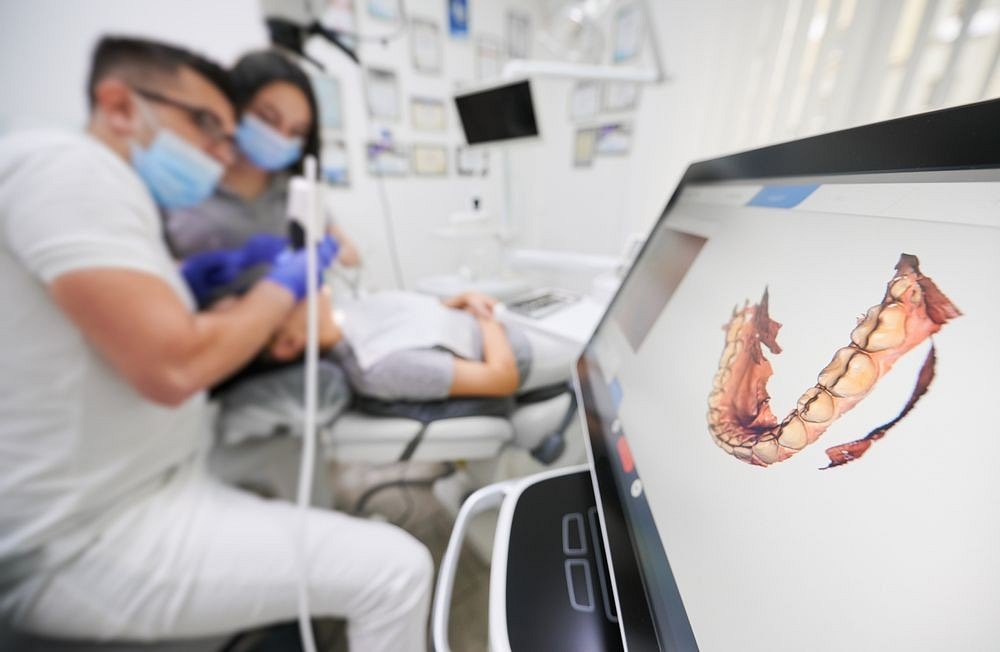
Dental implants have long been considered the gold standard for replacing missing teeth, but the way they are placed and restored has changed dramatically in recent years. Thanks to the rise of digital dentistry, implant procedures are now more precise, efficient, and patient-friendly than ever before. From advanced 3D imaging and intraoral scanning to CAD/CAM technology and 3D-printed surgical guides, digital tools are transforming every step of the process. This means patients can enjoy shorter treatment times, greater comfort, and more predictable results, making dental implants not only a reliable solution but also a smoother experience from start to finish.
Digital dentistry refers to the use of advanced digital technologies in diagnosing, planning, and performing dental procedures. Instead of relying solely on traditional tools like physical impressions, plaster models, and two-dimensional X-rays, dentists can now take advantage of innovative systems that provide highly detailed and accurate data. Some of the most common technologies in digital dentistry include:
By integrating these tools into the implant process, digital dentistry reduces guesswork, increases efficiency, and ensures a more comfortable and predictable experience for patients.
One of the biggest advantages of digital dentistry in implant treatment is the ability to capture highly detailed images of the mouth and jaw. Traditional two-dimensional X-rays offer limited insight, but digital imaging technologies provide a complete three-dimensional view, giving dentists the information they need to plan with accuracy and confidence.
By combining CBCT imaging with digital impressions, dentists can design a treatment plan that ensures implants are placed in the optimal position for both function and aesthetics. This level of detail also helps avoid complications, shortens surgical time, and improves the long-term success of dental implants.
CAD/CAM, short for computer-aided design and computer-aided manufacturing, has become a cornerstone of modern dental implant procedures. This technology allows dentists and dental labs to design and fabricate custom implant restorations with a level of precision that was once impossible using manual techniques. Here’s how it works:
By integrating CAD/CAM technology, dentists can streamline the implant process while giving patients restorations that are highly accurate, functional, and beautiful.
3D printing is one of the most exciting advancements in digital dentistry, and it’s playing a transformative role in dental implant procedures. With this technology, dentists can fabricate precise surgical guides and even temporary restorations quickly and efficiently.
A surgical guide is a custom-made device that directs the dentist’s handpiece during implant surgery. Using data from CBCT scans and digital impressions, a 3D printer produces a guide that shows the exact angle, depth, and position for each implant. This ensures unparalleled accuracy, reducing the risk of errors and improving long-term outcomes.
In addition to surgical guides, 3D printing can be used to create temporary crowns and bridges, allowing patients to leave the office with a functional and attractive smile while their permanent restorations are being crafted.
One of the biggest game-changers in implant dentistry is the integration of fully digital workflows. By linking together imaging, design, planning, and restoration technologies, dentists can streamline the entire treatment process from the very first consultation to the delivery of the final crown.
Digital workflows not only simplify the implant journey for dentists but also make the entire experience smoother and more reassuring for patients.
While digital dentistry brings incredible tools to the dentist’s side, the greatest impact is felt by patients. By replacing outdated methods with precise digital technologies, implant treatment has become more comfortable, efficient, and predictable than ever before. Key patient benefits include:
With these advantages, digital implant dentistry doesn’t just restore missing teeth, it also restores confidence, comfort, and quality of life.
As technology continues to evolve, the future of digital implant dentistry looks even more promising. The innovations we see today are just the beginning, and patients can expect treatments to become faster, more comfortable, and more predictable in the years ahead.
Ultimately, the goal of these innovations is to make implant dentistry more patient-friendly. From reducing treatment times to enhancing aesthetics and comfort, digital dentistry will continue to raise the standard of care and expand access to life-changing implant solutions.
Digital dentistry is transforming the way dental implants are planned, placed, and restored. From 3D imaging and CAD/CAM technology to 3D-printed surgical guides and fully digital workflows, today’s advancements make treatment more accurate, efficient, and comfortable than ever before. Patients not only benefit from shorter recovery times and fewer appointments but also enjoy predictable, long-lasting results that restore both function and confidence.
If you’ve been considering dental implants, now is the perfect time to experience the advantages of modern, digitally guided care. At New Teeth Chicago Dental Implants & Cosmetic Dentistry Center, Dr. Atcha combines advanced technology with expert skill to provide you with a seamless, patient-focused experience. Call us today to schedule your consultation and take the first step toward a healthier, more confident smile with the power of digital implant dentistry.



