

Published
6 minute read
If you’ve been told by your dentist that you need a dental crown, you’re probably wondering how long it will last. Dental crowns are used to cover and protect a damaged or decayed tooth. Although they can last for many years with proper care, there are several factors that can affect their lifespan. In this blog post, we will discuss how long dental crowns last and the factors that affect their lifespan. We will also discuss the difference between traditional and implant-supported dental crowns and how this affects their lifespan.
A dental crown, also sometimes referred to as a dental cap, is a type of dental restoration that covers and protects a damaged or decayed tooth. Crowns can also be used to improve the appearance of teeth that are misshapen, discolored, or otherwise cosmetically imperfect.
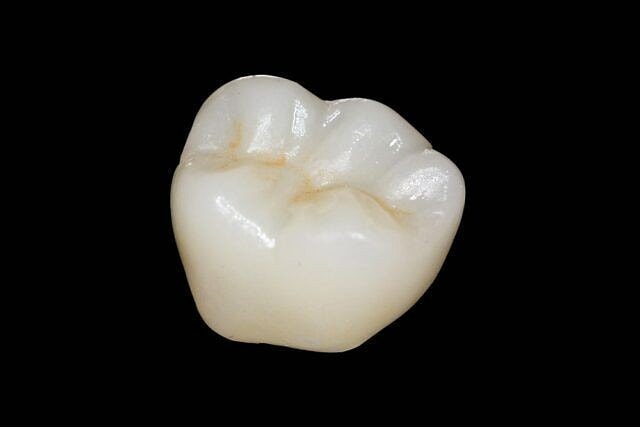
Dental crowns are made from a variety of materials, including:
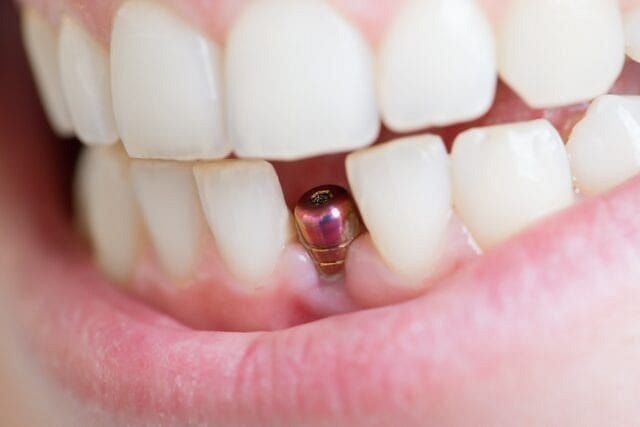
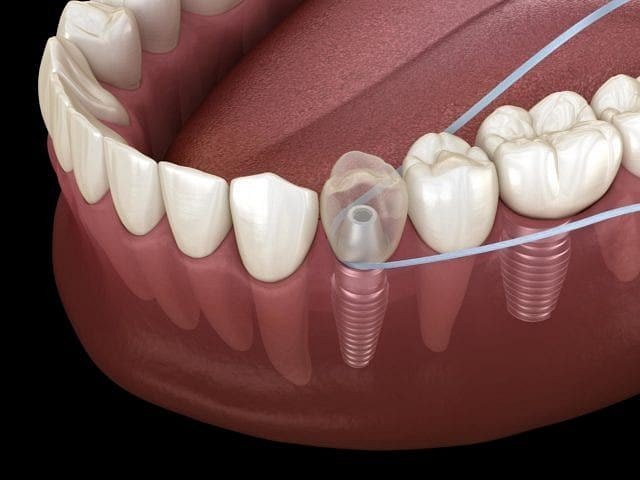
The main difference between a traditional dental crown and an implant-supported dental crown is that an implant-supported dental crown is attached to a metal post that is surgically implanted into the jawbone, while a traditional dental crown is placed over an existing tooth. Both traditional and implant-supported crowns tend to have a similar lifespan, however they are replaced differently.
Another main difference between a traditional crown and an implant-supported crown is the way that the restoration is replaced. If a traditional dental crown becomes loose or falls out, it can usually be re-cemented back into place, although additional modifications may need to be made to the natural tooth. If an implant-supported dental crown becomes loose or falls out, only the restoration will need to be removed and replaced. The implant itself remains intact and attached to the jawbone, so all that needs to be done is to cement a new crown in place.
There are several factors that can affect the lifespan of a dental crown, including:
The type of material used for your dental crown will affect its lifespan. For example, composite resin crowns do not last as long as other materials and are more likely to become damaged. Additionally, porcelain and ceramic crowns tend to be more fragile than metal or PFM crowns and are more likely to chip or break. While metal or PFM crowns are stronger, they can also expand or contract and cause damage to the tooth. Overall, every material has its own pros and cons that you should discuss with your dentist prior to having a crown placed.
Good oral hygiene is essential for the longevity of all dental restorations, including dental crowns. Generally speaking, people who practice good oral hygiene have longer-lasting restorations than those who do not. Be sure to brush twice a day and floss daily to remove plaque and bacteria from your teeth and gums.
Certain oral habits, such as clenching or grinding your teeth, can put unnecessary stress on your dental crown and cause it to break or come loose sooner than it normally would. If you have a habit of clenching or grinding your teeth, your dentist may recommend that you wear a mouth guard at night. Other destructive behaviors such as nail biting, chewing on ice, using your teeth as tools, or smoking can also increase the likelihood that your dental crown will wear down prematurely, fall out, and/or become damaged.
Finally, the location of your dental crown will also affect its lifespan. Crowns that are located in the back of the mouth are under more stress than those in the front and are therefore more likely to wear down faster or become damaged. If you have an uneven bite, you may also have certain teeth that are under more pressure than others, which can affect the lifespan of a dental crown.
With proper care, dental crowns can last for many years. The average lifespan of a dental crown is ten to fifteen years, however all the aforementioned factors can directly affect this estimate. While a crowned tooth does not require any special care, it does require that you care for it like you would a natural tooth.
There are several things you can do to care for your dental crown and prolong its lifespan:
In this blog post, we discussed how long dental crowns last and the factors that affect their lifespan. We also discussed the difference between traditional and implant-supported dental crowns and how this affects their lifespan. If you are considering getting a dental crown, be sure to discuss all of your options with your dentist. They will be able to help you decide which type of dental crown is right for you based on your individual needs. With proper care, dental crowns can last for many years. If you have any questions about dental crowns or would like to schedule an appointment, please contact our office today!



