

Published
4 minute read
According to the Centers for Disease Control and Prevention, around 34 million, or 14% of Americans currently smoke cigarettes. Although the amount of adults who smoke has dropped since the mid-2000s, there is still a large number of individuals who smoke on a regular basis. If you are one of these 34 million individuals, then you may be wondering if you can have dental implants placed to restore missing or severely damaged/decayed teeth in need of extraction.
While the short answer is that yes, people who smoke can have dental implants placed, it is not always that simple. In fact, there are several factors that you and your implant dentist will need to carefully consider before deciding that dental implant surgery is the right choice for you. You will also need to temporarily stop smoking while undergoing the process for the best treatment outcomes. This is because smoking does have an effect on dental implants. If you are a smoker considering having dental implants placed, here is what you need to know:
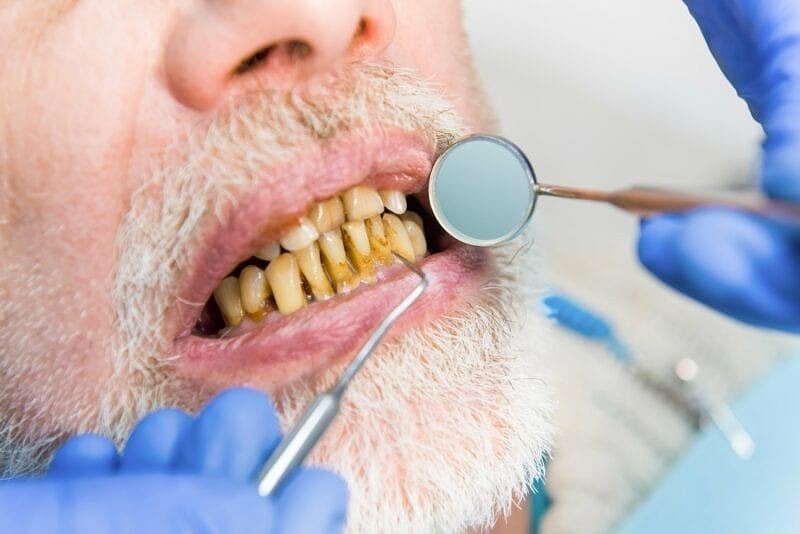
The best and most effective way to decrease the risks of dental implant surgery associated with smoking is to quit smoking. With that being said, there are also a few other things that can be done to decrease your risk and improve your chances of success. For starters, it is recommended to stop smoking the week before your procedure and to continue not smoking until at least two months after your implants have been placed. Additionally, brushing and/or using a water jet after smoking can help to minimize some of the damage. Finally, be sure to visit your implant dentist for regular cleanings and dental exams.
Before having dental implants placed, it is recommended to stop smoking for at least one week. Stopping one week before implant surgery allows your blood to flush out some of the nicotine found in the blood after smoking. This limits the short-term effects of nicotine on your blood, which can improve your chances of implant success. After having dental implants placed, it is recommended to avoid smoking for at least two months. This allows the tissues to more effectively heal and allows the early stages of osseointegration to occur.



