

Published
7 minute read
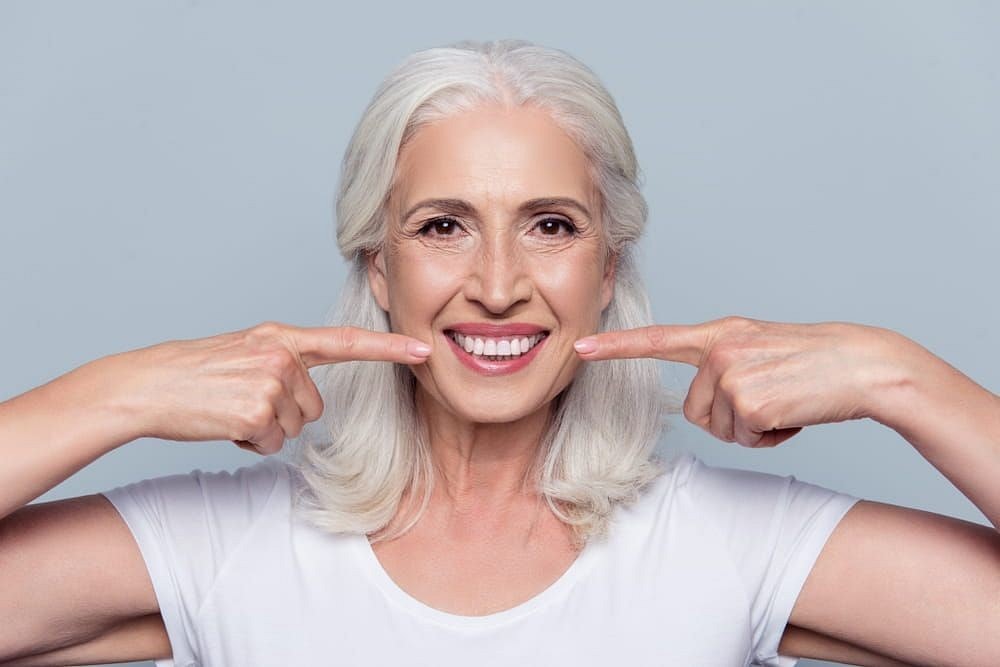
Aging gracefully is about more than appearance. It involves maintaining confidence, comfort, independence, and overall wellness through every stage of life. One of the most overlooked parts of healthy aging is oral health. Teeth and gums play an important role in eating, speaking, facial support, and social confidence. When these areas are cared for properly, they can help people stay active and engaged for years to come. For patients in Chicago, IL, learning how dental health supports aging can make a meaningful difference in quality of life.
New Teeth Chicago Dental Implants and Dr. Irfan Atcha understand that a strong smile is connected to daily function and self-esteem. Whether someone is preserving their natural teeth or exploring restorative options, the goal is often the same: to age with strength, comfort, and confidence. Modern dentistry offers more choices than ever before for maintaining a smile that looks natural and works well.
As people age, the mouth changes just like the rest of the body. Enamel can wear down over time, gums may recede, existing dental work may need replacement, and dry mouth can become more common. These changes do not mean dental problems are inevitable. With preventive care and timely treatment, many adults maintain excellent oral health well into later life.
The mouth is closely linked to the rest of the body. Difficulty chewing may lead some people to avoid healthy foods such as fruits, vegetables, nuts, and lean proteins. That can affect nutrition and energy levels. Chronic inflammation in the gums may also impact general wellness, making regular dental visits an important part of preventive healthcare.
A healthy smile also supports communication. Clear speech depends on the position of the teeth, tongue, and lips working together. Missing teeth or unstable dentures can make conversations frustrating or uncomfortable. Restoring oral function often improves confidence in professional settings, family gatherings, and everyday interactions.
Mental and emotional health matter too. Many adults feel younger and more self-assured when they are comfortable smiling. Feeling embarrassed about broken, stained, or missing teeth may cause people to withdraw socially. Addressing these concerns can improve confidence and encourage a more active lifestyle.
Strong smiles are usually built through consistent daily habits. Brushing twice a day with fluoride toothpaste helps remove plaque and reduce decay risk. Flossing or using interdental cleaners helps reach spaces between teeth where toothbrushes cannot. For patients with restorations such as bridges or implants, customized hygiene tools may be recommended.
Diet also plays a major role. Frequent sugary snacks and acidic drinks can wear down enamel and increase cavity risk. Choosing water, balanced meals, crunchy vegetables, dairy products, and other nutrient-rich foods supports teeth and gums. Staying hydrated is especially helpful for older adults who experience dry mouth.
Regular dental checkups remain essential even when the mouth feels fine. Many conditions begin silently, including cavities, gum disease, worn restorations, and oral tissue changes. Routine exams allow issues to be identified early, often leading to simpler treatment and better long-term outcomes.
Today’s dental treatments can help adults maintain function and appearance with greater comfort than many people expect. Small cosmetic concerns such as chips or uneven edges may sometimes be improved with Dental Bonding, which can restore a more polished look while preserving natural tooth structure.
When teeth are weakened or damaged, options such as Crowns and Bridges may help strengthen the bite and restore appearance. For cosmetic enhancements, some adults consider Veneers to create a brighter, more balanced smile. Treatment recommendations vary based on health, goals, and the condition of the teeth.
Comfort has improved significantly in modern dental care as well. Patients who feel nervous about treatment may benefit from learning about Sedation Dentistry Dentist options that can help reduce anxiety and make care more manageable. This can be especially valuable for adults returning to the dentist after many years.
Missing teeth can affect chewing, speech, and facial support. Over time, gaps may also contribute to shifting teeth and bone changes in the jaw. Replacing teeth is not only about appearance—it can help preserve function and oral stability as the years go on.
Dental implants are one of the most widely discussed long-term replacement options because they are designed to anchor within the jawbone and support restorations that feel secure. Some patients may qualify for Same-Day Dental Implants, while others with extensive tooth loss may explore solutions such as All-On-4 Implants or Implant Supported Dentures.
For complex cases involving significant bone loss, advanced options such as Zygomatic Implants Dentist may be considered. Some patients also prefer the stability and convenience of Fixed Dentures Dentist. The right solution depends on anatomy, goals, budget, and overall health.
A strong smile contributes to facial structure. Teeth help support the lips and cheeks, while healthy bone levels help maintain natural contours. When teeth are missing for long periods, the lower face can appear sunken or aged. Restoring teeth may help improve facial balance and support.
Wear and tear can also affect appearance over time. Flattened teeth, chips, discoloration, and uneven edges can create an older-looking smile. Conservative treatments may refresh the smile without dramatically changing a person’s natural features. Many adults prefer subtle improvements that look authentic rather than overdone.
Healthy gums matter just as much as healthy teeth. Gum recession and inflammation can expose roots, create sensitivity, and alter the smile line. Preventive cleanings, good home care, and early treatment of gum concerns can help maintain a healthier, more youthful appearance.
One of the best ways to age gracefully is to be proactive rather than reactive. Addressing small dental concerns early may prevent larger problems later. Replacing worn fillings, treating gum disease, protecting against grinding, and restoring missing teeth can all support long-term comfort and function.
It is also helpful to review medications and medical conditions with dental providers, since both can affect oral health. Dry mouth, changes in dexterity, and systemic conditions may require adjustments in home care routines or treatment planning. Personalized care becomes increasingly valuable with age.
There is no single age when someone should invest in their smile. Whether a person is in their forties, sixties, or beyond, improvements in oral health can still have a meaningful impact. Healthy aging is less about turning back time and more about protecting function, confidence, and wellness moving forward.
Aging gracefully does not require perfection. It means caring for yourself in ways that support long-term health and confidence. A strong smile can make meals easier, conversations more comfortable, and everyday moments more enjoyable. Even small steps taken today can create lasting benefits in the future.
For those exploring ways to maintain or rebuild their smile, New Teeth Chicago Dental Implants in Chicago, IL can be a valuable resource for understanding modern options. With guidance from Dr. Irfan Atcha and a personalized plan, many adults discover that it is never too late to strengthen their smile and move forward with confidence.
Petersen, P. E., & Yamamoto, T. (2005). Improving the Oral Health of Older People: The Approach of the WHO Global Oral Health Programme. Community Dentistry and Oral Epidemiology.
Griffin, S. O., Jones, J. A., Brunson, D., Griffin, P. M., & Bailey, W. D. (2012). Burden of Oral Disease Among Older Adults and Implications for Public Health Priorities. American Journal of Public Health.
Tonetti, M. S., Jepsen, S., Jin, L., & Otomo-Corgel, J. (2017). Impact of the Global Burden of Periodontal Diseases on Health, Nutrition and Well-Being of Mankind. Journal of Clinical Periodontology.



