

Published
11 minute read
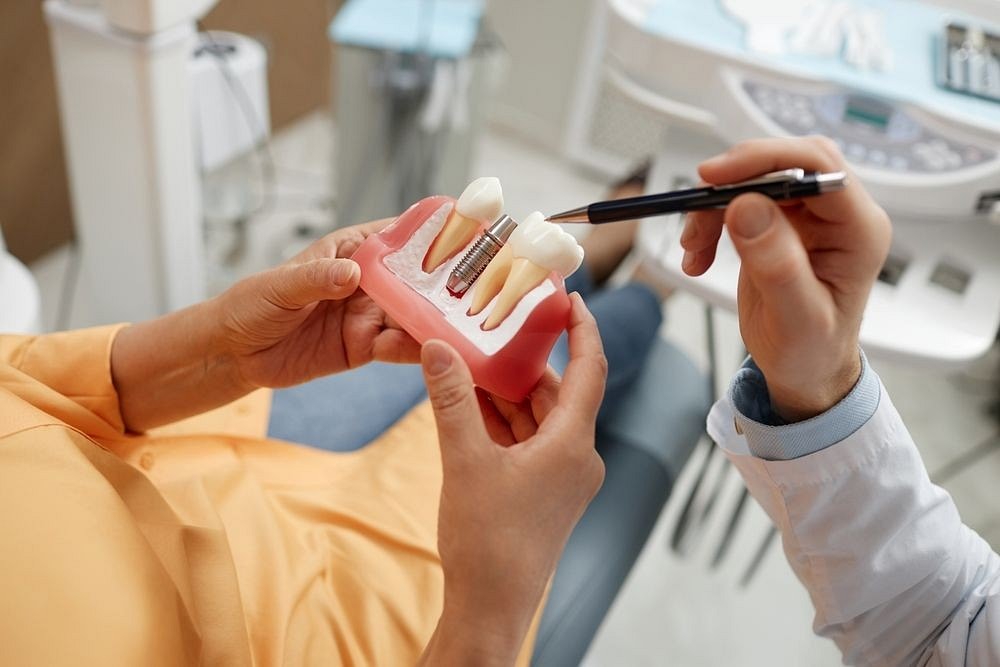
Dental implants have revolutionized the field of restorative dentistry, offering a durable and natural-looking solution for missing teeth. However, the success of dental implants hinges on meticulous preparation, ensuring a stable and healthy foundation for the implant. This preparation often involves pre-prosthetic surgery, a critical step that enhances the jawbone and surrounding tissues to support the implant effectively. Understanding the importance of these preparatory procedures can significantly impact the long-term success and functionality of your dental implants. In this blog, we will explore the various types of pre-prosthetic surgery and how they pave the way for a successful dental implant journey.
Pre-prosthetic surgery refers to the preparatory procedures performed to optimize the oral environment for dental implants. These surgeries are essential for creating a stable and healthy foundation in the jawbone and surrounding tissues, ensuring that the implants can be securely placed and function effectively. The primary goal of pre-prosthetic surgery is to address any deficiencies in bone density, volume, or soft tissue quality that could compromise the success of the dental implant. By enhancing the structural integrity and health of the implant site, these procedures significantly improve the chances of achieving a long-lasting and successful dental restoration.
Bone grafting is a common pre-prosthetic procedure that involves augmenting the jawbone to provide adequate support for dental implants. This surgery is particularly necessary for patients who have experienced bone loss due to tooth extraction, periodontal disease, or trauma. There are several types of bone grafts:
A sinus lift, or sinus augmentation, is performed when there is insufficient bone height in the upper jaw, particularly in the molar and premolar areas, due to the proximity of the sinus cavity. This procedure involves lifting the sinus membrane and placing a bone graft to increase the bone height, creating enough space for the dental implant. The new bone integrates with the existing bone over time, providing a solid foundation for the implant.
Ridge augmentation is used to correct deformities in the jawbone that result in an inadequate bone ridge for dental implants. This procedure can involve bone grafting to rebuild the height and width of the alveolar ridge, the bony ridge where the teeth are anchored. By restoring the ridge to its natural dimensions, ridge augmentation ensures that there is sufficient bone to support the implant and achieve a natural appearance.
Soft tissue grafting enhances the gum tissue around the implant site, improving both aesthetics and function. This procedure is often necessary for patients with thin or receding gums, which can expose the implant and affect its stability. Various techniques are used, including:
These pre-prosthetic surgeries are essential for ensuring that the implant site is robust and healthy, significantly enhancing the likelihood of a successful dental implant outcome.
Pre-prosthetic surgery is essential for individuals who lack the necessary bone density, volume, or soft tissue quality to support dental implants. Several factors can contribute to these deficiencies, making pre-prosthetic surgery a crucial step for certain patients:
Before dental implant placement, it’s vital to evaluate the jawbone’s density and volume. Bone loss can occur due to various reasons, such as prolonged tooth loss, periodontal disease, trauma, or congenital defects. Patients with insufficient bone structure are prime candidates for pre-prosthetic surgery, as these procedures help rebuild and reinforce the jawbone, ensuring it can adequately support the implant.
Patients who have experienced significant bone loss or gum recession may require pre-prosthetic surgery. Bone grafting, sinus lifts, ridge augmentation, and soft tissue grafting are tailored to address these deficiencies, creating a more stable and healthy environment for the implant. These surgeries are particularly important for individuals who have had missing teeth for an extended period, as the jawbone tends to resorb over time without the stimulation of natural tooth roots.
A comprehensive evaluation of the patient’s oral health and medical history is crucial in determining the need for pre-prosthetic surgery. Factors such as chronic periodontal disease, previous dental infections, and certain medical conditions (e.g., diabetes, osteoporosis) can impact the quality of the bone and soft tissues. Additionally, lifestyle habits like smoking can adversely affect the healing process and the success of dental implants. Therefore, patients with compromised oral or general health may benefit significantly from pre-prosthetic procedures to enhance the implant site’s readiness and ensure a successful outcome.
By carefully assessing these factors, dental professionals can identify patients who would benefit from pre-prosthetic surgery, tailoring their treatment plans to address specific needs and optimize the conditions for dental implant success.
A thorough dental examination is the first step in the pre-surgery evaluation process. This includes a detailed assessment of the patient’s oral health, identifying any existing conditions that may affect the success of the dental implant. The examination typically involves a visual inspection, palpation of the gums, and checking for signs of infection or disease.
Imaging techniques play a crucial role in evaluating the jawbone and surrounding structures. X-rays provide an initial view of the bone density and any underlying issues. For a more detailed assessment, a CT scan (computed tomography) is often used, offering three-dimensional images that allow for precise measurement of bone volume and identification of anatomical structures. These images help the dental surgeon plan the exact location and depth for implant placement, ensuring optimal results.
Based on the findings from the dental examination and imaging techniques, a personalized treatment plan is developed. This plan outlines the specific pre-prosthetic procedures required, the sequence of surgeries, and the expected timeline for healing and implant placement. The treatment plan is tailored to address the unique needs of each patient, ensuring that all potential challenges are considered and managed effectively.
Pre-prosthetic surgeries are typically performed in stages, depending on the specific needs of the patient. Here’s a general overview of the process:
During the surgery, patients can expect minimal discomfort due to anesthesia. The procedure length varies depending on the complexity and extent of the grafting. Post-surgery, patients might experience swelling, bruising, and mild pain, which can be managed with prescribed medications. Detailed post-operative instructions are provided to ensure proper care and recovery.
Pain management is an integral part of the pre-prosthetic surgery process. Over-the-counter pain relievers, prescription medications, and anti-inflammatory drugs are commonly used to manage post-operative discomfort. Sedation options, such as oral sedatives, intravenous (IV) sedation, and general anesthesia, are available to ensure a pain-free and comfortable experience during the surgery.
Proper post-surgery care is essential for a smooth recovery. Patients are advised to follow specific instructions, including:
The healing timeline varies depending on the type of pre-prosthetic surgery performed and the individual patient’s healing capacity. Generally, bone grafting and soft tissue grafting procedures require several weeks to months for complete healing and integration with the natural bone or tissue. Regular follow-up appointments are necessary to monitor the healing progress and make any necessary adjustments.
Successful recovery is indicated by reduced swelling, absence of pain, and the gradual integration of the graft with the existing bone or tissue. Patients should look out for signs of complications, such as persistent pain, excessive swelling, infection, or graft rejection. Any unusual symptoms should be reported to the dental surgeon immediately for prompt evaluation and treatment.
By following these recovery guidelines and maintaining regular follow-up appointments, patients can ensure a successful outcome, paving the way for the subsequent placement of dental implants and achieving optimal oral health.
The timeline for placing dental implants after pre-prosthetic surgery varies depending on the type of surgery performed and the individual’s healing response. Generally, bone grafting procedures require several months for the grafted material to fully integrate with the natural bone, creating a solid foundation for the implant. This process, known as osseointegration, can take anywhere from three to six months. Soft tissue grafts typically heal more quickly, often within a few weeks. Your dental surgeon will provide a personalized timeline based on your specific case, ensuring that the implant is placed at the optimal time for the best possible outcome.
Regular follow-up appointments are crucial during the healing period to monitor progress and address any concerns promptly. During these visits, your dental surgeon will assess the integration of the graft, check for any signs of complications, and ensure that the healing process is on track. Imaging studies, such as X-rays or CT scans, may be used to evaluate the success of the graft and the readiness of the site for implant placement. These appointments provide an opportunity to adjust the treatment plan if necessary, ensuring that you are fully prepared for the next stage of the implant process.
Maintaining excellent oral hygiene is essential during the healing period to prevent infections and ensure the success of the pre-prosthetic surgery and subsequent implant placement. Patients are advised to follow these guidelines:
By adhering to these recommendations and attending all follow-up appointments, patients can optimize their oral health and ensure a successful transition to the final stage of their dental implant journey. Preparing adequately after pre-prosthetic surgery is key to achieving long-lasting and functional dental implants.
Pre-prosthetic surgery plays a vital role in ensuring the success of dental implants by creating a strong and healthy foundation. Through procedures like bone grafting, sinus lifts, ridge augmentation, and soft tissue grafting, dental professionals can address deficiencies that may otherwise compromise implant stability. Proper evaluation, meticulous surgical techniques, and diligent post-operative care are essential components of this preparatory phase. By understanding the importance of pre-prosthetic surgery and following the recommended guidelines, patients can significantly enhance their chances of achieving long-lasting and effective dental implants. If you’re considering dental implants, consult with your local dental implant specialist to discuss whether pre-prosthetic surgery is right for you and to develop a personalized treatment plan tailored to your specific needs. Your journey to a healthier, more confident smile begins with the right preparation.



