

Published
7 minute read
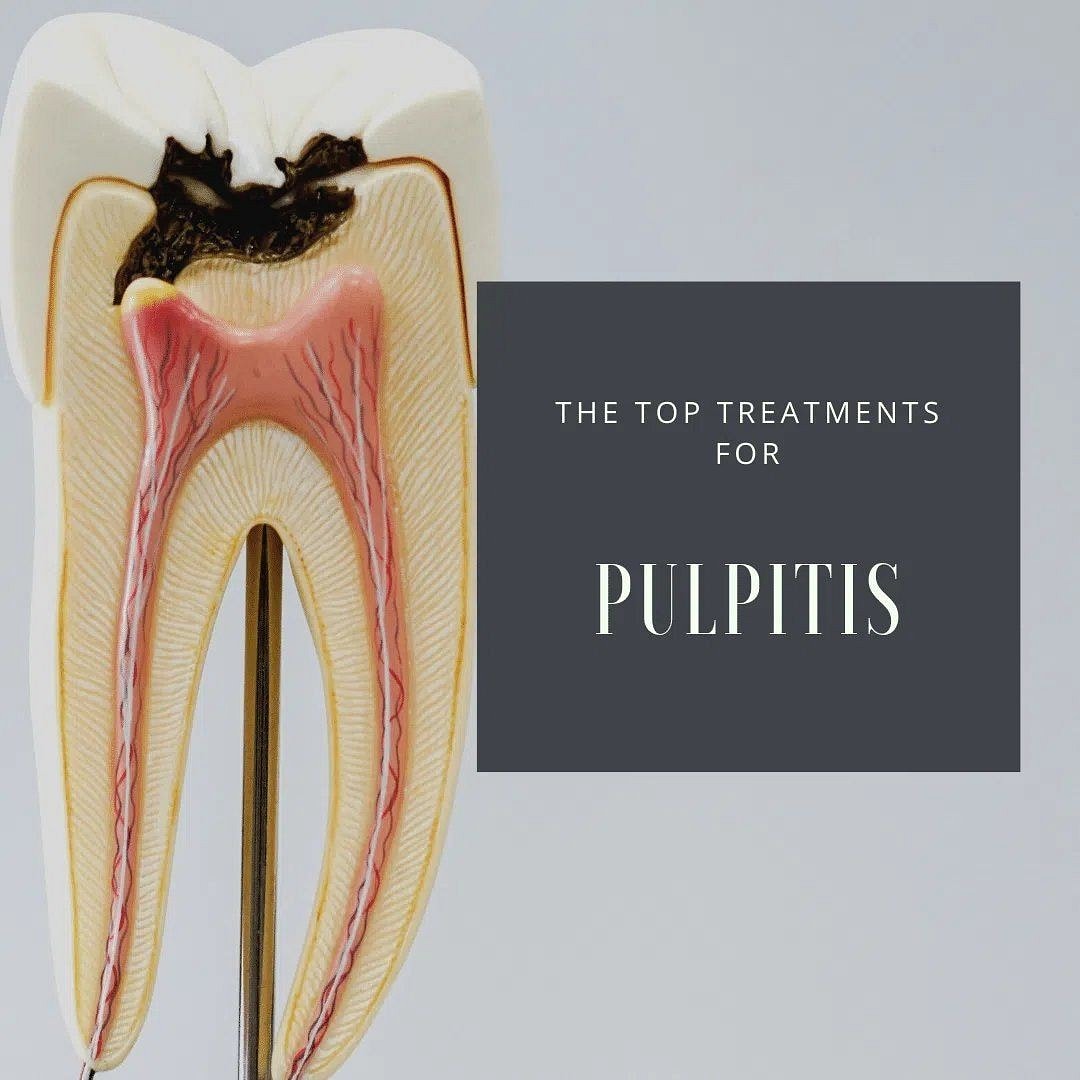
Do you have a toothache that just won’t go away? Are you experiencing sensitivity to hot and cold foods? If so, you may be suffering from pulpitis. Pulpitis is an inflammation of the dental pulp, and it can be very painful. In this blog post, we will discuss the top treatments for pulpitis. We will define pulpitis, explain how it occurs, and its symptoms. We will also discuss the importance of treating pulpitis and what can happen if it is left untreated. Then we will compare the two most common treatments for pulpitis: root canal therapy and dental implants. We will define each option, explain how the treatment works, and when one option may be more beneficial than the other.
Simply stated, pulpitis is an inflammation of the dental pulp. The dental pulp is the soft tissue inside your tooth that contains blood vessels, nerves, and connective tissue. When bacteria are able to enter the inside of the tooth, this can cause an infection in the dental pulp. The infection can cause the pulp to swell and become inflamed. This inflammation is what we call pulpitis. Pulpitis can be either acute or chronic. Acute pulpitis is when the inflammation is sudden and severe. Chronic pulpitis is when the inflammation develops over time.
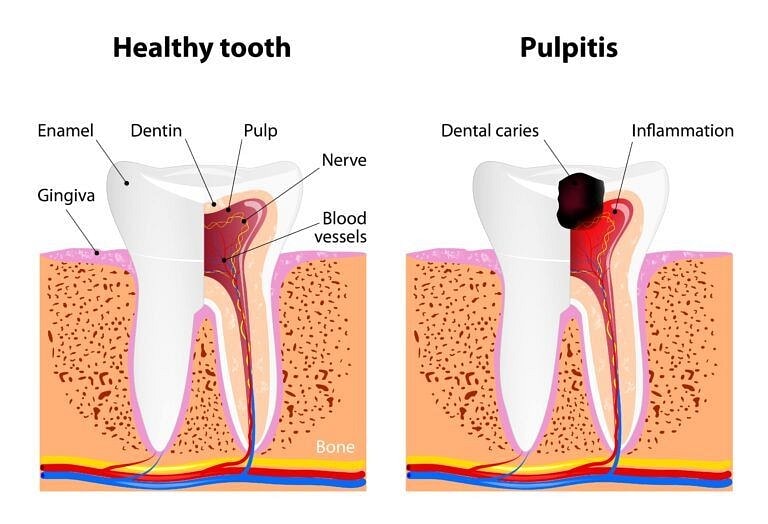
Pulpitis can be caused by a number of things, including:
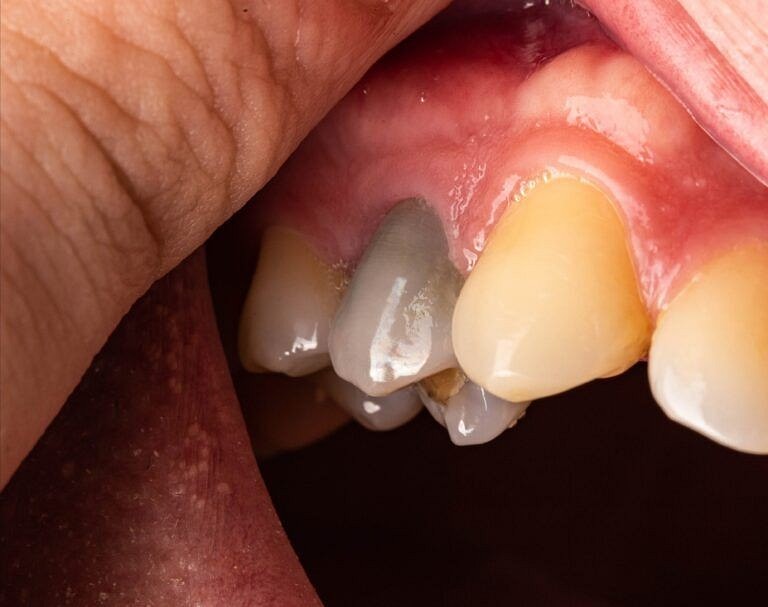
The most common symptom of pulpitis is a toothache. The pain can be either constant or intermittent. It is often described as a throbbing sensation. You may also experience prolonged sensitivity to hot and cold temperatures. This means that your tooth will hurt when you eat or drink something hot or cold, and it will continue to hurt even after the stimuli has been removed. You may also notice that your tooth looks darker than it did before. This is because the inflammation can cause the blood vessels in your tooth to become more visible. As the dental pulp begins to die, this can also cause your tooth to appear gray or black in color.
If you are experiencing any of these symptoms, it is important to see a dentist as soon as possible. Pulpitis is a serious condition that can lead to a variety of complications if it is not treated. In some cases, you may also not experience any symptoms. In these cases, pulpitis is usually discovered incidentally during regular dental exams or x-rays. Even if you are not experiencing symptoms, pulpitis requires treatment.
If left untreated, pulpitis can lead to a number of serious problems, including:
The only way to treat pulpitis is to completely remove the infection from the inside of the tooth in order to prevent it from continuing to spread. This can be accomplished in one of two ways: root canal therapy or dental implants. Let’s take a closer look at each option.
Root canal therapy is a common treatment for pulpitis. It involves removing the infected dental pulp from inside the tooth and then sealing the tooth to prevent further infection. Root canal therapy is often successful in treating pulpitis and can help you keep your natural tooth. However, there is a small chance that the infection could come back and root canal retreatment may be needed.
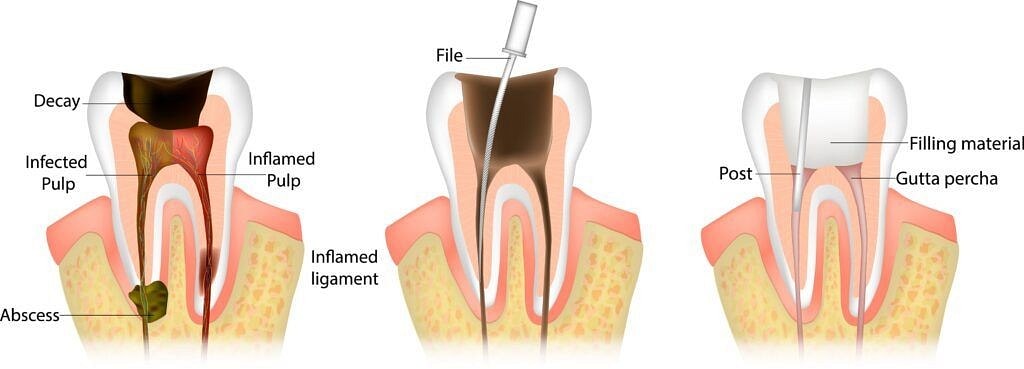
Root canal therapy is usually performed in a dentist’s office. The first step is to numb the area around the tooth with a local anesthetic. This will prevent you from feeling any pain during the procedure. Next, the dentist will use a small drill to access the pulp chamber and remove the infected dental pulp. They will then clean the pulp chambers and root canals of the tooth to prevent further infection. Once the infection has been removed, the empty tooth will be filled with a rubber-like material and covered with a dental crown for protection. The whole procedure usually takes one to two hours.
The main benefit to having a root canal is that it is usually successful in treating pulpitis and can preserve your natural tooth. However, there are some potential risks associated with the procedure. These include:
Another option for treating pulpitis is to have the affected tooth extracted and replaced with a dental implant. A dental implant is a titanium screw that is placed in the jawbone to act as a replacement for the root of a tooth. This approach completely removes the infected tooth, which also eliminates the infection.
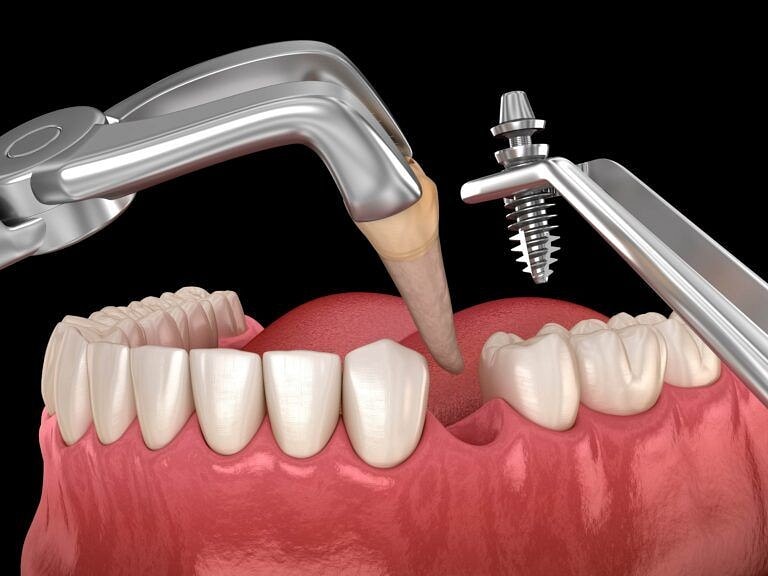
Extractions and dental implant placement can be performed in a dentist’s office. The first step is to numb the area around the tooth with a local anesthetic. This will prevent you from feeling any pain during the procedure. The affected tooth will then be extracted from the mouth. Next, the dentist will use a small drill to create a small hole in the jawbone where the implant will be placed. They will then insert the implant into the hole and secure it in place with a small screw. The whole procedure usually takes about 1-2 hours. Once the implant has healed, a dental crown is placed on top of it.
The main benefit to dental implants is that they are permanent and guarantee that the infection is completely removed. They are also less likely to cause infection or damage to surrounding teeth. However, implants may not be an option for everyone and they can be more expensive than root canal therapy.
In this blog post, we have discussed the two most common treatments for pulpitis: root canal therapy and dental implants. So, which is the best treatment for you? If you have pulpitis, it is important to discuss all of your options with your dentist so that you can make an informed decision. Root canal therapy is usually the first choice for treatment, but if it is not an option for you or if the infection does not respond to treatment, then dental implants may be the best solution. Ultimately, the best option for you will depend on a number of factors that your dentist will discuss with you. No matter which treatment you choose, the important part is to seek immediate treatment for a pulp infection to prevent additional complications.



