

Published
8 minute read
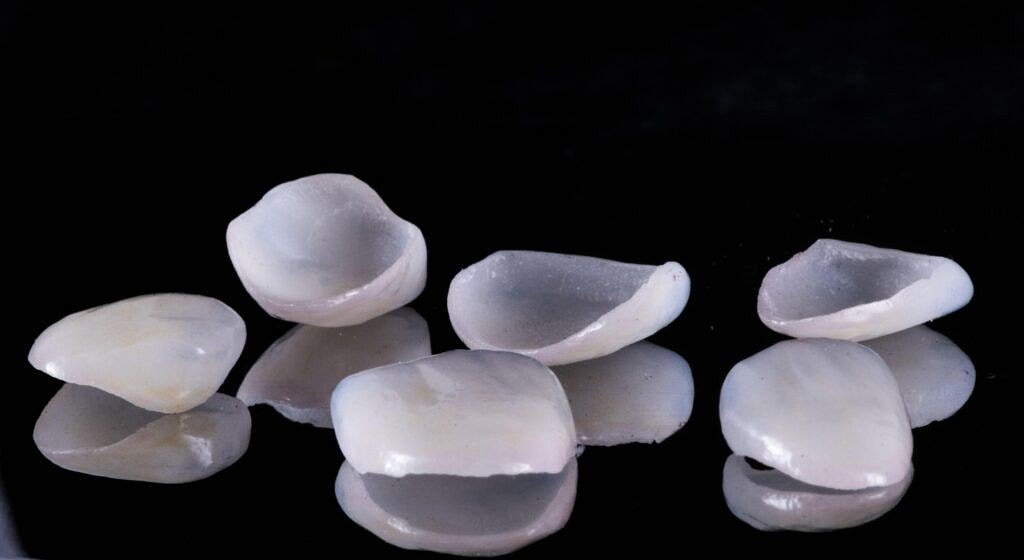
In the dynamic field of cosmetic dentistry, the debate between traditional veneers and no-prep veneers continues to intrigue patients and professionals alike. This blog post offers a thorough comparison of these two prominent dental veneer options, examining their methodologies, benefits, and the unique aspects they bring to smile transformations. As we dissect the intricacies of both procedures, from preparation techniques to the final aesthetic appeal, our goal is to provide a clear, balanced perspective. This post is an essential read for anyone weighing their options for a dental makeover, offering the necessary knowledge to choose between the classic precision of traditional veneers and the minimalistic approach of no-prep veneers.
Traditional veneers have been a staple in cosmetic dentistry for many years. These are custom-made, thin layers of porcelain or composite material designed to cover the front surface of teeth, offering a complete makeover for a variety of dental imperfections.
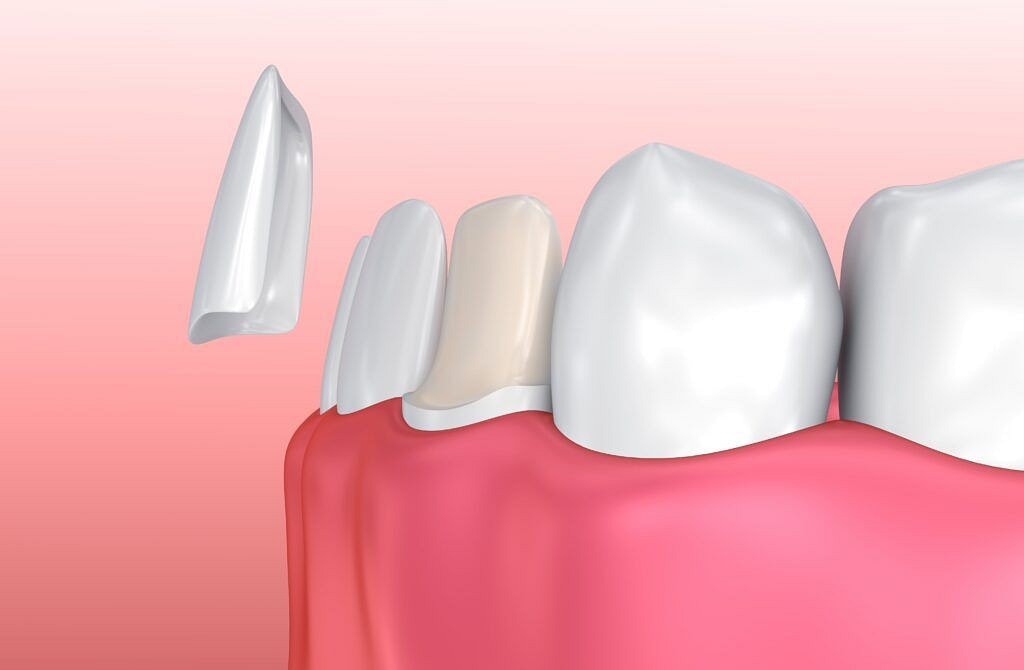
The process of placing traditional veneers is a meticulous and multi-step procedure that typically involves three main stages: consultation and planning, preparation, and bonding. During the initial consultation, a dentist evaluates the patient’s dental health and discusses aesthetic goals to ensure veneers are an appropriate solution. Impressions or digital scans of the teeth may be taken to create a precise model.
In the preparation stage, a small amount of enamel is gently removed from the front surface of the teeth to make room for the veneers. This step is crucial as it ensures a natural fit and appearance, but it’s also irreversible, making the decision to proceed an important one. The dentist then takes an impression of the newly shaped teeth, which is sent to a dental lab where the custom veneers are crafted. This can take a few weeks, during which time temporary veneers might be placed.
In the final appointment, the dentist places the veneers on the patient’s teeth to check their fit and color, making any necessary adjustments. The teeth are then cleaned, and the veneers are bonded to the teeth using a special adhesive, which is hardened with a light beam. The result is a transformed smile with improved aesthetics and function.
No-prep veneers have emerged as a popular alternative, requiring little to no removal of tooth enamel. This approach appeals to those seeking a less invasive option for enhancing their smile.

The placement of no-prep veneers is a less invasive and more conservative process compared to traditional veneers, often requiring minimal to no removal of tooth enamel. The procedure typically begins with a consultation where the dentist assesses the patient’s dental health and discusses their aesthetic goals. If no-prep veneers are deemed suitable, the dentist proceeds with the treatment plan without the extensive tooth preparation needed for traditional veneers. Impressions or digital scans of the teeth are taken to create custom veneers tailored to fit the patient’s natural tooth structure. Unlike traditional veneers, there is usually no need for temporary veneers, as the tooth structure is left largely intact.
Once the custom no-prep veneers are fabricated, which can take a few weeks, the patient returns for the placement appointment. During this visit, the dentist carefully checks the fit, color, and alignment of the veneers, making minor adjustments if necessary. The teeth are then cleaned, and the veneers are bonded directly onto the existing teeth using a specialized dental adhesive. This bonding process is typically straightforward, requiring no extensive alterations to the tooth structure. The entire process is generally more comfortable, often without the need for anesthesia, and the patient leaves with an instantly transformed and aesthetically pleasing smile.
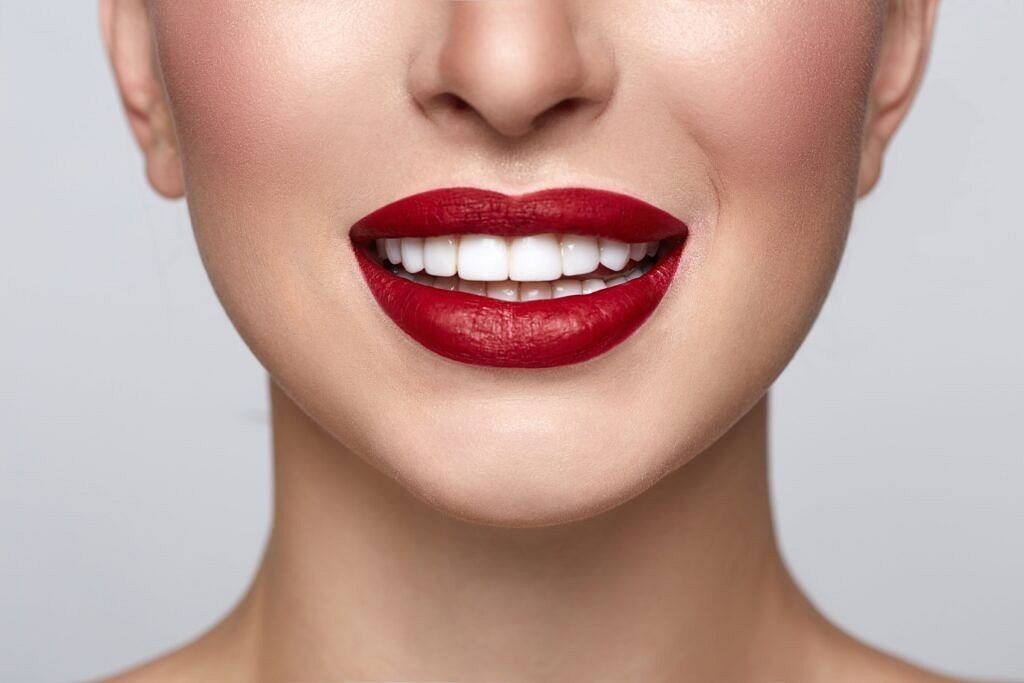
Deciding between traditional and no-prep veneers involves a careful consideration of several factors, tailored to individual dental needs and aesthetic preferences. Firstly, evaluate the extent of the dental correction required. Traditional veneers are often more suitable for extensive modifications such as severe discoloration, large gaps, or significant tooth reshaping, due to their comprehensive coverage and customization capabilities. On the other hand, if you have minor imperfections or are looking for a less invasive option, no-prep veneers might be ideal, as they offer a significant aesthetic improvement without the need for extensive tooth alteration.
It’s also important to consider the long-term commitment; traditional veneers involve an irreversible process of enamel removal, whereas no-prep veneers often allow for reversibility. Additionally, discuss with your dentist about the expected longevity, maintenance, and overall cost of each option. Personal comfort and preference play a crucial role too; some patients might prefer the less invasive nature of no-prep veneers, while others might prioritize the durability and extensive customization offered by traditional veneers. Ultimately, a consultation with a dental professional who can provide a comprehensive evaluation of your dental health and aesthetic goals is crucial in making an informed decision that aligns with your long-term dental health and satisfaction.
The choice between traditional and no-prep veneers should be made after careful consideration and consultation with a dental professional. Each option offers unique benefits and limitations, and the right choice depends on individual dental conditions, aesthetic desires, and personal preferences. Remember, the ultimate goal is to achieve a beautiful, healthy smile that boosts your confidence and quality of life.



