

Published
6 minute read
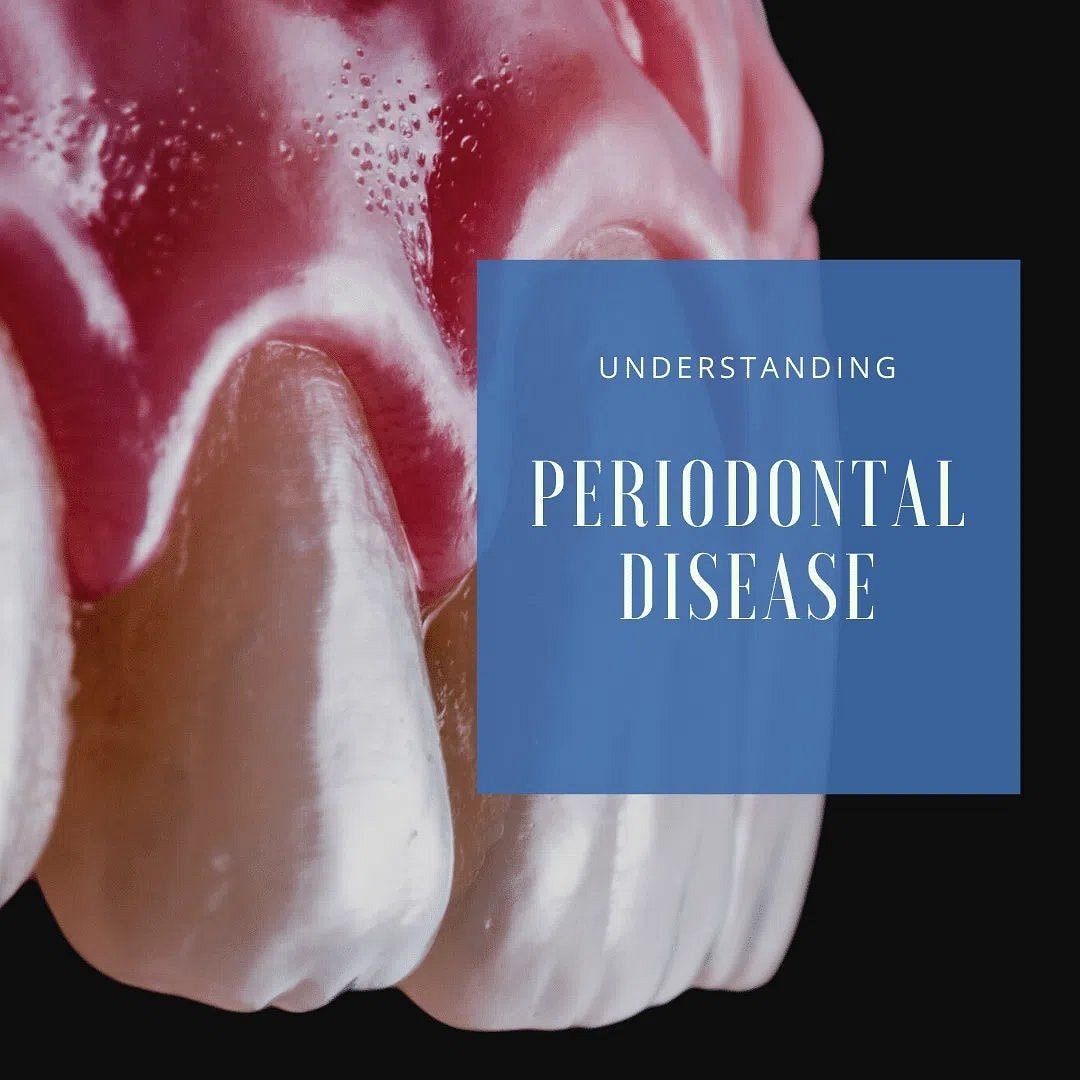
Did you know that gum disease is the leading cause of tooth loss in adults? In fact, according to the National Institute of Dental and Craniofacial Research, over 50% of American adults have some form of periodontal disease. If you are one of them, it’s important to understand what periodontal disease is and how it can be treated. In this blog post, we will discuss everything you need to know about periodontal disease!
Periodontal disease, also known as gum disease, is a condition in which the gums and supporting structures of the teeth become inflamed. This inflammation can eventually lead to bone loss and tooth loss. There are two main types of periodontal disease: gingivitis and periodontitis.
Gingivitis is the early stage of periodontal disease and is characterized by red, swollen, and bleeding gums. If gingivitis is left untreated, it can progress to periodontitis. Periodontitis is a more serious form of gum disease that leads to the breakdown of the supporting structures around the teeth. This can eventually lead to tooth loss.
There are also different forms of periodontitis, such as:
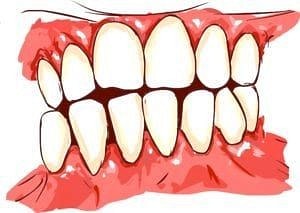
The symptoms of periodontal disease vary depending on the type and severity of the disease. In its early stages, gingivitis may not cause any symptoms. Gingivitis can also cause the gums to bleed easily. As the disease progresses, you may experience:
If you experience any of these symptoms, it’s important to see a dentist or periodontist as soon as possible.
There are a variety of factors that can contribute to the development of periodontal disease. These include:
The best way to prevent periodontal disease is to practice good oral hygiene. This means brushing your teeth twice a day and flossing once a day. It’s also important to see a dentist for regular checkups and cleanings.
Your dentist or periodontist can diagnose periodontal disease by examining your teeth and gums. They may also take X-rays of your teeth to look for signs of bone loss. If you are experiencing symptoms of gum disease, they will also ask about your medical history and whether you smoke.
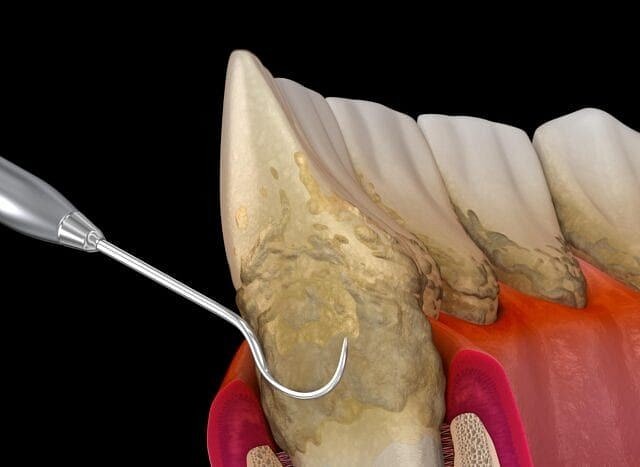
If you already have periodontal disease, there are a few different treatment options available. Treatment for periodontal disease depends on the severity of the disease. In its early stages, gingivitis can be treated with a professional cleaning and improved oral hygiene. More advanced cases of periodontitis may require more aggressive treatment, such as:
Some people assume that dental implants are resistant to dental issues. Although dental implants cannot decay like natural teeth, they are still susceptible to the effects of gum disease. This is because periodontal disease can damage the bones and tissues that support the implants. If you get dental implants while you have periodontal disease, there is a greater risk that the implants will fail.
There are two forms of periodontal disease that can affect someone with dental implants:
If you have dental implants, it’s important to practice good oral hygiene and see a dentist or periodontist for regular checkups and cleanings. If you develop periodontal disease, it’s important to get treatment as soon as possible to prevent damage to the implants. This is because implant failure can occur when the bone and tissue around the implant begin to deteriorate due to peri-implantitis or peri-mucositis.
Periodontal disease is a serious condition that can lead to tooth loss. If you think you might have periodontal disease, it’s important to see a dentist so that the proper treatment can be administered. With proper treatment, periodontal disease can be controlled and the damage it causes can be managed to prevent future complications, such as implant failure.
We hope this blog post has helped you to better understand periodontal disease. If you have any questions, please feel free to contact us. We would be more than happy to help!



