

Published
9 minute read
Dental implants have revolutionized the field of restorative dentistry, offering a permanent and natural-looking solution for individuals with missing teeth. As this remarkable dental procedure gains popularity, it’s only natural that questions arise. If you’re considering dental implants as a solution to restore your smile and oral functionality, you may find yourself pondering common queries such as “What are dental implants?” or “Are dental implants painful?” In this comprehensive blog, we embark on a journey to demystify the most frequently asked questions about dental implants. Whether you’re curious about the procedure, candidacy, cost, or long-term outcomes, join us as we unravel the mysteries surrounding dental implants and empower you with the knowledge needed to make informed decisions about your dental health. Let’s dive in and discover the answers to these intriguing questions together.
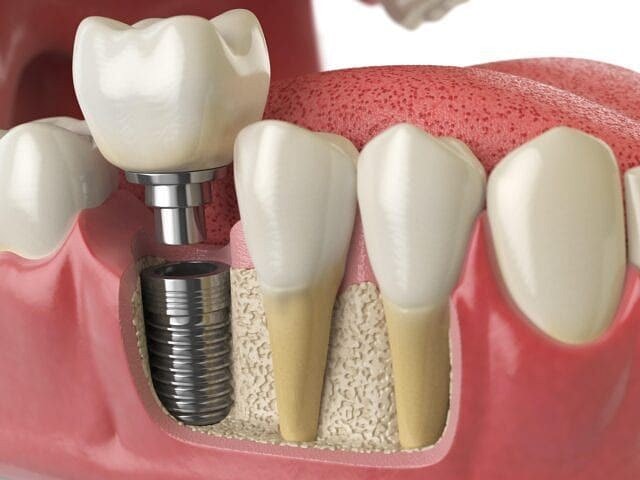
Dental implants are artificial tooth roots that are surgically placed into the jawbone as a means of replacing missing teeth. They are typically made of biocompatible materials, most commonly titanium, which allows them to fuse with the surrounding bone through a process called osseointegration. This fusion creates a strong and stable foundation for the attachment of prosthetic teeth, such as crowns, bridges, or dentures. Dental implants are designed to look, feel, and function like natural teeth, providing a long-lasting solution for individuals with missing teeth. They can restore the ability to chew, speak, and smile with confidence, while also preserving the health and integrity of the jawbone.
Dental implants function by mimicking the structure and function of natural teeth. Once the implant is placed and fully integrated with the jawbone through osseointegration, it provides a stable and durable foundation for the attachment of a prosthetic tooth or restoration. Here’s how dental implants function:
A good candidate for dental implants is typically someone who has sufficient jawbone density to support the implant and healthy gums free from periodontal disease. They should be in good overall health, without uncontrolled chronic conditions that may impact the success of the treatment. Candidates should be committed to maintaining proper oral hygiene and willing to follow a thorough oral care routine. Non-smokers or those willing to quit smoking before and after the procedure are generally preferred. Specific tooth replacement needs, whether for a single tooth or multiple teeth, should be present. Ultimately, a dental professional will conduct a comprehensive evaluation to determine a person’s suitability for dental implants, considering their unique oral health, medical history, and individual circumstances.
The process of getting dental implants typically involves several steps:
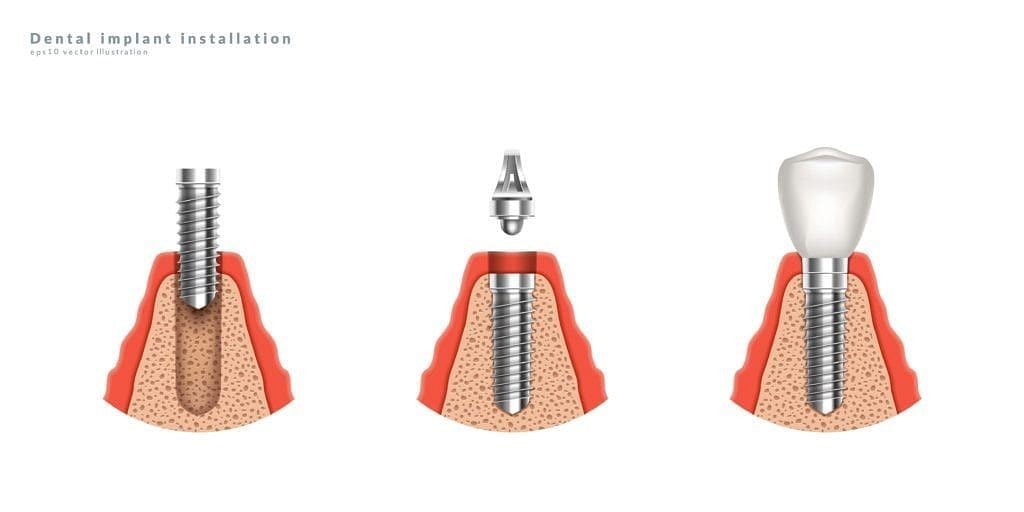
Once the dental implant is fully integrated and the restoration is in place, it functions and feels like a natural tooth. Regular oral hygiene practices, including brushing, flossing, and routine dental visits, are essential for maintaining the health and longevity of dental implants.
The dental implant procedure itself is typically performed under local anesthesia, ensuring that patients are comfortable and experience minimal pain or discomfort during the surgery. The area around the implant site is numbed, so you should not feel any pain during the placement of the implant itself. However, it’s normal to experience some mild discomfort, swelling, or bruising in the days following the procedure. This can be managed with over-the-counter pain medications or prescribed pain relief, if necessary. The level of discomfort varies from person to person, but it is generally manageable and subsides as the healing progresses. Your dental professional will provide specific instructions on pain management and can address any concerns you may have regarding pain or discomfort during the implant process.
The recovery process after getting dental implants involves several stages, and the specific timeline may vary depending on individual circumstances. Here’s an overview of what to expect during the recovery period:
Throughout the recovery process, it’s important to communicate any concerns or unusual symptoms with your dental professional. They will monitor your progress, provide guidance, and ensure that the implants are healing properly. Following the post-operative instructions and maintaining good oral hygiene habits will contribute to a smooth and successful recovery after getting dental implants.

With proper care and maintenance, dental implants have the potential to last a lifetime. Dental implants are designed to be a durable and long-lasting solution for tooth replacement. The longevity of dental implants can be influenced by various factors, such as oral hygiene habits, lifestyle factors, overall health, and whether someone grinds their teeth.
While dental implants have a high success rate and long lifespan, occasional complications can occur. These may include infection, implant fracture, or damage to the restoration. Regular follow-up visits with your dental professional are crucial to monitor the health of your implants and address any concerns or issues promptly.
It’s important to note that individual experiences may vary, and the lifespan of dental implants can be influenced by several factors. Consulting with a dental professional who can evaluate your specific case and provide personalized guidance is essential for maximizing the longevity of your dental implants.
In conclusion, dental implants have become a popular and effective solution for individuals with missing teeth, offering both functional and aesthetic benefits. The most commonly asked questions regarding dental implants revolve around understanding the implant procedure, candidacy, pain levels, and longevity. By addressing these questions, we have shed light on the nature of dental implants and the factors that contribute to their success. It is crucial to consult with a dental professional for personalized information and guidance tailored to your specific needs and circumstances. Dental implants can significantly enhance your oral health, restore your smile, and improve your quality of life. With the right information and proper care, dental implants can provide a long-lasting and satisfying tooth replacement solution.



