

Published
3 minute read

Losing one or more teeth is not just a matter of aesthetics; it can significantly impact your overall health, nutrition, and self-confidence. Understanding the root causes of tooth loss and knowing the steps you can take to prevent or address it are crucial in maintaining a healthy, vibrant smile. From the stealthy progression of gum disease to sudden accidents, this blog will explore the various factors that contribute to tooth loss and offer practical advice and solutions for those looking to safeguard their oral health or navigate the journey of restoration and recovery. Join us as we uncover the secrets to keeping your smile intact and shining bright.
The most common causes of tooth loss include:
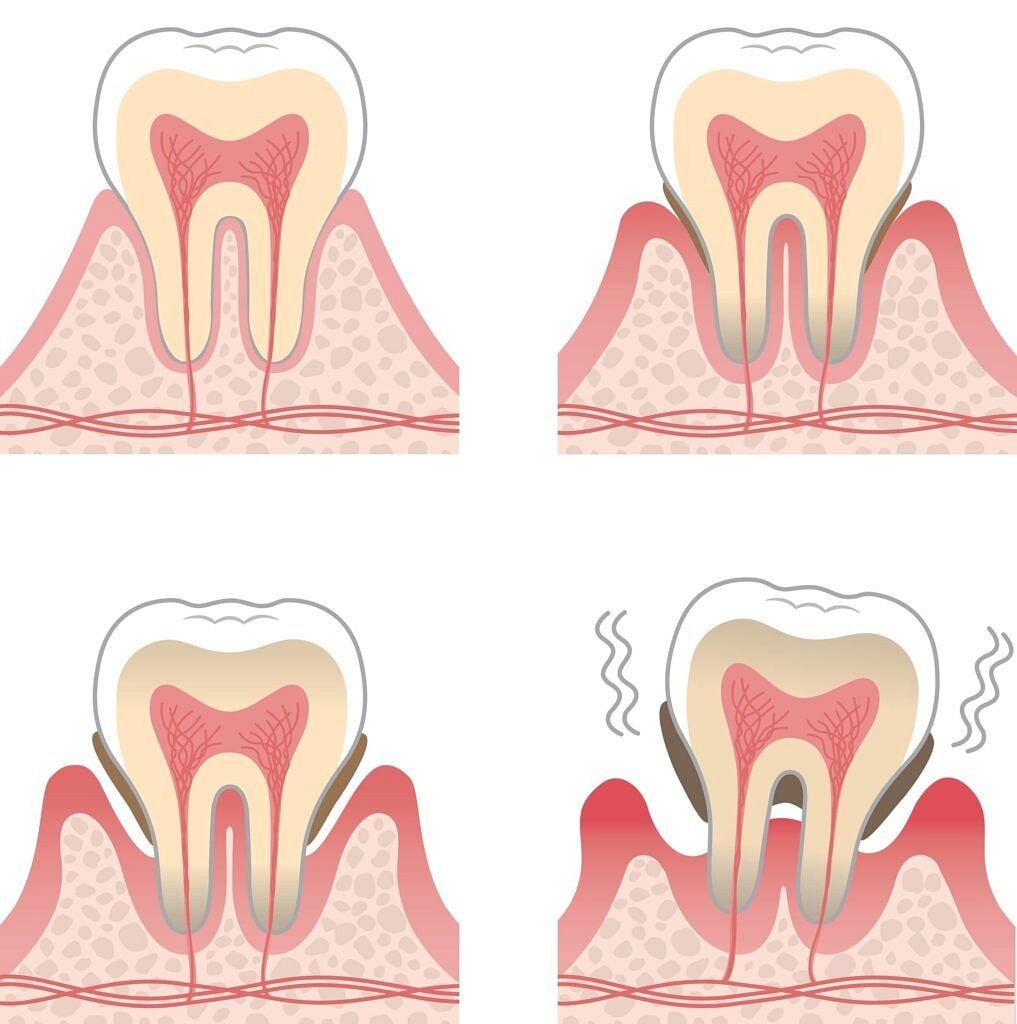
This is the leading cause of tooth loss in adults. Gum disease ranges from gingivitis, a mild form of gum disease, to periodontitis, a more severe form that can lead to the destruction of the supporting tissues and bone around the teeth, eventually resulting in tooth loss.
Poor oral hygiene can lead to the buildup of plaque, which can cause cavities (dental caries). If left untreated, cavities can lead to severe tooth decay, affecting the inner pulp and causing infection or abscesses that may necessitate tooth extraction.
Accidents, sports injuries, falls, or even biting down on hard objects can cause teeth to crack, break, or get knocked out. Such physical impacts are significant causes of tooth loss, especially among younger individuals.
Smoking and using tobacco products significantly increase the risk of periodontal disease, leading to tooth loss. Additionally, diets high in sugary foods and drinks can contribute to cavities and tooth decay.
Certain diseases such as diabetes, osteoporosis, and others that affect the body’s inflammatory system or bone density can indirectly contribute to tooth loss by affecting the health of the gum tissue and the bones that support the teeth.
Not brushing and flossing regularly can lead to the buildup of plaque and tartar, which are the primary culprits behind gum disease and tooth decay, leading to tooth loss over time.
As people age, they may be more susceptible to conditions like gum disease and tooth decay, partly due to wear and tear on the teeth over time, as well as potential difficulties in maintaining rigorous oral hygiene practices.
Addressing tooth loss involves both preventive measures to protect remaining teeth and restorative treatments to replace lost teeth. Here’s an overview of what can be done about tooth loss:
There are several restorative treatment options avaliable for replacing missing teeth. Here’s how they compare:
Restorative Option | Description | Benefits | Potential Drawbacks |
|---|---|---|---|
| Dental Implants | A surgical component that interfaces with the bone of the jaw or skull to support a dental prosthesis such as a crown, bridge, denture, or facial prosthesis. | – Looks and feels like natural teeth- Long-lasting- Prevents bone loss | – Requires surgery- More expensive- Not suitable for everyone due to health conditions |
| Bridges | A dental restoration method that literally bridges the gap created by one or more missing teeth. It is supported by natural teeth or implants. | – Less invasive than implants- Cost-effective for multiple adjacent missing teeth- Quick procedure | – Requires alteration of adjacent healthy teeth- Not as durable as implants- Underlying structures may still be prone to decay |
| Dentures | A removable replacement for missing teeth and surrounding tissues. They can be complete or partial. | – Suitable for patients missing several teeth or all teeth- Less expensive initially- Non-invasive | – Can be uncomfortable- Require regular maintenance- May affect speech and eating |
| Root Canal with Crown | A treatment to repair and save a badly damaged or infected tooth instead of removing it, followed by placing a crown over the treated tooth. | – Saves the natural tooth- Prevents further decay and infection- Looks like a natural tooth | – Can be more expensive than extraction- Not suitable for all damaged teeth- Procedure involves multiple steps |
Published
4 minute read
This table provides a brief overview of each option, but individual suitability, cost, and other factors can vary widely. It’s important to consult with a dental professional to determine the best course of action based on personal health, needs, and financial considerations.
The approach to dealing with tooth loss is multifaceted, involving prevention, ongoing care, and possibly restorative treatments to ensure oral health and functionality are maintained or restored.
Dental implants have become the gold standard for replacing missing teeth due to their numerous advantages over other restorative options. Here are some of the key benefits of using dental implants for tooth loss:
Dental implants are designed to look, feel, and function like your natural teeth. They provide a cosmetic solution that can boost confidence and allow for a more natural smile. The design of implants ensures that they blend seamlessly with your existing teeth, making them virtually indistinguishable.
One of the most significant benefits of dental implants is their durability. With proper care and maintenance, implants can last a lifetime. The titanium post used in implants fuses with the jawbone through a process called osseointegration, providing a stable and durable foundation for the replacement tooth.
Tooth loss can lead to bone loss in the jaw over time, which can alter the shape of your face and cause sagging. Dental implants stimulate and preserve natural bone growth, helping to maintain the jawbone’s integrity and prevent bone loss. This not only supports oral health but also contributes to preserving your facial structure.
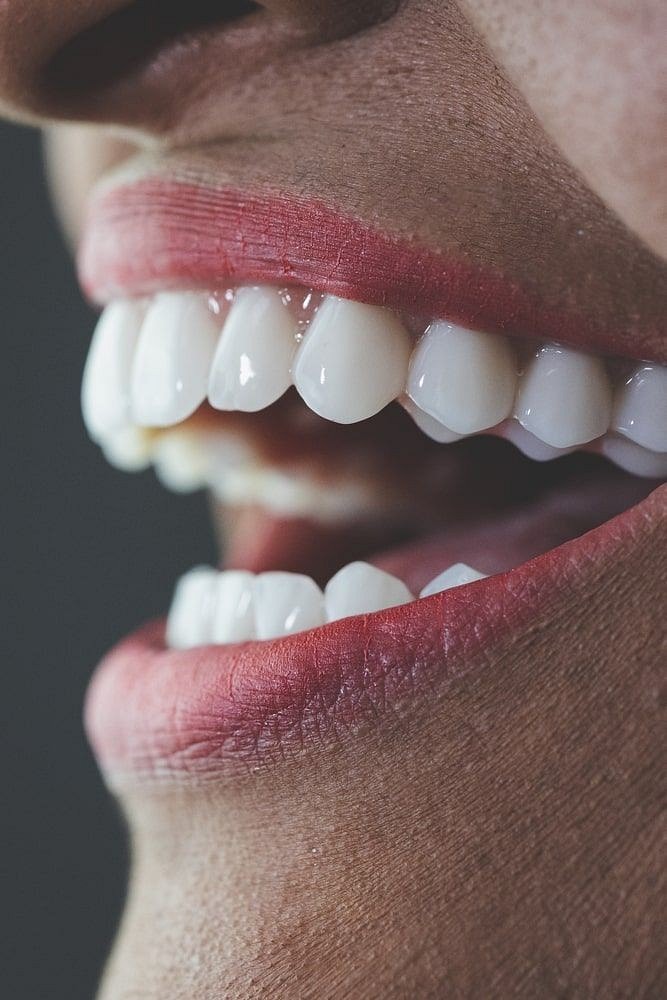
Unlike bridges, which require reducing adjacent teeth to support the restoration, dental implants do not require altering surrounding teeth, preserving more of your natural tooth structure. This aspect of implants supports better long-term oral health and hygiene. Additionally, the gap left by a missing tooth can act as a trap for food and bacteria, leading to decay and gum disease. Implants fill these gaps, reducing the risk of dental health issues.
Dental implants are anchored securely in your jaw, eliminating the discomfort and instability associated with removable dentures. They allow for easier speaking and chewing, improving your quality of life. You can eat your favorite foods without worry and speak without the fear of dentures slipping or making noise.
Implants offer a permanent solution to tooth loss. Unlike dentures, which must be removed for cleaning, dental implants are maintained just like your natural teeth with regular brushing and flossing. This convenience, combined with their high success rate, makes dental implants a reliable choice for tooth replacement.
A remarkable advancement in dental implant technology is the development of same-day dental implants, also known as “immediate load” implants. This innovative approach allows patients to receive new, permanent teeth in as little as 24 hours. With same-day dental implants, there’s no need to use temporary dentures or go through a period where missing teeth affect speech, eating, and social interactions. Patients can immediately enjoy the benefits of a full smile, improving their quality of life right from the start.
Tooth loss can significantly impact one’s quality of life, affecting the ability to eat, speak, and smile confidently. However, by understanding its causes and taking proactive steps towards prevention and treatment, it’s possible to mitigate the effects of tooth loss and maintain a healthy, beautiful smile. Remember, early intervention and regular dental care are key to preventing and managing tooth loss.



