

Published
3 minute read
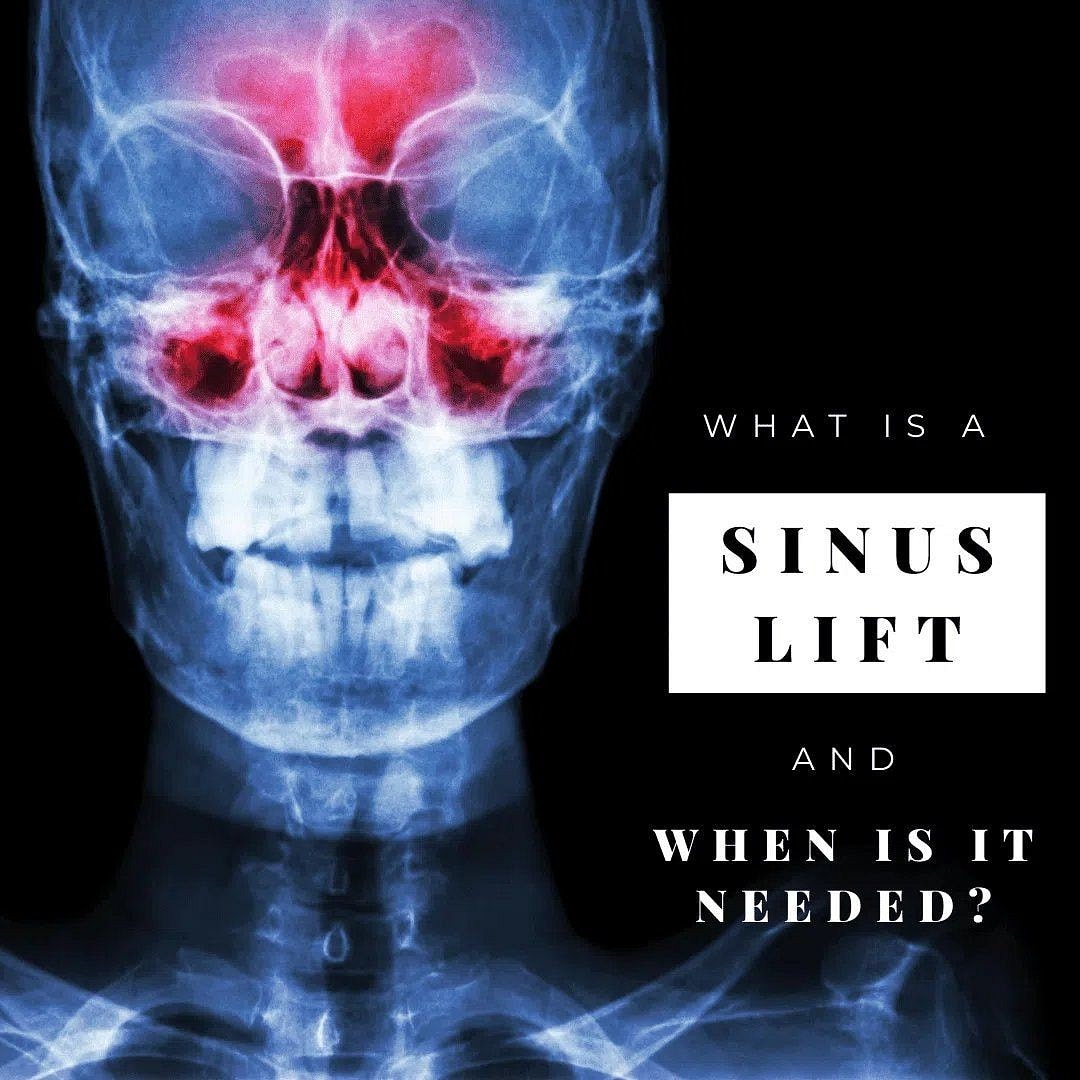
Dental implants are artificial tooth roots that are placed in the jawbone and used to replace one or more missing teeth by supporting a dental prosthetic. In order for dental implants to be placed, however, there must be enough bone mass around the implant to allow for fusion of the bone and implant. In cases where there is not enough bone mass, additional procedures may be needed in order to safely have dental implants placed. One of these procedures is known as a sinus lift.
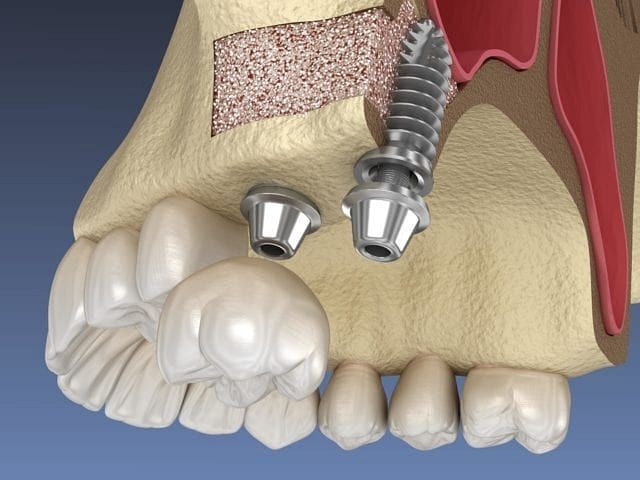
A sinus lift, also known as sinus augmentation, is a type of bone graft that is performed on the upper jaw in the spaces between your molars and premolars. Bone grafts are procedures that place bone material in areas of low bone mass in order to build up the bone. As a bone graft heals, new bone growth occurs in the area where it was placed, which allows for the eventual placement of dental implants. In the case of a sinus lift, bone material is placed in the upper jaw in the spaces between your molars and premolars as a way of thickening the jawbone to protect the sinus cavities and to provide a firm anchorpoint for the implant. It is called a sinus lift because the additional bone essentially lifts the floor of the sinus cavity.
During a sinus lift, your implant dentist will make a tiny incision where your molars and premolars used to be in order to access the bone. A tiny circular hole will be made in the exposed bone, then a bony piece will be placed into the sinus cavity space. Finally, bone material will be placed in the circular hole to promote new bone growth. In most cases, your implant dentist will then suture the gums shut. After having a sinus lift, it usually takes about 4-12 months for the new bone material to grow. Dental implants can only be placed once the sinus lift area has healed. Around 7-10 days after your sinus lift, your implant dentist will likely have you come in to remove any sutures and to evaluate your progress.
Sinus lifts are needed to place dental implants when there is not enough bone in the upper jaw or when the sinuses are too close to the upper jaw. This is because the sinus cavity resides just above the upper jawbone. If the jawbone is too thin or the sinus cavities are too close this can cause the dental implant to damage or penetrate the sinus cavity.
Bone loss in the upper jaw can occur for various different reasons, including:



