

Published
4 minute read
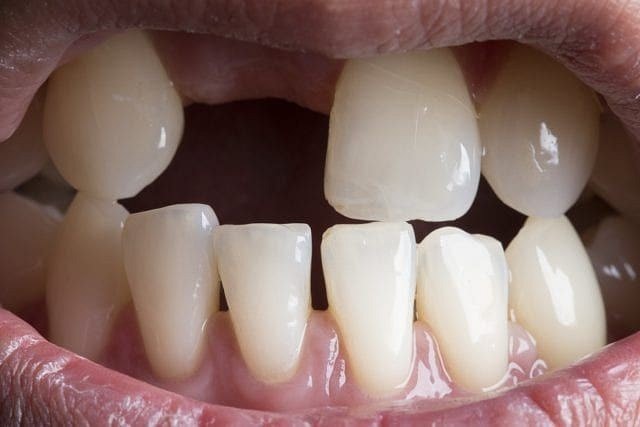
Do you have one or more missing teeth? If so, you are not alone. In fact, the American College of Prosthodontics notes that as many as 120 million Americans are currently missing at least one tooth. When you consider that teeth can fall out for a number of reasons including dental trauma, damage, or decay, as well as the fact that we are living longer than ever, it makes sense that 120 million people would have lost at least one tooth. If you are one of the 120 million people to whom this statistic is referring to, then you may be wondering what your options are now that you have a missing tooth.
Of course, the first option is that you can simply choose to do nothing. However, this is not recommended, nor is it an option that you should entertain seriously. As any dentist will tell you, you will want to replace your missing tooth as soon as possible. This is because not replacing a missing tooth can lead to the following problems:
While dental implants are not the only option to replace missing teeth, they are the best option. To understand why dental implants are the best option for replacing missing teeth, we will need to evaluate their structure and how they function. These key differences can explain why you should choose dental implants to replace missing teeth.
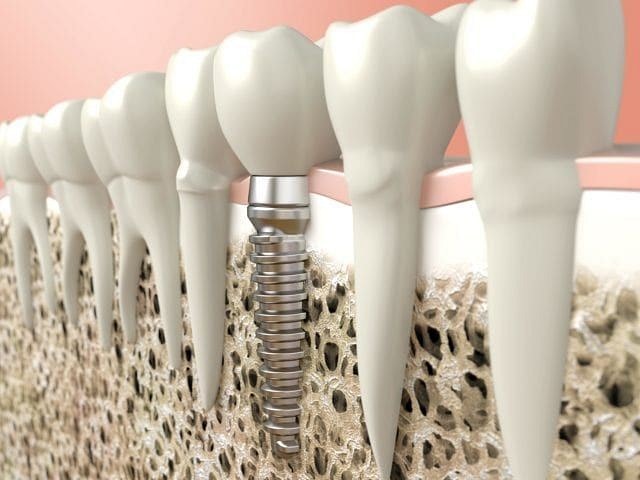
Dental implants are small screws, usually made from titanium, that are implanted into the jawbone to act as artificial tooth roots. Since dental implants are placed in the jawbone, they function like natural tooth roots and provide the same type of stimulation to the jawbone, which preserves bone mass. Over time, they will fuse with the surrounding bone, which secures them in place and allows them to support a dental prosthetic. To replace a single tooth, an implant-supported crown is used, to replace multiple missing teeth an implant-supported bridge is used, and to replace an entire arch of teeth an implant-supported denture is used.
The other two tooth replacement options are bridges and dentures. Both of these options sit above the gums and provide no stimulation to the jawbone. As a result, the jawbone will slowly deteriorate and change in shape. Since neither option uses the jawbone for support, dental bridges are supported by crowns placed on the surrounding teeth, while dentures are supported by suction to the gums. While dental bridges are fixed in the mouth, dentures are removable and will need to be removed every night.



