

Published
5 minute read
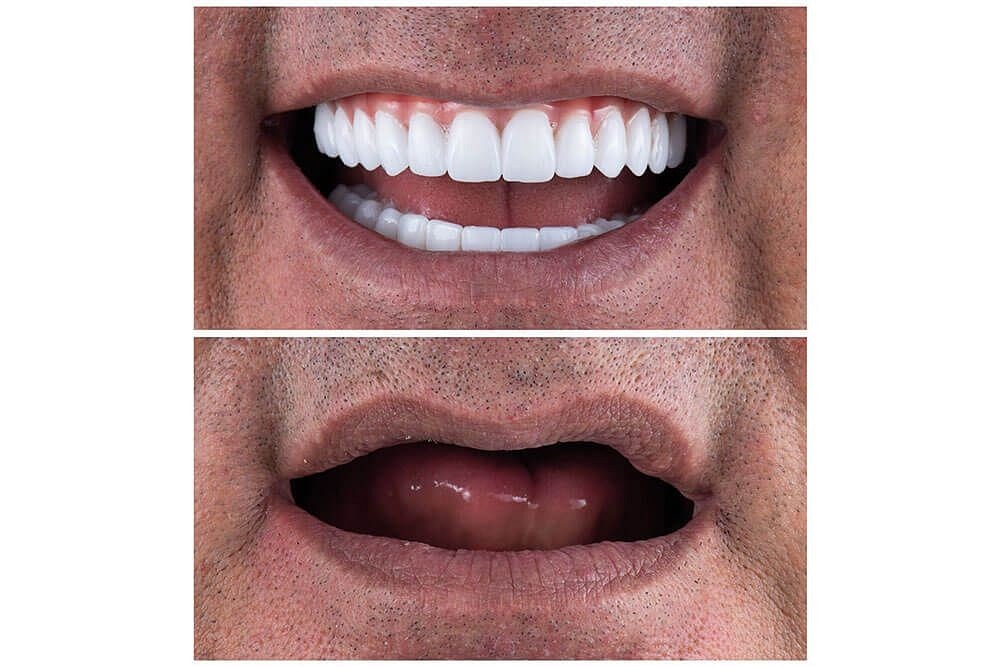
Dental implants have revolutionized the field of restorative dentistry, offering a reliable and aesthetically pleasing solution for replacing missing teeth. Among the various materials used for dental implants, zirconia has emerged as a game-changer. Zirconia dental implants, made from zirconium dioxide, offer a host of advantages that make them an appealing choice for patients seeking a perfect smile. With their exceptional biocompatibility, natural-looking aesthetics, durability, and resistance to corrosion, zirconia dental implants have gained recognition as a revolutionary alternative to traditional implant materials. In this blog, we will delve into the world of zirconia dental implants, exploring their benefits, the implantation procedure, potential drawbacks, and how they compare to other implant materials, providing valuable insights into this innovative dental solution.
Zirconia dental implants are a type of dental implant made from zirconium dioxide, a biocompatible ceramic material. Zirconia, also known as zirconium oxide, is a white, crystalline substance that possesses remarkable properties ideal for dental restorations. These implants are designed to replace missing teeth by mimicking the natural tooth structure and anchoring securely into the jawbone.
Zirconia dental implants offer several benefits that make them an attractive option for individuals seeking tooth replacement. Here are some of the key advantages of zirconia dental implants:
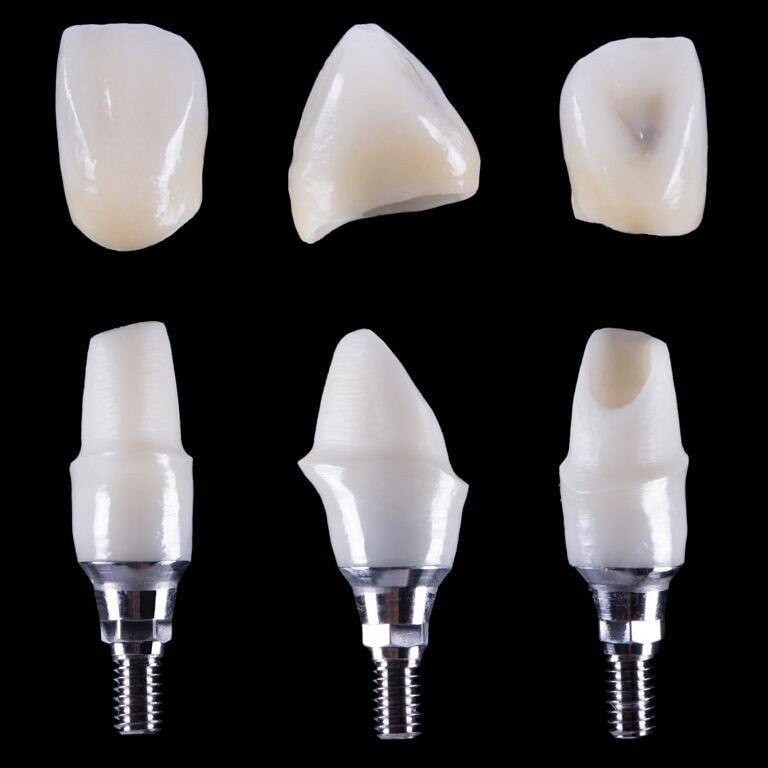
Overall, zirconia dental implants offer natural-looking aesthetics, excellent biocompatibility, durability, resistance to corrosion, low thermal conductivity, and reduced plaque accumulation. These benefits make zirconia implants a compelling choice for individuals seeking a long-lasting, aesthetically pleasing, and functional solution for tooth replacement. It is important to consult with a dental professional to determine if zirconia implants are suitable for your specific dental needs and circumstances.
While zirconia dental implants offer several benefits, it’s important to consider potential drawbacks as well. Here are some of the drawbacks associated with zirconia dental implants:
It’s essential to discuss these drawbacks with your dental professional to have a comprehensive understanding of the potential risks and limitations associated with zirconia dental implants. They can provide personalized guidance based on your specific oral health needs and help you make an informed decision regarding the most suitable implant option for you.
To better understand the advantages of zirconia dental implants, it’s helpful to compare them to other commonly used materials like titanium and ceramic. By comparing success rates, long-term outcomes, and patient experiences, we can gain insights into the unique benefits that zirconia brings to the table.
Here’s a table comparing zirconia implants to titanium and ceramic implants:
Zirconia Implants | Titanium Implants | Ceramic Implants | |
|---|---|---|---|
| Biocompatibility | Highly biocompatible; suitable for individuals with metal sensitivities or allergies | Highly biocompatible | Highly biocompatible |
| Aesthetics | Natural-looking aesthetics; closely resemble natural teeth | Grayish hue at the gum line | Natural-looking aesthetics; shade and translucency may vary |
| Corrosion Resistance | Resistant to corrosion | Resistant to corrosion | Varies depending on ceramic material |
| Osseointegration | Promising rates of osseointegration | Established track record of successful osseointegration | Varies depending on ceramic material |
| Strength | Excellent strength, slight possibility of fracture under extreme stress | Excellent strength and fracture resistance | Varies depending on ceramic material |
| Thermal Conductivity | Low thermal conductivity; less sensitive to temperature changes | Moderate thermal conductivity | Varies depending on ceramic material |
| Cost | Often more expensive | Generally less expensive | Varies depending on ceramic material |
Published
1 minute read
It’s important to remember that the information in this table provides a general overview and that specific implant materials and individual cases may have unique considerations. Consulting with a dental professional is crucial to determine the most appropriate implant material based on individual circumstances.
Zirconia dental implants have emerged as a revolutionary solution for those seeking a perfect smile. Their exceptional aesthetics, biocompatibility, durability, and resistance to corrosion make them a compelling alternative to traditional implant materials. While there are considerations such as cost and availability, the numerous benefits of zirconia implants make them an exciting option worth exploring. Consultation with a dental professional is essential for personalized advice and to determine if zirconia implants are the right choice for your unique situation. With zirconia dental implants, you can reclaim your smile with confidence and enjoy the benefits of a long-lasting, beautiful restoration.



