
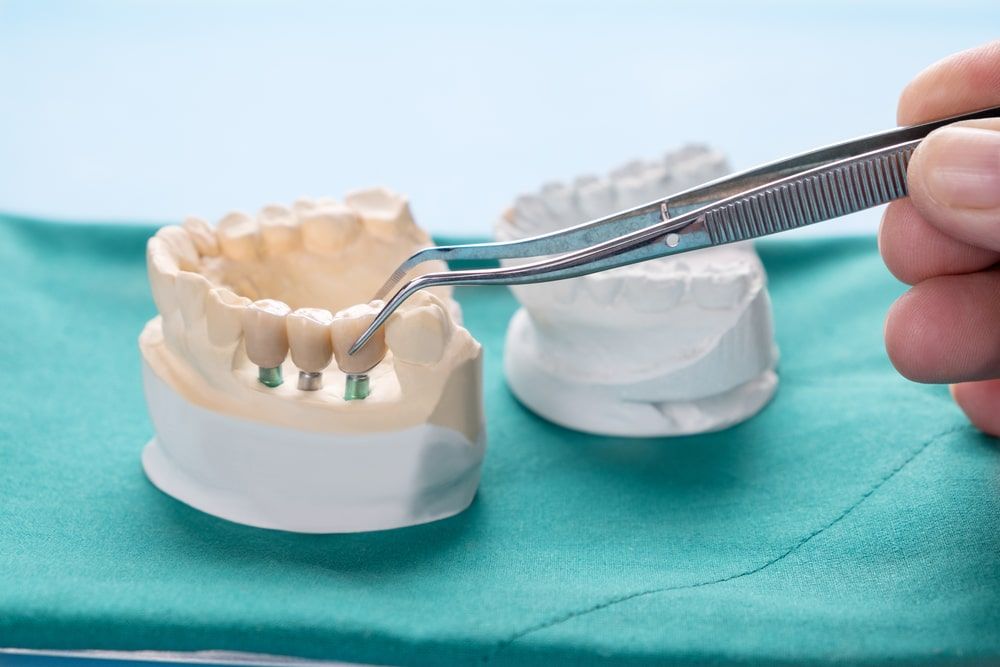
For individuals who have lost multiple teeth, choosing the right type of denture is crucial for both oral function and overall quality of life. At New Teeth Chicago Dental Implants in Chicago, IL, patients often face the decision between traditional dentures and implant-supported dentures. Traditional dentures have been the standard solution for decades, providing a removable prosthetic that replaces missing teeth and restores basic chewing and speaking ability. However, the evolution of dental technology has introduced implant-supported dentures, which offer greater stability and improved oral health benefits.
Traditional dentures are typically made of acrylic or a combination of acrylic and metal and rest on the gums. They are custom-made to fit the contours of the mouth, but they rely heavily on adhesives or natural suction to stay in place. While these dentures can restore a smile aesthetically, they may shift or slip during eating or speaking, which can be a source of discomfort or embarrassment for some patients. On the other hand, implant-supported dentures anchor directly to dental implants surgically placed in the jawbone, creating a secure foundation that mimics natural teeth more closely.
Patients considering dentures should also think about long-term oral health. Traditional dentures can lead to gradual bone loss in the jaw due to the lack of stimulation from natural tooth roots. Implant-supported options, however, can help preserve bone density and maintain facial structure, making them a preferable choice for those looking for a durable, long-term solution.
How Traditional Dentures Work
Traditional dentures are designed to replace multiple missing teeth in either the upper or lower jaw. The process typically involves taking impressions of the patient’s mouth and creating a custom denture that fits over the gums. Full dentures are used when all teeth are missing in one arch, whereas partial dentures can fill gaps while using remaining natural teeth for support.
Although traditional dentures restore function to a degree, they require daily removal for cleaning and careful maintenance to prevent oral irritation or infections. Some patients experience difficulty adjusting to the feeling of a removable appliance, especially in the lower jaw, where retention may be less secure. Chewing certain foods can also be challenging, and some denture wearers notice a reduction in taste perception or oral sensitivity. Despite these challenges, traditional dentures remain a cost-effective solution for tooth replacement and provide an immediate improvement in appearance and confidence.
One of the advantages of traditional dentures is their non-invasive nature. Unlike implant-supported options, they do not require surgery, making them a suitable choice for patients who may have health conditions that prevent surgical procedures. Proper fitting and regular adjustments are key to ensuring comfort and minimizing gum soreness or bone resorption over time.
Implant-Supported Dentures: The Modern Solution
Implant-supported dentures offer a transformative approach for patients who seek greater stability and functionality. These dentures are anchored using dental implants surgically placed in the jawbone. The implants integrate with the bone through a process called osseointegration, creating a secure and durable foundation for the denture. Unlike traditional dentures, implant-supported options are less likely to shift or cause discomfort during daily activities such as eating, speaking, or laughing.
One of the most significant benefits of implant-supported dentures is their impact on oral health. The implants stimulate the jawbone, preventing the bone loss that often occurs with traditional dentures. This not only helps maintain facial structure but also reduces the risk of further dental complications. Many patients report enhanced comfort and confidence, as the dentures feel and function more like natural teeth. Additionally, implant-supported dentures can improve chewing efficiency, allowing for a more diverse and nutritious diet.
The process of receiving implant-supported dentures may include procedures such as All-On-4 implants or same-day dental implants, depending on the patient’s needs and jawbone structure. While the initial investment may be higher than traditional dentures, the long-term benefits—including durability, improved oral health, and increased quality of life—often outweigh the costs. Patients in Chicago and surrounding areas who explore implant-supported options may find a significant improvement in both function and confidence compared to conventional dentures.
Comparing Functionality and Comfort
When deciding between traditional dentures and implant-supported dentures, functionality and comfort are key considerations. Traditional dentures, while effective for restoring a basic smile and chewing ability, are prone to slipping and may cause sore spots or irritation. They require adhesives and careful positioning to stay secure, which can be inconvenient for daily life.
In contrast, implant-supported dentures are fixed in place, reducing movement and providing a more natural chewing experience. Patients often report feeling more confident while speaking, eating, or laughing, as they do not have to worry about their dentures shifting. Implant-supported solutions can also reduce the risk of gum irritation and speech difficulties, which are common complaints with traditional dentures.
From a long-term perspective, implant-supported dentures help preserve the jawbone, preventing the facial changes that can occur with prolonged use of traditional dentures. This preservation can reduce the need for future dental procedures and contribute to overall oral health, making implant-supported options a forward-thinking solution for patients seeking lasting benefits.
Maintenance and Longevity
Maintenance requirements for dentures vary depending on the type chosen. Traditional dentures must be removed daily for cleaning and soaking. They also require periodic adjustments to maintain a proper fit as the jawbone changes over time. Neglecting maintenance can lead to discomfort, gum infections, and accelerated bone loss.
Implant-supported dentures, while still requiring cleaning, are generally easier to manage because they are securely anchored in the mouth. Brushing, flossing, and regular dental check-ups help maintain the implants and surrounding tissues. With proper care, implant-supported dentures can last for many years, offering a long-term solution that reduces the likelihood of additional restorative procedures. The durability and ease of maintenance often make implant-supported dentures a preferred choice for patients focused on long-term oral health and convenience.
For patients weighing these options, understanding the lifestyle, oral health needs, and personal preferences is essential. Implant-supported dentures may involve a more complex initial process, but the improved function, comfort, and preservation of the jawbone provide significant advantages over traditional dentures.
Making the Right Choice
Choosing between traditional dentures and implant-supported dentures depends on multiple factors, including budget, oral health, bone density, and lifestyle needs. Traditional dentures remain a practical solution for many patients due to their affordability and non-invasive nature, making them an accessible option for immediate tooth replacement. However, for those seeking stability, long-term durability, and improved oral health, implant-supported dentures offer substantial benefits.
Consulting with a qualified dental professional in Chicago can help patients determine the best solution for their unique needs. Procedures such as full mouth reconstruction or fixed dentures may also complement implant-supported options, providing comprehensive solutions for patients with extensive tooth loss. By understanding the differences between these denture types, individuals can make informed decisions that improve oral function, aesthetics, and overall quality of life.
New Teeth Chicago Dental Implants in Chicago, IL emphasizes education and patient awareness when it comes to choosing denture solutions. Whether considering traditional or implant-supported options, understanding the long-term benefits and maintenance requirements ensures patients select the best path for their oral health journey.
Resources:
McLaughlin, K. A., & Nolen-Hoeksema, S. (2011). Rumination as a Transdiagnostic Factor in Depression and Anxiety. Behavior Researcher and Therapy.
Mangano, C., et al. (2018). The Efficacy of Implant-Supported Dentures in Edentulous Patients. Journal of Oral Implantology.
Awad, M. A., et al. (2003). Patient Satisfaction with Implant-Supported Overdentures. International Journal of Prosthodontics.