
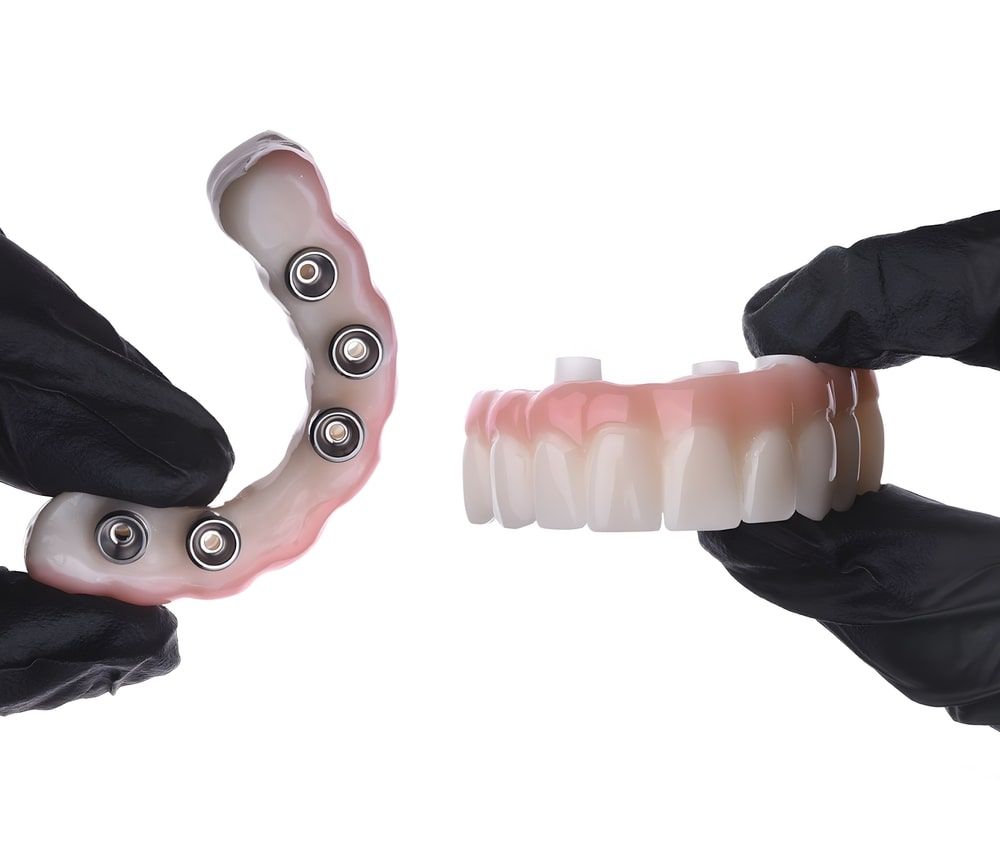
For patients in Chicago seeking full-arch tooth replacement, All-On-4 implants have revolutionized restorative dentistry. These restorations utilize four strategically placed implants to support an entire arch of teeth, offering a stable, long-lasting solution compared to traditional dentures. The precision of each restoration begins long before placement, with meticulous lab work ensuring a perfect fit, proper bite alignment, and aesthetic harmony. At New Teeth Chicago Dental Implants, understanding the role of dental laboratories in creating these restorations highlights why outcomes vary so dramatically between providers.
The All-on-4 approach was developed to maximize available bone and minimize the need for bone grafting, making it an ideal option for patients with moderate jawbone loss. Each implant acts as a foundation for the prosthetic teeth, meaning any minor misalignment during fabrication can impact function and comfort. This is where precision lab work becomes critical: every curve, contour, and angle is designed to mimic natural dentition while ensuring even force distribution across the implants. Patients who benefit from this process often notice a significant improvement in both chewing efficiency and overall oral comfort.
Precision in lab fabrication also allows for customization. From choosing the ideal shade of dental material to shaping teeth for a natural appearance, the laboratory team ensures that every aspect of the restoration matches the patient’s facial structure and personal preferences. This combination of artistry and engineering makes All-on-4 restorations not just functional, but also aesthetically pleasing.
The Role of Dental Laboratories
Dental laboratories play an essential role in creating successful All-on-4 restorations. Once impressions or digital scans are taken, lab technicians use advanced CAD/CAM technology to design the prosthetic. This digital planning allows for highly accurate measurements and minimizes the risk of errors during the final placement. The lab translates the dentist’s vision into a physical product, carefully adjusting for occlusion, bite, and spacing to ensure that the prosthetic fits seamlessly in the patient’s mouth.
A major benefit of this precision is the reduction of post-placement adjustments. Poorly fabricated restorations can lead to discomfort, uneven wear, or even implant failure due to improper load distribution. Laboratories with experience in All-on-4 designs use high-quality materials and cutting-edge techniques to create prosthetics that are both durable and lifelike. For patients, this means fewer visits for corrections and a smoother transition to a fully restored smile.
The collaboration between dentist and laboratory is continuous. The dentist provides detailed information on bite patterns, soft tissue contours, and aesthetic preferences, while the lab ensures that each element is incorporated into the final restoration. This teamwork is crucial for complex cases where multiple factors—such as jaw alignment, gum recession, or prior dental work—can affect the outcome.
Precision Lab Work and Functionality
One of the most tangible benefits of precision lab work is enhanced functionality. All-on-4 restorations must withstand significant biting and chewing forces, so the laboratory must carefully engineer the prosthetic to distribute stress evenly across the implants. Improperly fabricated teeth can create pressure points, leading to discomfort, implant loosening, or accelerated wear of the prosthetic.
Precision fabrication also ensures optimal occlusion—the way upper and lower teeth meet. Accurate occlusion prevents jaw strain, TMJ issues, and excessive stress on the implants, supporting long-term oral health. Patients often notice immediate improvements in comfort and efficiency when restorations are crafted with attention to detail. Foods that were previously difficult to eat with traditional dentures or compromised teeth become manageable, and overall oral function is restored in a natural, seamless way.
Lab work also impacts speech clarity. Even slight misalignments in tooth positioning can affect pronunciation, especially with certain consonants. By ensuring that prosthetic teeth follow the natural curvature of the jaw and align perfectly with the opposing arch, precision lab fabrication helps patients speak clearly and confidently after their restoration.
Aesthetics and Personalized Design
While functionality is critical, aesthetics are equally important for patient satisfaction. Precision lab work allows for customization of tooth shape, size, and color, creating a smile that looks natural and complements the patient’s facial features. The lab team can adjust translucency, texture, and contouring to replicate the appearance of real teeth. This attention to detail is essential for All-on-4 restorations, as they are highly visible and a central aspect of the patient’s overall appearance.
Patients benefit from digital previews and mock-ups before the final prosthetic is manufactured. These tools allow dentists to collaborate with lab technicians to make adjustments based on patient feedback, ensuring that expectations align with the final outcome. Whether a patient desires a subtle enhancement or a full cosmetic transformation, precision lab work guarantees that the final restoration is tailored to their needs.
Aesthetic considerations also extend to the integration with surrounding oral tissues. The lab carefully designs gum contours and tooth emergence profiles to create a seamless transition from natural gum to prosthetic teeth. This attention to detail enhances both appearance and hygiene, as properly contoured restorations are easier to clean and maintain over time.
Long-Term Benefits of Precise Fabrication
Investing in precision lab work has long-term benefits for patients receiving All-on-4 restorations. High-quality fabrication reduces the risk of mechanical failure, uneven wear, or the need for frequent adjustments. Durable materials combined with accurate engineering extend the lifespan of the prosthetic, providing years of reliable function.
Another advantage is the preservation of oral health. Precisely fabricated restorations protect the implants and surrounding bone by ensuring even load distribution, which minimizes bone resorption and soft tissue irritation. This proactive approach helps maintain the integrity of the jaw and supports long-term success, reducing the likelihood of costly corrective procedures.
Patients also benefit psychologically. Confidence in the fit, appearance, and function of the restoration encourages social engagement and improves quality of life. Knowing that their smile is supported by meticulous craftsmanship gives patients peace of mind and satisfaction that goes beyond simple oral function.
Choosing the Right Team for Your Restoration
The success of an All-on-4 restoration depends not only on surgical expertise but also on the quality of laboratory collaboration. Working with dental professionals who prioritize precision, digital planning, and aesthetic customization ensures optimal outcomes. High-quality lab work and careful attention to detail directly impact comfort, longevity, and overall satisfaction.
Patients considering full mouth reconstruction or same-day dental implants benefit from understanding how laboratory precision enhances these procedures. While surgery provides the foundation, the prosthetic crafted in the lab determines the patient’s day-to-day experience with their smile. Choosing a team that emphasizes both technical accuracy and aesthetic refinement is essential for anyone seeking long-lasting results with All-on-4 restorations.
At New Teeth Chicago Dental Implants in Chicago, IL, patients can gain a deeper appreciation for how precision lab work influences the success of complex restorative procedures. From function to appearance, every detail matters in creating a smile that is both reliable and beautiful.
Resources:
Naert, I., et al. (1994). A 10-Year Prospective Study of Implant-Supported Prostheses in Edentulous Patients. Journal of Prosthetic Dentistry.
Mangano, F., et al. (2015). Clinical and Technical Outcomes of All-on-4 Implants: A Systematic Review. Clinical Implant Dentistry and Related Research.
Chrcanovic, B. R., et al. (2014). Factors Affecting Long-Term Success of Dental Implants. Journal of Dentistry.