

Published
10 minute read
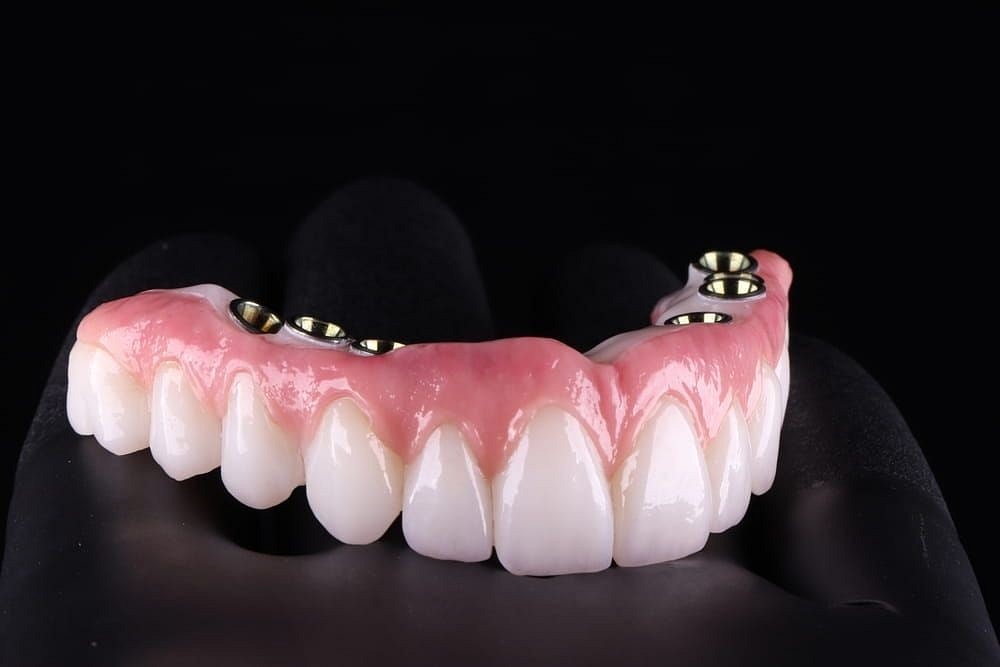
When patients explore full-arch tooth replacement, much of the initial conversation naturally focuses on dental implants. However, the material used to create the visible teeth and gums above those implants is another important part of the treatment plan. Acrylic and zirconia are two commonly discussed materials for full-arch implant-supported restorations, and each has characteristics that can influence appearance, durability, maintenance, repairability, and cost. Research suggests that both approaches can produce successful outcomes, although their patterns of wear and complications differ.
At New Teeth Chicago Dental Implants in Chicago, IL, patients researching tooth replacement with Dr. Irfan Atcha may encounter terms such as acrylic hybrid, zirconia bridge, fixed denture, and full-arch restoration. Understanding these terms can make treatment discussions easier. There is no single material that is automatically right for every patient. The condition of the jaw, implant positioning, available restorative space, bite forces, opposing teeth, cosmetic preferences, and long-term maintenance expectations can all influence material selection.
Acrylic full-arch restorations typically use acrylic resin teeth and gum-colored material over a supporting framework, often made from metal. Acrylic has a long history in prosthodontics and remains an important restorative material because it can reproduce both teeth and gum tissue while remaining relatively lightweight. Metal-acrylic hybrid prostheses are also generally easier to repair than many ceramic alternatives.
Acrylic restorations can be associated with treatments such as All-On-4 Implants and other types of implant-supported full-arch rehabilitation. Unlike a conventional removable denture that primarily rests on the gums, a fixed implant-supported prosthesis obtains its support from dental implants. This can provide greater stability during speaking and chewing, although patients still need to clean carefully underneath and around the prosthesis.
One advantage of acrylic is its relative flexibility from a restorative standpoint. If an individual prosthetic tooth becomes damaged or part of the acrylic fractures, repair may be possible without replacing the entire restoration. However, acrylic is also susceptible to wear, tooth fracture, debonding, and other mechanical complications over time, so patients should expect ongoing professional maintenance rather than viewing the restoration as permanently maintenance-free.
Zirconia is a high-strength ceramic material that has become increasingly important in implant and restorative dentistry. Modern CAD/CAM technology allows dental laboratories to digitally design and mill large restorations from zirconia. Full-arch zirconia prostheses may be monolithic, meaning much of the restoration is produced from a single zirconia structure, or they may incorporate additional materials in selected areas.
One of zirconia’s most notable characteristics is its strength and resistance to wear. It also offers good color stability and generally accumulates less plaque than resinous materials, although that does not eliminate the need for careful hygiene. For patients receiving extensive treatment such as Full Mouth Reconstruction, material durability may be one of several considerations when developing a long-term restorative plan.
Zirconia can also produce highly detailed, natural-looking tooth shapes. Its surface can maintain its finish and coloration well, which may appeal to patients concerned about long-term aesthetics. However, zirconia’s strength also means that bite design and the condition of opposing teeth or restorations deserve careful attention. Studies have identified wear of opposing restorations as one possible complication in some zirconia full-arch cases.
The difference between acrylic and zirconia becomes particularly noticeable when considering how the materials respond to years of chewing. Acrylic is softer and therefore tends to experience more gradual surface wear. Posterior teeth may flatten over time, and individual prosthetic teeth can occasionally chip, fracture, or separate from the supporting structure. A systematic review published in 2026 found wear-related complications were reported more frequently in metal-acrylic complete-arch prostheses.
Zirconia is considerably more wear-resistant. A recent systematic review and meta-analysis comparing metal-zirconia and metal-acrylic complete-arch implant prostheses found significantly less prosthetic wear with the zirconia group, although the authors emphasized limitations in the available evidence. Earlier research has likewise reported encouraging survival outcomes for zirconia full-arch restorations.
Durability, however, should not be interpreted as indestructibility. Zirconia restorations can experience chipping, fractures, or other complications, particularly when additional veneering ceramics are incorporated into the design. Acrylic can also remain functional for many years with appropriate maintenance and timely repairs. Individual habits such as grinding or clenching, the opposing dentition, implant arrangement, bite forces, and prosthesis design can influence outcomes regardless of material.
Acrylic and zirconia can both create dramatic cosmetic improvements when replacing an entire arch of missing or failing teeth. Acrylic provides considerable flexibility in shaping the artificial teeth and gum-colored portions of the prosthesis. Because the teeth and gingival material can be individually characterized, skilled laboratory technicians can create convincing results.
Zirconia is also valued for aesthetics, particularly because it can maintain its surface characteristics and color over time. Modern zirconia restorations can be designed with detailed contours and individualized staining to create variations similar to natural teeth. The final appearance depends on much more than the material itself, however. Tooth proportions, smile line, lip support, facial features, gum display, and laboratory artistry all contribute to the result.
Patients should also understand that acrylic and zirconia may feel different during chewing. Zirconia is a very rigid material, while acrylic provides a somewhat different mechanical response. Some patients notice differences in sound or sensation depending on what is present in the opposing arch. These considerations can be especially important when both arches are being restored.
One of acrylic’s practical advantages is repairability. Because acrylic teeth and resin can often be modified or replaced, certain chips, worn areas, or fractured teeth may be relatively straightforward to address. This does not mean every acrylic problem is a simple repair, since damage to the underlying framework or extensive prosthesis failure can require more involved treatment.
Zirconia’s strength generally means it is less prone to the type of routine tooth wear commonly associated with acrylic restorations. Research comparing long-term zirconia and metal-acrylic implant prostheses has found fewer delayed complications in zirconia groups in some studies. However, zirconia restorations typically have a higher initial fabrication cost, and certain types of major damage can be more complicated to manage.
Patients considering Fixed Dentures should therefore think beyond the initial restoration. Long-term care is part of implant treatment regardless of which material is selected. A prosthesis may feel permanent because the patient does not remove it each night, but professional monitoring remains necessary.
Neither acrylic nor zirconia eliminates the need for daily oral hygiene. Although artificial teeth cannot develop cavities, bacteria and plaque can accumulate around the implants and along the interface between the prosthesis and gum tissue. The tissues and bone supporting dental implants remain biologically active and can develop inflammation or disease.
Patients may need specialized floss, floss threaders, interdental brushes, or oral irrigators to reach beneath a full-arch restoration. The exact tools and techniques should be recommended by the dental team because prosthesis designs and the spaces underneath them vary. Cleaning should focus particularly on the areas where the prosthesis meets the gum tissue and around each implant connection.
Professional maintenance is equally important. The American College of Prosthodontists emphasizes long-term maintenance for full-arch implant restorations and notes the importance of prosthetic design in managing mechanical and biological complications. During follow-up visits, the dental team can evaluate the restoration, implants, surrounding tissues, bite, screws or prosthetic components, and areas that may be difficult for the patient to inspect at home.
Acrylic is generally associated with a lower initial restorative cost than zirconia, which can make it attractive for patients balancing treatment needs with financial considerations. Because acrylic is also relatively repairable, certain future complications can potentially be managed without remaking an entire prosthesis.
Zirconia usually requires more advanced manufacturing and has a higher initial cost. One long-term retrospective analysis found a significantly higher fabrication cost for zirconia compared with metal-acrylic prostheses. However, that same research found zirconia restorations had fewer delayed complications and higher prosthetic survival at five years in the study population. Cost comparisons therefore need to consider both initial treatment and potential maintenance over time.
Patients should avoid choosing a material based exclusively on price. The more useful question is which material provides an appropriate balance of function, aesthetics, maintenance, durability, and affordability for the individual’s circumstances. A restoration that works exceptionally well for one patient’s bite may not necessarily be the best solution for another.
Bite forces deserve particular attention with full-arch implant restorations because implants interact with the jaw differently than natural teeth. Natural teeth are surrounded by periodontal ligaments that provide sensory feedback and a small degree of movement. Dental implants are directly integrated with bone and do not have the same ligament system.
Patients who grind or clench their teeth may place greater stress on the prosthesis and its components. Bruxism and lack of a protective occlusal appliance have been associated with increased complications in studies of fixed implant-supported prostheses. A clinician may therefore evaluate signs of grinding, muscle activity, wear patterns, opposing restorations, and other factors before recommending a restorative material.
The opposing arch also matters. A zirconia restoration contacting another highly rigid restoration creates a different mechanical environment than zirconia opposing natural teeth or a conventional denture. This is why material selection is not simply a comparison of which option is “stronger.” The entire chewing system must be considered.
Acrylic may appeal to patients looking for a proven material that can provide attractive results, has a lower initial cost in many situations, and is generally easier to modify or repair. Its primary disadvantages involve greater susceptibility to wear, staining, fracture, or debonding over time. Patients choosing acrylic should be prepared for the possibility of periodic restorative maintenance.
Zirconia may appeal to patients prioritizing wear resistance, color stability, strength, and a highly polished ceramic restoration. Research on zirconia full-arch prostheses has shown encouraging clinical outcomes, although investigators continue to emphasize the need for more high-quality, long-term comparative research. Its disadvantages can include greater initial expense, technical complexity, and more involved management if certain major complications occur.
Ultimately, the decision should be based on a complete clinical evaluation rather than a universal ranking of materials. Implant position, available space, bone anatomy, bite forces, cosmetic goals, opposing teeth, hygiene ability, budget, and maintenance expectations should all be considered.
Whether a patient ultimately receives an acrylic or zirconia restoration, the long-term goal is the same: maintaining healthy supporting tissues while protecting the implants and prosthesis from avoidable complications. Daily cleaning, professional examinations, appropriate maintenance visits, and attention to changes in the bite are essential. Patients should contact their dental professional if they notice movement, unusual clicking, fractures, discomfort, swelling, bleeding, or a change in how the teeth come together.
For patients researching full-arch tooth replacement in Chicago, understanding the differences between restorative materials can make conversations about treatment much more productive. New Teeth Chicago Dental Implants and Dr. Irfan Atcha can be part of the educational process as patients consider how durability, aesthetics, repairability, hygiene, and long-term maintenance fit into their individual goals. Acrylic and zirconia each have meaningful advantages, and the most appropriate choice depends on creating a restoration that works with the patient as a whole.
Pieralli, S., Kohal, R. J., Jung, R. E., Vach, K., & Spies, B. C. (2018). Clinical Outcomes of Partial and Full-Arch All-Ceramic Implant-Supported Fixed Dental Prostheses: A Systematic Review and Meta-Analysis. Clinical Oral Implants Research.
Bidra, A. S., Daubert, D. M., Garcia, L. T., et al. (2016). Clinical Practice Guidelines for Recall and Maintenance of Patients with Tooth-Borne and Implant-Borne Dental Restorations. Journal of Prosthodontics.
Marinkovic, D., Gutiérrez, R., Frey, M., Collao, F., Moreno, Y., & Miranda, C. (2026). Prosthetic and Biological Complications of Metal-Zirconia versus Metal-Acrylic Implant-Supported Screw-Retained Complete-Arch Prostheses: A Systematic Review and Meta-Analysis. Journal of Clinical and Experimental Dentistry.



