

Published
7 minute read
Dental implants are one of the most reliable ways to replace missing teeth because they are designed to function like natural tooth roots. They support chewing, help preserve jaw structure, and can anchor crowns, bridges, or full-arch restorations. However, successful implant treatment depends on having enough healthy bone in the right location.
Many patients are surprised to learn that missing teeth can lead to bone loss over time. When a tooth root is no longer present, the jawbone in that area no longer receives the same stimulation from chewing forces. The body may gradually resorb, or shrink, the unused bone. This can reduce the height, width, or density needed to securely place an implant.
At New Teeth Chicago Dental Implants, patients in Chicago, IL often research why additional procedures such as bone grafts or sinus lifts may be recommended before implants. These treatments are not setbacks. They are often important steps that help create a stronger, safer, and longer-lasting foundation for tooth replacement.
The jawbone is living tissue that responds to use. Natural tooth roots transmit pressure into the bone during biting and chewing, helping maintain its structure. Once a tooth is lost, that stimulation decreases. Over months and years, the surrounding bone may become thinner and weaker.
Bone loss can happen for several reasons beyond missing teeth. Periodontal disease, infections, trauma, long-term denture wear, smoking, and certain medical conditions may all affect bone quality. Some people also naturally have less available bone in specific areas of the mouth, especially in the upper back jaw.
This matters because implants need stability. If the bone is too narrow, too shallow, or too soft, placing an implant without preparation may compromise the result. Procedures that rebuild or improve the site can increase the likelihood of long-term success.
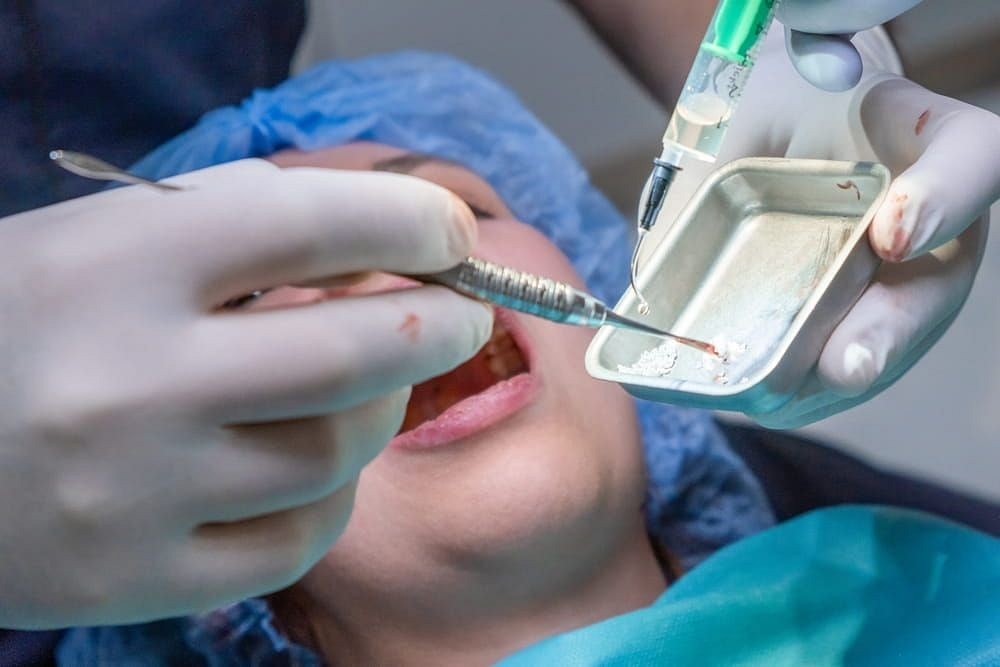
A bone graft is a procedure used to add or rebuild bone in an area where volume has been lost or is insufficient. The graft material acts as a framework that supports new bone growth as the body heals. Over time, the site can become stronger and more suitable for implant placement.
Bone grafting materials may come from different sources, including the patient’s own bone, donor tissue, synthetic materials, or mineral-based graft substitutes. The best option depends on the size of the defect, treatment goals, medical history, and provider preference.
Bone grafts may be used after an extraction, before implant placement, during implant surgery, or to repair larger areas of loss. For many patients, this added step helps preserve options that might otherwise be limited.
A graft is not required for every implant patient, but it can be very valuable in certain situations. The need is usually determined through imaging, examination, and treatment planning.
Patients considering Same-Day Dental Implants, All-On-4 Implants, or Full Mouth Reconstruction may hear about grafting during the planning process depending on their anatomy.
A sinus lift, also called sinus augmentation, is a specialized grafting procedure used in the upper back jaw. In this area, the maxillary sinus sits above the roots of the upper molars and premolars. After tooth loss, bone between the mouth and sinus may become too thin for implant placement.
During a sinus lift, the sinus membrane is gently elevated and graft material is placed beneath it. This creates more vertical bone height over time, allowing implants to be placed where there was previously not enough support.
Although the name may sound intimidating, sinus lifts are common in implant dentistry. They are performed because the anatomy of the upper jaw can present unique challenges, not because something is necessarily wrong. For many patients, this procedure opens the door to stable implant treatment in areas that would otherwise be difficult to restore.
Treatment begins with a thorough evaluation. Digital imaging such as 3D scans helps measure bone volume, identify sinus position, and guide precise planning. This step is important because every patient’s anatomy is different.
If grafting is needed, the timing can vary. Some patients receive a graft first and allow healing before implants are placed. Others may be candidates for grafting and implant placement during the same appointment. Healing time depends on the size of the graft, the area treated, and individual biology.
Comfort measures are also part of modern care. Local anesthesia is typically used, and some patients may discuss options such as Sedation Dentistry Dentist services if they feel anxious about treatment.
Patients sometimes worry that needing an additional procedure means treatment is becoming more complicated than expected. In reality, these procedures are often recommended to improve predictability. A well-prepared foundation can support better implant stability, function, and long-term durability.
Skipping necessary preparation may increase the risk of poor implant positioning or inadequate support. That can affect chewing performance, esthetics, hygiene access, or longevity. Taking time to build the site properly can protect the final investment.
In many cases, the goal is not just placing an implant—it is placing it in the right position with the right support. That distinction is important for outcomes that look natural and feel secure.
Recovery varies based on the size and type of graft. Many patients describe soreness, swelling, or mild pressure for a few days. Instructions often include avoiding smoking, following oral hygiene guidance, and attending follow-up visits.
For sinus lift patients, providers may also recommend avoiding forceful nose blowing or sneezing with the mouth closed during early healing. These precautions help protect the surgical area as it stabilizes.
Healing is gradual because the body needs time to integrate the graft and develop stronger bone. While this waiting period requires patience, it is often a key reason the final implant restoration can perform well for years to come.
Once the site is ready, implants can support a range of restorative solutions depending on how many teeth are missing and the patient’s goals. Some patients need a single implant crown, while others need broader reconstruction.
Possible next steps may include Crowns and Bridges, Implant Supported Dentures, Fixed Dentures Dentist, or advanced solutions such as Zygomatic Implants Dentist for severe upper jaw bone loss in select cases.
The right plan depends on anatomy, budget, health factors, and the desired balance of function, appearance, and convenience.
Bone grafts and sinus lifts are sometimes needed because replacing teeth successfully is about more than the visible crown. The jawbone beneath the gums plays a major role in stability, comfort, and long-term results. When that foundation needs improvement, modern grafting techniques can help restore what was lost.
For patients in Chicago, IL exploring implant options, learning why these procedures are recommended can make the process feel more understandable and less intimidating. New Teeth Chicago Dental Implants encourages patients to view grafting and sinus augmentation as strategic steps that often help create stronger, healthier, and more dependable smiles.
Aghaloo, T., & Moy, P. K. (2007). Which Hard Tissue Augmentation Techniques Are the Most Successful in Furnishing Bony Support for Implant Placement? International Journal of Oral and Maxillofacial Implants.
Jensen, O. T., & Terheyden, H. (2009). Bone Augmentation Procedures in Localized Defects in the Alveolar Ridge: Clinical Results With Different Bone Grafts and Bone-Substitute Materials. International Journal of Oral and Maxillofacial Implants.
Wallace, S. S., & Froum, S. J. (2003). Effect of Maxillary Sinus Augmentation on the Survival of Endosseous Dental Implants. Annals of Periodontology.



