

Published
6 minute read
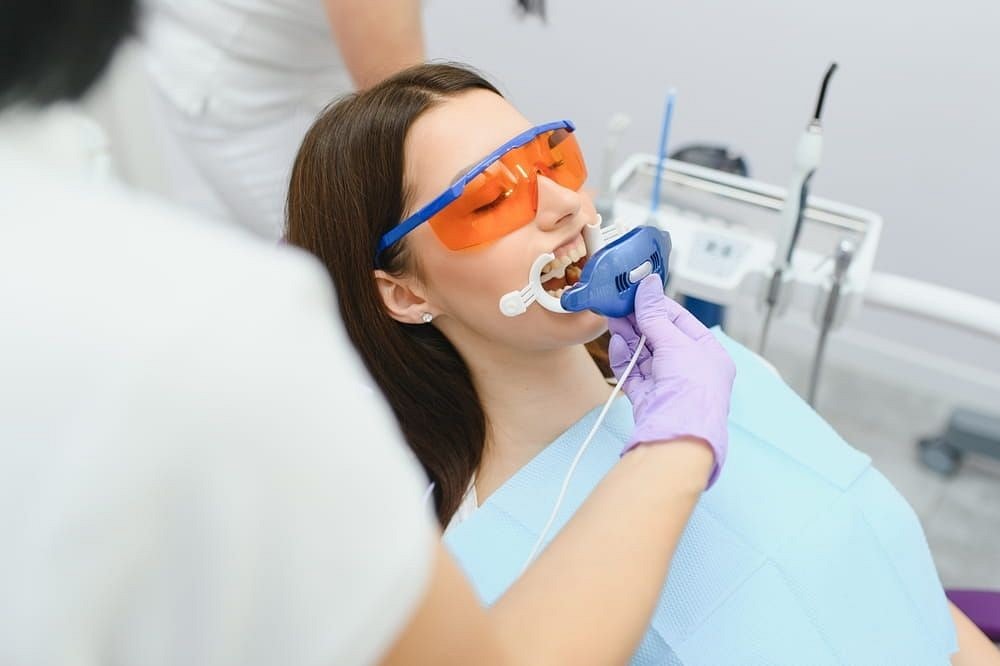
Teeth whitening is one of the most requested cosmetic dental topics because many people want a brighter, cleaner-looking smile without major treatment. Whitening products are widely advertised, and professional options have become more popular than ever. As a result, patients often assume every tooth and every dental restoration will respond the same way to whitening treatments.
That assumption can lead to disappointment. Natural enamel and restorative materials are very different surfaces. While whitening can be effective for many natural teeth, it does not always change the color of crowns, veneers, bonding, bridges, dentures, or implants. Understanding this difference helps patients make better decisions before starting treatment.
At New Teeth Chicago Dental Implants, many people in Chicago, IL search for ways to improve the appearance of both natural teeth and previous dental work. The best first step is learning what whitening can realistically achieve and when replacement or alternative cosmetic treatment may be the better option.
Professional whitening products are designed to break apart stain molecules that collect within or on natural tooth enamel. Common causes of discoloration include coffee, tea, red wine, tobacco, aging, and certain foods. Whitening agents can lighten many of these stains by penetrating the enamel and changing how color is reflected.
Results vary from person to person. Some patients see dramatic brightening, while others experience more modest improvement depending on the cause and depth of staining. Yellow-toned discoloration often responds better than gray or internally stained teeth. Existing enamel thickness and oral habits also play a role.
For patients with healthy natural teeth, whitening can be a conservative cosmetic option before considering more extensive treatment such as Veneers or Dental Bonding. A professional evaluation helps determine whether whitening is likely to meet cosmetic goals.
Dental restorations are made from materials such as porcelain, ceramic, composite resin, acrylic, or metal-supported structures. These materials do not contain living enamel, so they do not absorb whitening agents the same way natural teeth do. That means whitening gel may have little or no effect on their shade.
This becomes especially noticeable when someone has a mix of natural teeth and restorations in visible areas of the smile. Natural teeth may lighten after whitening, while crowns or bonding stay the same color. The result can create uneven shades between teeth.
That does not mean whitening should never be considered. It simply means planning matters. In many cases, whitening natural teeth first and then updating visible restorations afterward can create a more consistent appearance.
Porcelain crowns and bridges are designed to maintain their selected shade over time. They can collect surface stains from food, beverages, or smoking, but internal color usually does not change with whitening products. Sometimes a professional cleaning can remove external buildup and improve brightness without replacing the restoration.
Older crowns may appear darker or more noticeable because surrounding natural teeth have changed color over the years. Gum recession, wear, or aging adjacent teeth can also make a once-matching crown stand out. In those situations, the issue may be contrast rather than damage.
If a visible crown or bridge no longer blends with the smile, replacing it may be the most predictable cosmetic solution. Patients considering updates to older restorations may also explore modern options like Crowns and Bridges for improved esthetics and function.
Porcelain veneers are highly stain resistant, which is one reason many patients choose them. However, like crowns, veneers do not typically whiten the way enamel does. If the shade no longer matches surrounding teeth, replacement may be required to significantly change color.
Composite bonding behaves a bit differently. Bonding material can pick up stains over time, especially from coffee, tea, tobacco, or pigmented foods. While whitening does not usually lighten the resin itself, polishing or replacing bonding may improve appearance.
For small cosmetic concerns, refreshed Dental Bonding may be enough. For broader smile changes, veneers or other cosmetic restorations may provide a more uniform result after whitening adjacent natural teeth.
Dental implants restore missing teeth, but the visible tooth attached to the implant is a restoration rather than natural enamel. This means the crown or bridge on an implant will not whiten like natural teeth. If surrounding teeth are whitened significantly, the implant restoration may need to be updated for a match.
The same concept applies to larger prosthetic solutions. Acrylic or porcelain teeth used in dentures and implant-supported systems maintain their manufactured shade. Whitening gels are not designed to produce the same effect they do on enamel.
Patients considering a complete smile upgrade may review treatments such as Same-Day Dental Implants, Implant Supported Dentures, Fixed Dentures Dentist, All-On-4 Implants, or Full Mouth Reconstruction when they want both color improvement and functional restoration.
Even if some restorations will not whiten, treatment may still be worthwhile in the right situation. If restorations are in back teeth or are not visible when smiling, whitening natural front teeth may create a noticeable cosmetic improvement. Some patients are very satisfied with brightening the natural teeth they see most.
Whitening can also be useful as part of a phased treatment plan. For example, a patient may whiten first, allow the final shade to stabilize, and then replace older visible restorations to match the new color. This approach can prevent needing to redo work twice.
The key is realistic expectations. Whitening is often effective, but it is not a universal solution for every material in the mouth.
Whether teeth are natural or restored, daily habits affect appearance over time. Brushing, flossing, routine professional cleanings, and limiting stain-causing beverages can help preserve results. Using a straw for dark drinks and rinsing with water afterward may also reduce surface staining.
Patients who grind their teeth may benefit from protective appliances because chipping or wear can shorten the life of restorations. Regular checkups also allow early correction of small cosmetic issues before they become larger concerns.
Most importantly, avoid overusing whitening products without guidance. Excessive or inappropriate whitening can increase sensitivity and may not improve restorations at all.
The truth about whitening and restored teeth is simple: natural enamel often responds well, while crowns, veneers, bonding, implants, and dentures may not change the same way. That does not make whitening ineffective—it just means treatment should be personalized.
For patients in Chicago, IL researching cosmetic dental options, understanding the difference between natural teeth and restorations can save time and frustration. New Teeth Chicago Dental Implants encourages patients to explore whitening, restorative updates, and smile design solutions based on what will create the most natural and lasting result for their specific smile.
Joiner, A. (2006). The Bleaching of Teeth: A Review of the Literature. Journal of Dentistry.
Carey, C. M. (2014). Tooth Whitening: What We Now Know. Journal of Evidence Based Dental Practice.
Kwon, S. R., & Wertz, P. W. (2015). Review of the Mechanism of Tooth Whitening. Journal of Esthetic and Restorative Dentistry.



