

Published
7 minute read
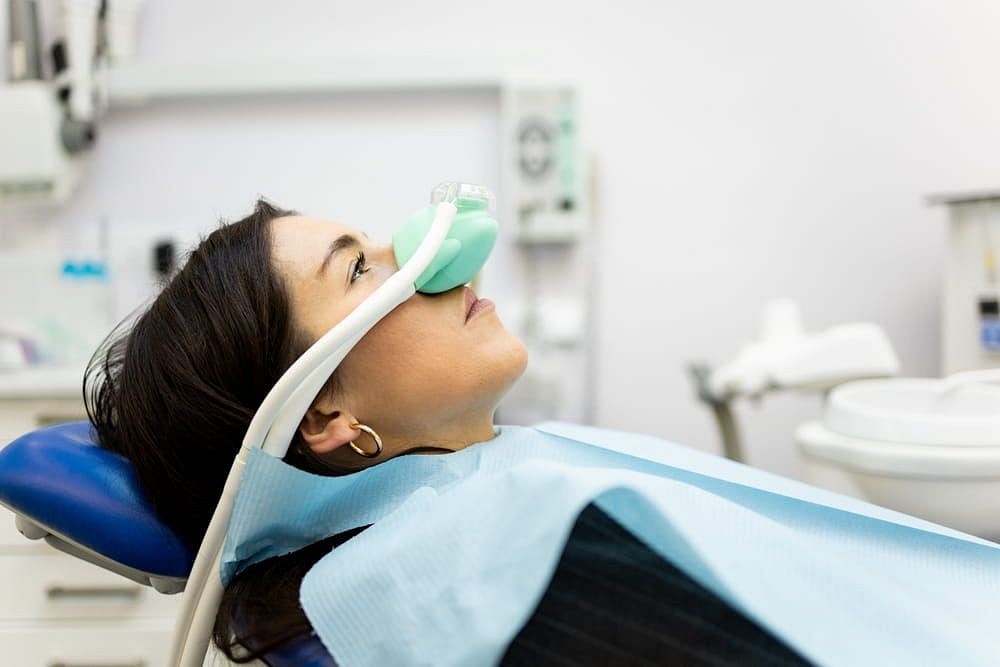
For many people, the thought of sitting in a dental chair creates immediate stress. Some patients worry about pain, while others feel uneasy because of sounds, smells, needles, or past negative experiences. Dental anxiety can range from mild nervousness before an appointment to severe fear that causes someone to delay care for years. This hesitation often leads to worsening oral health problems that become more complicated over time.
At New Teeth Chicago Dental Implants, patients in Chicago, IL often search for answers about how modern dentistry can feel different from what they remember. The good news is that dental care has advanced significantly. Today’s tools, comfort options, and sedation methods are designed to create a calmer experience while helping patients receive the treatment they need in a more manageable way.
Dental anxiety should never be viewed as weakness or embarrassment. It is a common response, and dental teams are increasingly aware of how important patient comfort is to successful treatment. Recognizing fear early and learning about available solutions can make it easier to take the first step toward better oral health.
When anxiety keeps someone away from the dentist, small issues can develop into larger concerns. A minor cavity may become a deep infection. Mild gum inflammation can progress into periodontal disease. Teeth that could have been repaired early may eventually need crowns, implants, or more extensive treatment.
Avoidance can also create a cycle of stress. The longer someone waits, the more they may worry about what will be found during the appointment. That fear then causes more delay, which can increase the chance of needing more involved procedures later. Breaking this cycle is one of the most important benefits of anxiety-friendly dental care.
For patients who have missing or severely damaged teeth, treatment options such as Same-Day Dental Implants, Full Mouth Reconstruction, or All-On-4 Implants may help restore function and confidence. Addressing anxiety first often makes it possible to move forward with these life-changing solutions.
Sedation dentistry refers to techniques used to help patients feel calmer and more comfortable during dental treatment. Sedation can range from mild relaxation to deeper levels of comfort, depending on the procedure, the patient’s medical history, and the level of anxiety involved. The goal is not simply sleep or unconsciousness. In many cases, it is about reducing tension and helping time feel easier to manage.
Patients sometimes assume sedation is only for major surgery, but that is not true. It may be considered for cleanings, fillings, implant procedures, extractions, or restorative care when anxiety is preventing treatment. It can also be useful for people with a strong gag reflex, difficulty sitting still, or sensitivity to dental sensations.
Many people exploring options for fear-free care begin by learning about Sedation Dentistry Dentist services and how they may apply to their needs. A consultation with a dental professional is the best way to determine which option is appropriate.
Different forms of sedation may be recommended depending on the patient and treatment plan. Some methods create light relaxation, while others provide deeper comfort. The right choice depends on health history, procedure length, and personal preferences.
Patients are carefully monitored throughout treatment, and safety protocols are an essential part of modern dental sedation. A qualified provider reviews medications, medical conditions, and treatment goals before recommending any approach.
Sedation is only one part of the solution. Modern dentistry has introduced tools and techniques that make care gentler, faster, and more predictable. Many anxious patients feel more comfortable once they understand how much has changed compared with older dental experiences.
Digital imaging allows detailed views with less discomfort and often less radiation than traditional methods. Improved numbing techniques can make injections easier and more precise. Advanced restorative materials allow natural-looking repairs with efficient treatment planning. In many cases, technology also reduces the number of appointments required.
For patients with damaged or missing teeth, treatments such as Crowns and Bridges, Veneers, or Dental Bonding can now be completed with materials designed for both function and appearance. When care feels more comfortable and results look natural, patients often feel more motivated to continue treatment.
Technology and sedation are valuable, but emotional comfort also depends on communication. Many anxious patients feel better when they know what to expect before treatment begins. A clear explanation of each step can reduce uncertainty and help build trust.
Simple accommodations can make a major difference. Patients may benefit from agreed-upon hand signals, breaks during treatment, noise-canceling headphones, or a slower pace. Some people prefer to ask questions in advance, while others feel calmer with minimal detail. Personalized care often leads to a more positive experience.
Trust develops over time. A supportive dental environment can help patients replace old memories of fear with new experiences of calm and control. That shift often becomes the turning point that allows long-term oral health improvement.
Patients with dental anxiety can take several steps before an appointment to improve comfort. Scheduling morning visits may reduce the time spent worrying during the day. Practicing deep breathing or guided relaxation beforehand can help regulate stress levels.
It is also helpful to be honest about fear. Letting the dental team know about past experiences, triggers, or specific concerns gives them the opportunity to adjust the approach. Bringing a trusted friend or using comforting distractions such as music may also help.
For patients considering larger restorative solutions like Implant Supported Dentures, Fixed Dentures Dentist, or Zygomatic Implants Dentist, starting with an informational consultation can be a low-pressure way to explore options without committing to treatment the same day.
Dental anxiety is real, but it does not have to control oral health decisions. Modern sedation methods, improved technology, and patient-centered communication have changed the dental experience for many people. What once felt overwhelming may now be far more manageable than expected.
For individuals researching solutions in Chicago, IL, education is the first step toward progress. New Teeth Chicago Dental Implants encourages patients to learn about comfort-focused dentistry, ask questions, and explore options that make care feel possible again. With the right support, a healthier smile can become much easier to achieve.
Armfield, J. M., & Heaton, L. J. (2013). Management of Fear and Anxiety in the Dental Clinic: A Review. Australian Dental Journal.
Appukuttan, D. P. (2016). Strategies to Manage Patients with Dental Anxiety and Dental Phobia. Clinical, Cosmetic and Investigational Dentistry.
Locker, D., Liddell, A., & Shapiro, D. (1999). Diagnostic Categories of Dental Anxiety: A Population-Based Study. Behaviour Research and Therapy.



