

Published
3 minute read
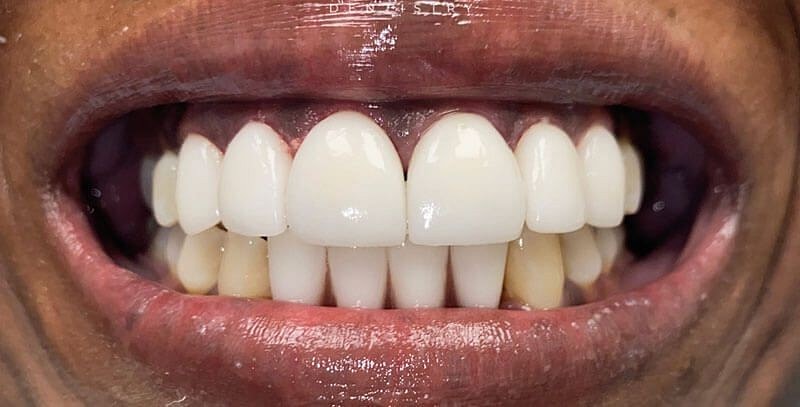
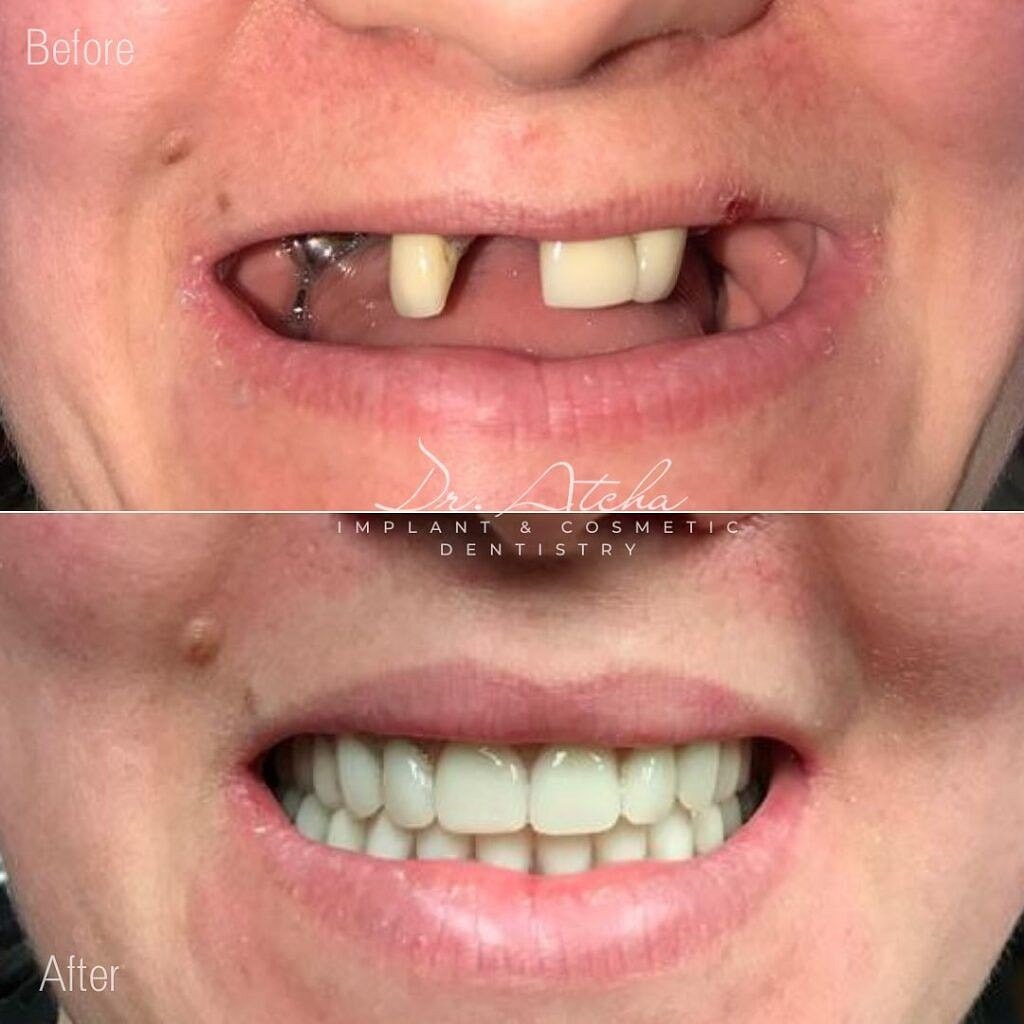
When it comes to restoring a natural smile and enhancing oral functionality, dentures have long been a reliable solution. However, traditional dentures can sometimes pose challenges such as instability and discomfort. Enter implant-supported dentures—a modern and innovative approach that offers significant improvements in stability, comfort, and overall oral health. By securely anchoring the dentures to dental implants, this solution not only provides a more natural feel but also helps preserve the jawbone and facial structure. In this blog, we’ll explore the ins and outs of implant-supported dentures, including the procedure, benefits, and maintenance, to help you understand why this option might be the perfect fit for your dental needs.
Implant-supported dentures are a cutting-edge dental solution designed to provide enhanced stability and comfort compared to traditional dentures. Unlike conventional dentures that rest on the gums and rely on adhesives or suction to stay in place, implant-supported dentures are anchored directly to the jawbone using dental implants. These implants are small titanium posts surgically inserted into the bone, acting as artificial tooth roots that secure the dentures firmly in place.
One of the most significant differences between traditional dentures and implant-supported dentures is the level of stability. Traditional dentures can shift, slip, or cause sore spots due to their reliance on the gum surface for support. In contrast, implant-supported dentures are anchored to implants, providing a secure fit that prevents movement and enhances overall comfort.
Traditional dentures do not interact with the jawbone, which can lead to bone resorption over time. Without the stimulation that natural teeth or implants provide, the jawbone can deteriorate, resulting in changes to facial structure and fit of the dentures. Implant-supported dentures stimulate the jawbone similarly to natural teeth, helping to preserve bone density and maintain facial aesthetics.
Implant-supported dentures offer a more natural feel and function compared to traditional options. They allow for more efficient chewing and clearer speech, as the secure fit eliminates the common issues of slippage and discomfort. This improvement in functionality can significantly enhance the quality of life for denture wearers.
Understanding these differences highlights the advantages of implant-supported dentures. They not only address the common issues associated with traditional dentures but also provide long-term benefits for oral health and overall well-being.
Implant-supported dentures come in various forms, each offering unique benefits and catering to different patient needs. The primary types are bar-retained dentures, ball-retained (stud-attachment) dentures, and fixed implant-supported dentures (All-on-4). Understanding these options can help patients make informed decisions about their dental care.
Type | Description | Advantages | Considerations/Drawbacks |
|---|---|---|---|
| Bar-Retained Dentures | Denture attaches to a metal bar connected to implants | Excellent stability, easy removal and cleaning, distributes biting force evenly | Requires more implants, more complex design |
| Ball-Retained (Stud-Attachment) Dentures | Denture snaps onto ball-shaped attachments on implants | Simple attachment, easy insertion/removal, fewer implants needed | Slightly less stable, can be bulkier |
| Fixed Implant-Supported Dentures (All-on-4) | Full arch of teeth supported by four implants, non-removable | Maximum stability, feels like natural teeth, no need for removal | More invasive surgery, higher cost, requires excellent bone quality |
Published
11 minute read
Understanding these types of implant-supported dentures and their respective benefits and drawbacks can help patients choose the most suitable option for their specific needs and preferences.
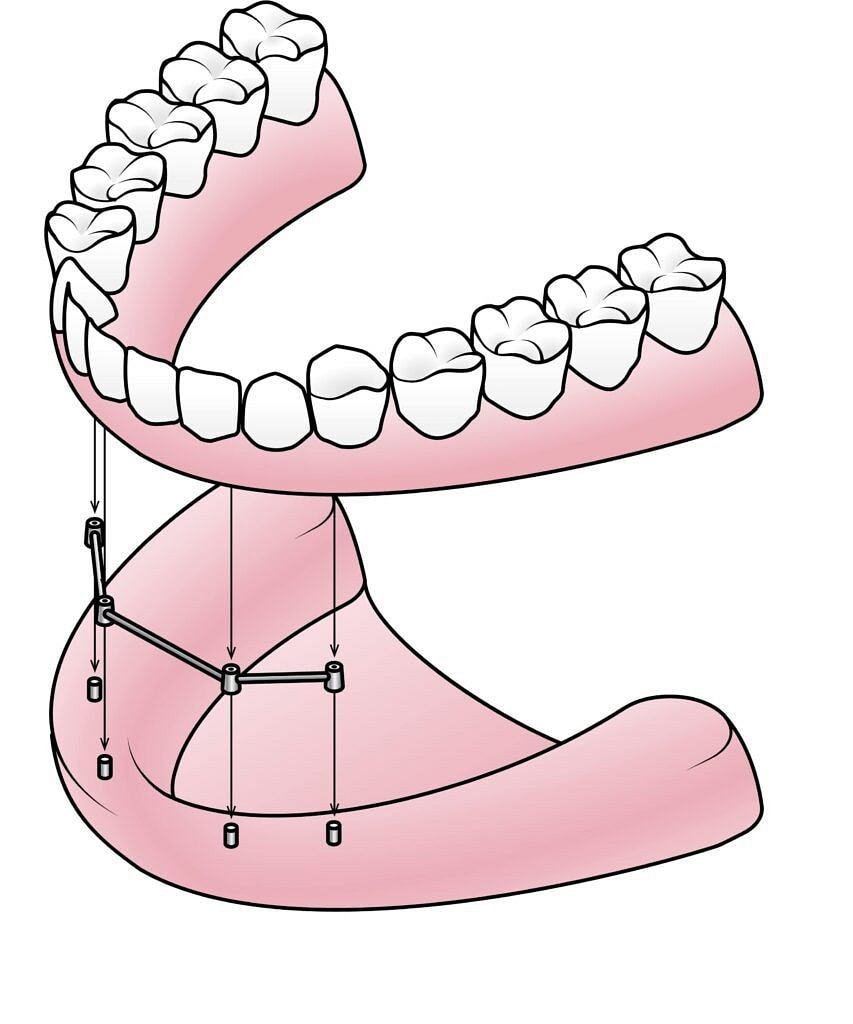
Bar-retained dentures involve a thin metal bar that follows the curve of the jaw, attached to two to five implants placed in the jawbone. The denture fits over this bar and is clipped into place using attachments.
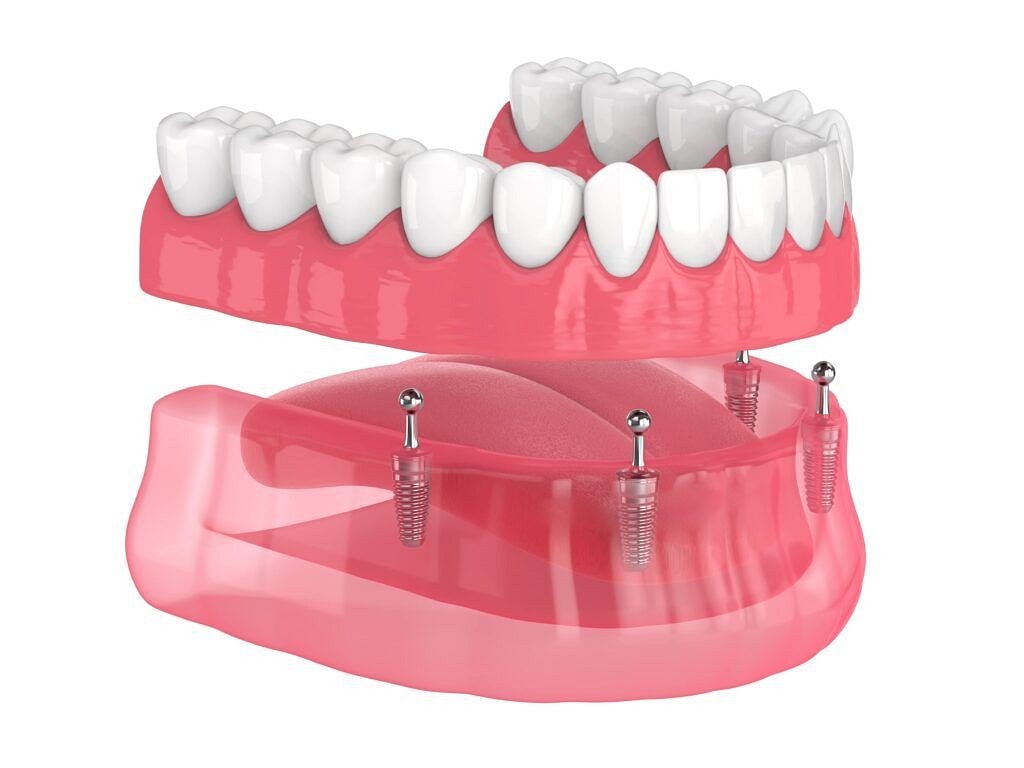
Ball-retained dentures use a ball-and-socket mechanism. The implants in the jawbone have ball-shaped attachments that fit into sockets on the denture. This setup allows the denture to snap securely into place.
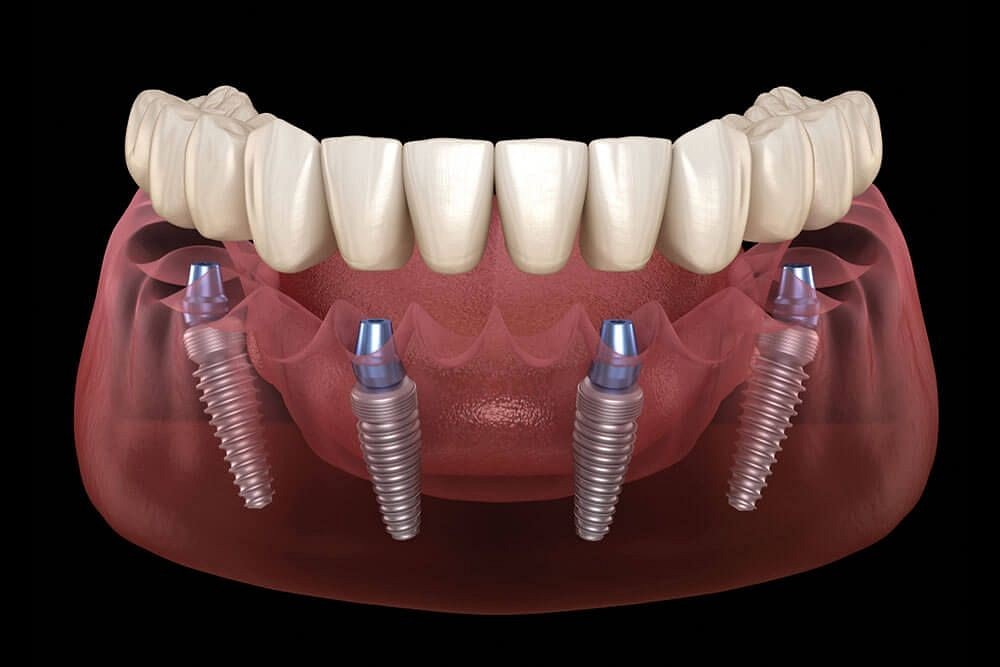
The All-on-4 technique involves placing four implants in the jawbone, which support a full arch of non-removable prosthetic teeth. This fixed solution is ideal for patients seeking a permanent and highly stable option.
Implant-supported dentures offer numerous advantages over traditional dentures, significantly enhancing the quality of life for those who choose them. Here are some key benefits:
One of the most significant advantages of implant-supported dentures is their stability. Traditional dentures can often slip or shift, causing discomfort and inconvenience. Implant-supported dentures, however, are securely anchored to dental implants in the jawbone, providing a firm and stable fit. This stability translates to a more comfortable experience, allowing wearers to speak, eat, and laugh with confidence.
Implant-supported dentures function much like natural teeth, allowing for more efficient chewing and better digestion. Traditional dentures can make it difficult to bite and chew certain foods, leading to dietary restrictions. With implant-supported dentures, wearers can enjoy a broader range of foods, including those that are harder or tougher to chew. Additionally, the secure fit of these dentures helps improve speech clarity, reducing the mumbling or slurring often associated with traditional dentures.
One of the critical issues with traditional dentures is that they do not stimulate the jawbone, leading to bone resorption and loss over time. This bone loss can cause the face to sag and appear aged. Implant-supported dentures, on the other hand, stimulate the jawbone through the implants, much like natural tooth roots. This stimulation helps preserve bone density and prevents the facial changes associated with bone loss, maintaining a more youthful appearance.
While traditional dentures may need to be replaced or relined frequently due to changes in the jawbone and gum tissue, implant-supported dentures offer a more long-lasting solution. The implants themselves are designed to be a permanent fixture in the jawbone, and the dentures attached to them are durable and resilient. With proper care and maintenance, implant-supported dentures can last many years, providing a reliable and stable dental solution.
In summary, implant-supported dentures offer enhanced stability, improved chewing efficiency, prevention of bone loss, and a longer-lasting solution compared to traditional dentures. These benefits make them an excellent option for individuals seeking a more comfortable, functional, and aesthetically pleasing alternative to conventional dentures.
Implant-supported dentures are an excellent solution for many people, but not everyone is an ideal candidate. Understanding who makes a good candidate and the factors that can affect eligibility is crucial for those considering this dental option.
The ideal candidates for implant-supported dentures are individuals who:
Several factors can influence whether someone is a suitable candidate for implant-supported dentures:
Adequate bone density in the jaw is essential for the successful placement of dental implants. If the jawbone has deteriorated due to prolonged tooth loss or other factors, there may not be enough bone to support the implants. In such cases, bone grafting procedures can sometimes be performed to build up the bone, making implants a viable option.
Certain medical conditions can affect the success of dental implants. These include uncontrolled diabetes, autoimmune diseases, and conditions that impair the body’s ability to heal. Medications that affect bone metabolism, such as bisphosphonates, can also impact implant success. A thorough medical evaluation is necessary to determine if these conditions can be managed to allow for implant placement.
A comprehensive evaluation by a dental professional is critical in determining candidacy for implant-supported dentures. This evaluation typically includes:
During this evaluation, the dentist will consider all factors and develop a personalized treatment plan tailored to the patient’s needs and circumstances. This thorough assessment ensures that patients receive the best possible care and have the highest chance of success with their implant-supported dentures.
In summary, while many people can benefit from implant-supported dentures, a careful evaluation of bone density, overall health, and other factors is essential. Consulting with a dental professional will help determine the best approach for achieving optimal results.
The journey to implant-supported dentures begins with a thorough consultation and evaluation by a dental professional. During this initial visit, the dentist assesses your oral health, examining the condition of your gums, teeth, and jawbone. This evaluation may include X-rays or 3D imaging to get a detailed view of your oral structures. The dentist will discuss your goals and expectations, providing a personalized treatment plan that outlines the number and placement of implants needed.
Once the treatment plan is finalized, the next step is the surgical placement of the implants. This procedure is typically performed under local anesthesia, though sedation options are available for those who need them. The dentist or oral surgeon will make small incisions in the gum tissue to expose the jawbone, where tiny holes are drilled to place the titanium implants. These implants act as artificial tooth roots, providing a stable foundation for the dentures. Depending on your case, the number of implants can vary, but usually, between two to six implants are used for each jaw.
After the implants are placed, a critical healing period follows. This phase, known as osseointegration, involves the jawbone gradually fusing with the titanium implants. This process can take several months, but it is essential for ensuring the implants become securely anchored in the bone. During this time, temporary dentures may be provided to maintain aesthetics and function. The success of osseointegration is vital for the long-term stability and effectiveness of the implant-supported dentures.
In summary, the implant procedure is a multi-step process that begins with a comprehensive evaluation and proceeds through careful surgical placement and a crucial healing period. Each step is designed to ensure the implants are securely integrated into the jawbone, providing a solid foundation for your new, improved dentures.
Proper maintenance and care are essential to ensure the longevity and effectiveness of implant-supported dentures. Here are some key practices to keep in mind:
Just like natural teeth, implant-supported dentures require regular cleaning to prevent plaque buildup and maintain oral health.

Routine dental visits are crucial for monitoring the health of your implants and surrounding tissues.
By following these maintenance and care guidelines, you can enjoy the benefits of your implant-supported dentures for many years, ensuring a healthy and comfortable smile.
While implant-supported dentures offer many benefits, there are potential challenges and considerations to be aware of:
Understanding these potential challenges and considerations can help patients make informed decisions and prepare for a successful experience with implant-supported dentures. By being aware of the risks and taking proactive steps to manage them, patients can enjoy the many benefits these advanced dental solutions offer.
Implant-supported dentures represent a significant advancement in dental care, offering enhanced stability, comfort, and oral health benefits compared to traditional dentures. By securely anchoring the dentures to dental implants, patients can enjoy improved chewing efficiency, clearer speech, and the preservation of jawbone integrity, all contributing to a higher quality of life. While the process involves careful evaluation, surgical placement, and diligent maintenance, the long-term rewards make it a worthwhile investment for many individuals. If you’re considering implant-supported dentures, consulting with a dental professional will provide personalized guidance to help you achieve the best possible outcome. Embrace the opportunity to restore your smile and confidence with this innovative dental solution.



