

Published
10 minute read

For many individuals, traditional dentures can present a host of challenges, from instability and discomfort to difficulty in chewing and speaking. These common issues can significantly impact daily life and overall well-being. Enter overdentures, a modern dental solution designed to offer enhanced stability and comfort. Overdentures provide a more secure fit and greater ease of use compared to traditional dentures, transforming the lives of those who wear them. This blog will explore the benefits of overdentures, the process of obtaining them, and how they can improve your quality of life.
Overdentures are a type of dental prosthetic designed to fit over remaining natural teeth or dental implants, providing a secure and stable solution for individuals missing multiple teeth. Unlike traditional dentures, which rest directly on the gums and are prone to slipping and discomfort, overdentures are anchored in place, offering enhanced stability and functionality.
The primary difference between traditional dentures and overdentures lies in their method of stabilization. Traditional dentures rely on suction and adhesive to stay in place, which can often lead to issues with movement and discomfort. Overdentures, on the other hand, use existing teeth or dental implants as anchors, providing a much more secure fit.
There are two main types of overdentures: implant-supported and tooth-supported.
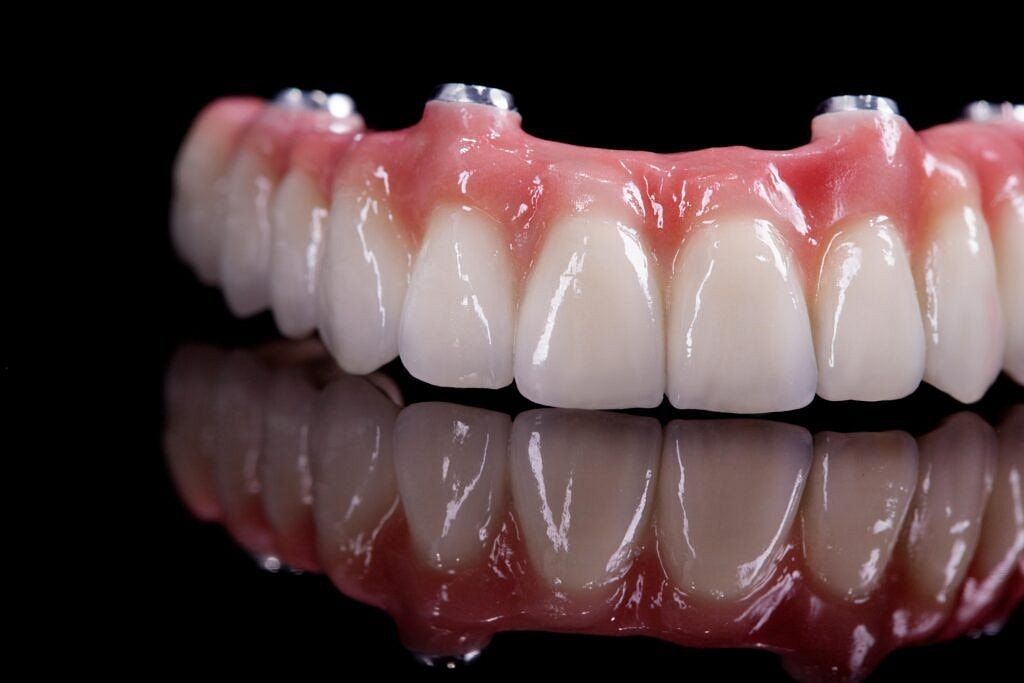
By offering a secure fit and improved functionality, overdentures address many of the common issues associated with traditional dentures, making them an excellent option for those seeking enhanced dental prosthetics.
Overdentures offer a multitude of benefits that significantly enhance the quality of life for denture wearers. These benefits include improved stability, comfort, and overall functionality compared to traditional dentures.
One of the most significant advantages of overdentures is their enhanced stability. By being anchored to dental implants or remaining natural teeth, overdentures stay securely in place, eliminating the common problem of dentures slipping or shifting while talking or eating. This stability not only enhances confidence in daily activities but also contributes to better oral health by distributing chewing forces more evenly.
Traditional dentures can often cause discomfort and irritation to the gums due to their direct contact with the soft tissues of the mouth. Overdentures, however, are designed to sit more comfortably in the mouth, reducing the pressure on the gums and preventing sore spots. The secure fit of overdentures also minimizes movement, further reducing the risk of irritation and enhancing overall comfort.
The stability provided by overdentures allows for more effective chewing, enabling wearers to enjoy a wider variety of foods that might be challenging with traditional dentures. This improved chewing efficiency not only enhances nutrition but also contributes to overall well-being. Additionally, the secure fit of overdentures helps in maintaining clearer speech, as there is less risk of the dentures slipping or moving while talking.
One of the critical benefits of implant-supported overdentures is the preservation of the jawbone. Dental implants stimulate the jawbone, preventing bone loss that typically occurs when teeth are missing. This preservation helps maintain the facial structure, preventing the sunken appearance that often accompanies prolonged denture use. By maintaining the integrity of the jawbone, overdentures contribute to a more youthful and healthy appearance.
With their enhanced stability, comfort, and functionality, overdentures provide wearers with a significant boost in confidence. The fear of dentures slipping or causing embarrassment is eliminated, allowing individuals to engage in social activities, eat their favorite foods, and speak with clarity without worry. This increased confidence directly translates to a better quality of life, as wearers can enjoy daily activities without the limitations imposed by traditional dentures.
In summary, overdentures offer a superior alternative to traditional dentures by providing enhanced stability, comfort, and functionality. These benefits make overdentures an excellent choice for those seeking to improve their oral health and overall well-being.
Obtaining overdentures involves a series of steps designed to ensure the best fit and functionality. This process includes an initial consultation, preparatory procedures, the fabrication of the overdentures, fitting and adjustments, and follow-up care.
The journey to getting overdentures begins with an initial consultation with a dental professional. During this visit, the dentist will assess your oral health, discuss your dental history, and determine if you are a suitable candidate for overdentures. This assessment may include a comprehensive examination, dental X-rays, and impressions of your mouth to evaluate the condition of your gums, jawbone, and any remaining teeth.
Before the overdentures can be fitted, certain preparatory procedures may be necessary. These procedures vary depending on whether you will be receiving implant-supported or tooth-supported overdentures.
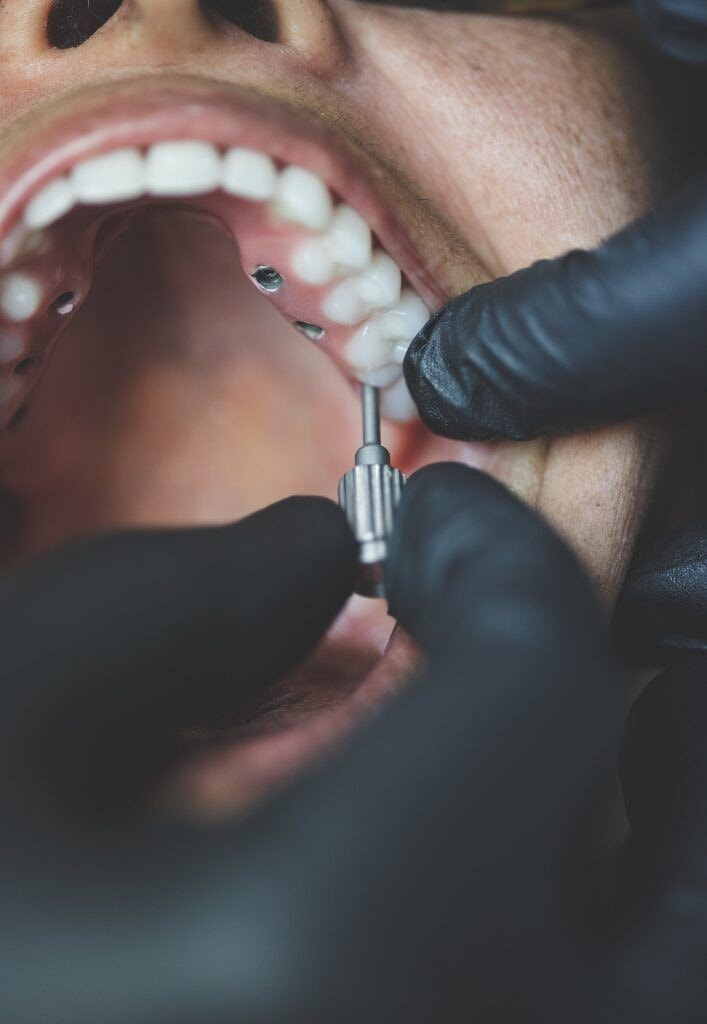
Once the preparatory procedures are complete, the process of creating the overdentures begins. This involves several appointments to ensure the overdentures are custom-made to fit your mouth perfectly.
When the final overdentures are ready, they will be fitted to your mouth. This step involves attaching the overdentures to the dental implants or natural teeth and making any necessary adjustments to ensure a secure and comfortable fit. The dentist will check the alignment, bite, and overall comfort of the overdentures, making fine-tuning adjustments as needed.
After the overdentures have been fitted, follow-up care is essential to ensure their longevity and your continued oral health.
By following these steps and adhering to proper care routines, you can ensure that your overdentures provide you with enhanced stability, comfort, and functionality for many years to come.
Proper care and maintenance of your overdentures are crucial to ensuring their longevity and functionality. With the right routine, you can keep your overdentures in excellent condition and maintain your overall oral health.
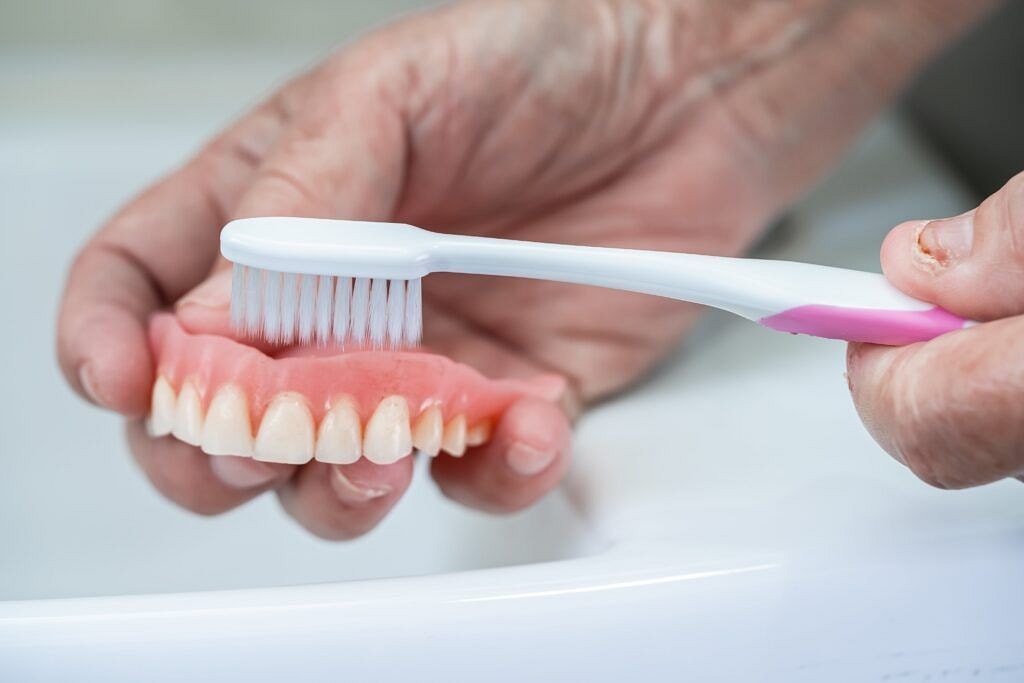
By adhering to these care and maintenance guidelines, you can ensure that your overdentures remain in optimal condition, providing you with enhanced stability, comfort, and functionality for years to come. Proper care not only extends the life of your overdentures but also contributes to your overall oral health and well-being.
When considering dental prosthetics for missing teeth, it’s essential to understand how overdentures compare to other options like traditional dentures and fixed implant bridges. Each option has its own set of advantages and disadvantages, which can help determine the best solution for your dental needs.
Feature | Overdentures | Traditional Dentures |
|---|---|---|
| Stability and Retention | Anchored to implants or natural teeth for superior stability. | Rely on suction and adhesives, prone to movement. |
| Comfort | Reduced gum irritation and increased comfort due to less movement. | Can cause gum irritation and sore spots from direct gum contact. |
| Functionality | Better chewing efficiency and clearer speech. | Compromised chewing efficiency and speech clarity. |
| Jawbone Preservation | Implant-supported overdentures stimulate the jawbone, preventing bone loss. | Do not prevent bone loss, leading to changes in facial structure over time. |
| Cost | Generally more expensive upfront due to implants and preparation procedures. | Less expensive upfront but may require frequent adjustments and replacements. |
Published
1 minute read
Feature | Overdentures | Fixed Implant Bridges |
|---|---|---|
| Stability and Retention | Securely anchored to implants or natural teeth, providing good stability. | Permanently attached to implants, offering maximum stability. |
| Comfort | Less irritation and more comfort compared to traditional dentures. | Most comfortable option, functions like natural teeth. |
| Functionality | Enhanced chewing efficiency and speech due to secure fit. | Superior chewing efficiency and speech clarity due to permanent, stable fit. |
| Removability | Can be removed for cleaning, making maintenance easier. | Non-removable, requires professional cleaning. |
| Jawbone Preservation | Implant-supported overdentures help preserve the jawbone. | Excellent at preserving jawbone due to implant stimulation. |
| Cost | Generally less expensive than fixed implant bridges but more costly than traditional dentures. | Most expensive option due to the number of implants and complexity of the procedure. |
Published
1 minute read
Feature | Overdentures | Traditional Dentures | Fixed Implant Bridges |
|---|---|---|---|
| Pros | Enhanced stability and comfort, improved functionality, jawbone preservation, easier maintenance. | Lower initial cost, non-invasive. | Maximum stability, comfort, and functionality, preserves jawbone. |
| Cons | Higher upfront cost, requires surgery for implant placement. | Less stability, potential for gum irritation, does not preserve jawbone, frequent adjustments needed. | Highest cost, non-removable, requires complex surgical procedures. |
Published
1 minute read
In conclusion, overdentures offer a significant improvement over traditional dentures, providing enhanced stability, comfort, and functionality. By being securely anchored to dental implants or remaining natural teeth, overdentures eliminate many of the common issues associated with traditional dentures, such as slippage and gum irritation. Additionally, the preservation of the jawbone and improved chewing efficiency contribute to a better quality of life. While fixed implant bridges offer maximum stability, their higher cost and non-removability make overdentures a balanced and practical choice for many individuals. If you’re considering improving your dental health and overall well-being, consult with a dental professional to explore whether overdentures are the right solution for you.



