

Published
16 minute read
Dentures have long been a popular solution for individuals with missing teeth, offering a way to restore function and aesthetics. However, traditional dentures often come with a set of challenges, including instability, discomfort, and the need for frequent adjustments. As dental technology advances, many are finding that upgrading to implant-supported dentures offers a superior alternative. Implant-supported dentures provide enhanced stability, comfort, and functionality, addressing many of the common issues associated with traditional dentures. Understanding the benefits of this upgrade can significantly improve your quality of life, making everyday activities like eating and speaking more enjoyable and stress-free. In this blog, we will explore why making the switch from traditional dentures to implant-supported dentures could be one of the best decisions for your oral health and overall well-being.
Understanding the structural differences between traditional dentures and implant-supported dentures is crucial for anyone considering an upgrade. While both types of dentures serve the primary purpose of replacing missing teeth, their design, fit, and functionality differ significantly. Traditional dentures rest on the gums and rely on suction or adhesives for stability, which can sometimes lead to discomfort and inconvenience. On the other hand, implant-supported dentures are anchored to dental implants surgically placed into the jawbone, providing a more secure and natural-feeling solution. This section will delve into the key structural differences between these two types of dentures, highlighting how these variations impact their performance, comfort, and overall effectiveness.
Traditional dentures are designed to fit snugly over the gums and are typically made from acrylic resin. The upper denture covers the roof of the mouth (palate), while the lower denture is shaped to accommodate the tongue and rests on the gum tissue. To stay in place, traditional dentures rely on suction and the natural contours of the mouth. In many cases, adhesive creams or powders are used to enhance their stability.
The lack of a fixed attachment point means that traditional dentures can move or shift, especially during eating or speaking. This movement can cause discomfort, sore spots, and difficulty in performing everyday tasks. Over time, the fit of traditional dentures may change due to bone resorption, requiring adjustments or replacements.
Traditional dentures are crafted to mimic the appearance of natural teeth and gums. However, because they sit on top of the gums, they can sometimes appear less natural, particularly if there is noticeable movement when the wearer is talking or chewing.
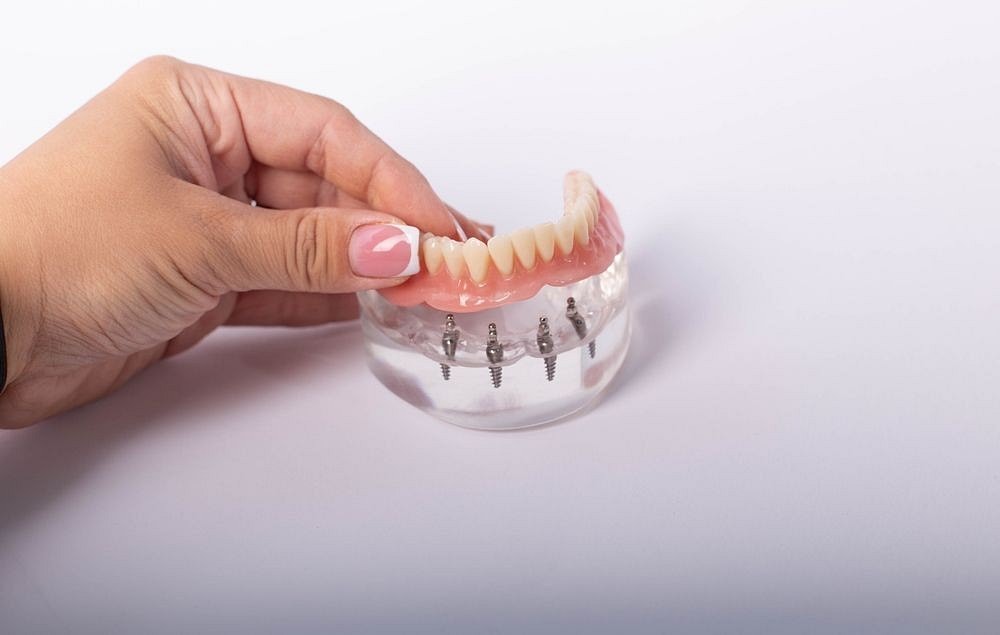
Implant-supported dentures differ significantly in their structural design. Instead of resting solely on the gum tissue, these dentures are anchored to dental implants that are surgically placed into the jawbone. The implants are typically made of titanium, a biocompatible material that integrates with the bone in a process called osseointegration. This integration provides a stable and secure foundation for the dentures.
The primary advantage of implant-supported dentures is their enhanced stability. The implants act as artificial tooth roots, preventing the dentures from moving or slipping out of place. This secure attachment allows for improved functionality and comfort, making it easier to chew, speak, and perform other daily activities without fear of the dentures shifting.
Implant-supported dentures are designed to closely resemble natural teeth and gums. Because they are anchored to implants, they do not require extensive coverage of the palate or gums, leading to a more natural appearance and feel. The secure fit also ensures that the dentures remain in place, further enhancing their aesthetic appeal and making them indistinguishable from natural teeth.
In summary, the structural differences between traditional and implant-supported dentures are profound. Traditional dentures rest on the gums and rely on suction and adhesives for stability, while implant-supported dentures are anchored to dental implants, providing a more secure, comfortable, and natural-feeling solution. These differences result in significant improvements in functionality, comfort, and appearance for those opting for implant-supported dentures.
Traditional dentures, while effective in restoring the appearance of a full set of teeth, often come with issues of stability and comfort. These dentures rest on the gums and rely on suction or adhesives to stay in place. However, this method is not foolproof and can lead to dentures slipping or shifting, especially during activities such as eating or speaking. This instability can cause irritation and soreness in the gums, making the dentures uncomfortable to wear for extended periods.
In contrast, implant-supported dentures offer a significant improvement in both stability and comfort. These dentures are anchored to dental implants that are surgically placed into the jawbone. The implants act as secure anchors, preventing any unwanted movement of the dentures. This stability eliminates the need for adhesives, providing a more natural and secure fit. As a result, implant-supported dentures reduce gum irritation and provide a more comfortable experience, allowing you to eat, speak, and smile with confidence.
The enhanced stability of implant-supported dentures not only improves comfort but also boosts overall functionality. With a secure fit, you no longer have to worry about your dentures slipping out of place, enabling you to enjoy a more active and carefree lifestyle.
Traditional dentures, while effective for basic functions, often come with limitations in chewing efficiency. The primary issue stems from their reliance on suction and adhesives to stay in place, which can result in movement or slippage during meals. This instability makes it challenging to chew certain foods, especially those that are tough, sticky, or hard. Consequently, individuals with traditional dentures may need to avoid a variety of foods, leading to dietary restrictions and potential nutritional deficiencies. Moreover, the pressure exerted by traditional dentures on the gum tissue can cause discomfort and even pain while chewing. This discomfort can further discourage individuals from enjoying a diverse diet, impacting their overall enjoyment of food and quality of life.
Implant-supported dentures significantly enhance chewing efficiency by providing a stable and secure foundation. The dental implants, which are surgically placed into the jawbone, act as artificial tooth roots, anchoring the dentures firmly in place. This stability prevents the dentures from moving or slipping, allowing for more effective and comfortable chewing. With implant-supported dentures, individuals can enjoy a wider variety of foods, including those that are difficult to manage with traditional dentures. The increased chewing power not only improves the ability to eat tougher and stickier foods but also contributes to better digestion and overall health. Properly chewed food is easier for the digestive system to process, leading to improved nutrient absorption and a healthier diet.
Additionally, implant-supported dentures distribute the chewing forces more evenly across the jawbone, reducing the risk of sore spots and discomfort. This even distribution of pressure mimics that of natural teeth, providing a more natural and comfortable eating experience.
Overall, the enhanced chewing efficiency provided by implant-supported dentures can lead to a more enjoyable and varied diet, better nutrition, and improved overall health. By eliminating the challenges associated with traditional dentures, implant-supported dentures offer a significant improvement in daily living and quality of life.
One of the significant drawbacks of traditional dentures is their lack of stimulation to the jawbone. Since traditional dentures rest on the gums without any direct attachment to the bone, they do not provide the necessary stimulation to maintain bone density. Over time, this can lead to a condition known as bone resorption, where the jawbone gradually shrinks and deteriorates due to lack of use.
Bone resorption can have several negative consequences:
Implant-supported dentures offer a significant advantage in preserving jawbone health. The key lies in the dental implants themselves, which are surgically placed into the jawbone. These implants act as artificial tooth roots, providing the necessary stimulation to the bone through the forces generated by chewing and biting.
Benefits of Implant-Supported Dentures for Jawbone Health:
In summary, implant-supported dentures play a crucial role in maintaining jawbone health, offering a stark contrast to the bone loss associated with traditional dentures. By providing the necessary stimulation to the jawbone, implant-supported dentures ensure long-term oral health, preserve facial structure, and enhance overall quality of life.
Traditional dentures can often cause challenges when it comes to speech. Because these dentures rest on the gums and are not securely anchored, they can shift or move while speaking. This movement can lead to slurred or mumbled speech, making it difficult for others to understand you. Additionally, the instability of traditional dentures can result in clicking noises, which can be distracting and embarrassing during conversations. The bulky design of traditional dentures, particularly the upper denture that covers the roof of the mouth, can also interfere with the natural movement of the tongue. This interference can make it hard to pronounce certain words clearly, further impacting speech quality and confidence.
Implant-supported dentures provide a significant improvement in speech clarity and confidence. Because these dentures are securely anchored to dental implants, they remain stable and do not shift or move when you talk. This stability allows for more natural and clear speech, eliminating the slurring and mumbling often associated with traditional dentures.
Benefits of Improved Speech with Implant-Supported Dentures:
In addition to these functional benefits, the psychological impact of improved speech cannot be understated. Being able to speak clearly and confidently can enhance your social interactions, professional opportunities, and overall quality of life. Implant-supported dentures eliminate the common speech issues associated with traditional dentures, offering a reliable and effective solution for better communication.
In summary, implant-supported dentures provide a marked improvement in speech compared to traditional dentures. By offering stability and a natural feel, they allow for clear and confident communication, enhancing both daily interactions and overall quality of life.
Traditional dentures require a meticulous daily care routine to ensure they remain clean and functional. This involves:
Implant-supported dentures offer a more convenient and low-maintenance alternative. The benefits include:
In addition to these practical benefits, implant-supported dentures also enhance the overall quality of life by minimizing the inconveniences and challenges associated with traditional dentures. The ease of maintenance and reduced need for adjustments mean less time and effort spent on denture care, allowing individuals to focus more on enjoying their lives.
In summary, implant-supported dentures offer significant advantages in terms of convenience and maintenance. By integrating into a standard oral hygiene routine and providing greater durability and stability, they represent a more efficient and user-friendly option compared to traditional dentures. This convenience not only simplifies daily life but also contributes to better long-term oral health and overall satisfaction.
Traditional dentures, while functional, can sometimes undermine self-confidence. Common issues include:
Implant-supported dentures offer a transformative improvement in self-confidence due to their stability, natural appearance, and functionality. The benefits include:
The psychological impact of these benefits cannot be overstated. The enhanced self-confidence that comes with implant-supported dentures can lead to more active and fulfilling social lives, greater professional opportunities, and an overall improvement in mental and emotional well-being.
In summary, implant-supported dentures offer a significant boost in self-confidence compared to traditional dentures. Their secure fit, natural appearance, and improved functionality enable individuals to live more confidently and comfortably, enhancing their overall quality of life and social interactions.
At first glance, traditional dentures may seem like a more cost-effective solution due to their lower initial price. However, several factors contribute to their long-term cost:
While implant-supported dentures involve a higher initial investment, they prove to be more cost-effective over time due to several key factors:
In the long run, the higher initial cost of implant-supported dentures is offset by their durability, reduced need for maintenance, and overall contribution to better oral health, making them a more economical choice.
Upgrading from traditional dentures to implant-supported dentures offers numerous benefits that significantly enhance oral health, functionality, and quality of life. Implant-supported dentures provide superior stability and comfort, enhanced chewing efficiency, and better preservation of jawbone health. They also improve speech clarity, are more convenient to maintain, and greatly boost self-confidence. While the initial investment may be higher, the long-term cost-effectiveness of implant-supported dentures makes them a worthwhile option. By choosing implant-supported dentures, individuals can enjoy a more secure, natural, and fulfilling life, free from the common challenges associated with traditional dentures.



