

Published
12 minute read
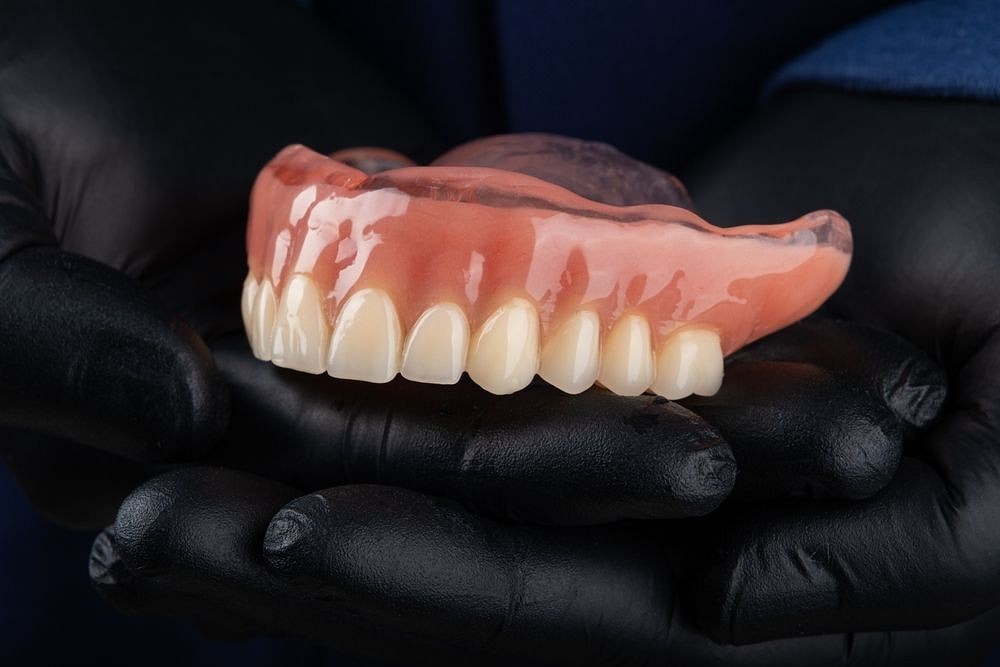
When undergoing dental implant procedures, the period of healing after tooth extraction can be a challenging time. Immediate dentures offer a vital temporary solution during this phase, ensuring that patients can maintain both function and aesthetics while their gums heal and their permanent implants are being prepared. Unlike traditional dentures, which are fitted after the gums have healed, immediate dentures are placed immediately after tooth extraction, providing instant relief and support. This blog will explore the benefits, process, and considerations of immediate dentures, highlighting why they are an essential part of the dental implant journey.
Immediate dentures are a type of temporary denture that is placed in the mouth immediately after the extraction of natural teeth. Unlike traditional dentures, which require a waiting period after tooth extraction to allow the gums to heal, immediate dentures provide an instant replacement for missing teeth. This immediate placement helps in maintaining the appearance and functionality of the patient’s mouth right from the outset.
Immediate dentures differ significantly from traditional dentures and dental implants in several ways:
Immediate dentures play a crucial role in preserving the patient’s appearance and oral functionality immediately after tooth extraction. They help maintain the facial structure and prevent the sunken look that can occur when teeth are missing. Functionally, they enable patients to eat and speak more comfortably during the healing period. This immediate restoration of normalcy can greatly enhance a patient’s confidence and quality of life during what could otherwise be a difficult transition phase.
One of the essential benefits of immediate dentures is their role in protecting the gum tissue after tooth extraction. They act as a barrier, shielding the extraction sites from food particles and bacteria, which can help in reducing the risk of infection and promoting better healing. This protective function can be especially beneficial in maintaining oral hygiene during the critical early stages of recovery.
Understanding the unique advantages of immediate dentures can help patients appreciate their value as a temporary but essential solution in the journey towards complete dental restoration.
Immediate dentures provide several aesthetic and functional advantages that make the transition from natural teeth to dentures smoother and more comfortable. One of the primary benefits is the immediate restoration of appearance. Patients do not have to endure the embarrassment or self-consciousness associated with missing teeth, as immediate dentures fill the gaps right away, preserving their smile and facial structure.
Functionally, immediate dentures allow patients to continue with their daily activities without significant disruption. They can speak clearly, chew food effectively, and maintain normal oral functions, which is particularly important during the healing period. This immediate restoration of both form and function can significantly boost a patient’s confidence and overall quality of life.
Another critical benefit of immediate dentures is their role in protecting the gum tissue following tooth extraction. The dentures act as a protective barrier, covering the sensitive extraction sites and shielding them from potential irritants such as food particles and bacteria. This protection helps in reducing the risk of infection and promotes faster and more comfortable healing.
By providing a stable surface over the healing gums, immediate dentures can also help in controlling post-extraction bleeding and minimizing swelling. This protective function ensures that the gums remain undisturbed, allowing them to heal properly and efficiently.
Adjusting to missing teeth can be challenging, especially when it comes to speaking and eating. Immediate dentures provide the necessary support to help patients maintain their normal speech patterns, reducing the likelihood of speech impairments that can occur with missing teeth. This support is crucial for both personal and professional interactions, ensuring that patients can communicate effectively and confidently.
When it comes to eating, immediate dentures enable patients to chew food properly, which is essential for digestion and overall health. By maintaining the ability to eat a variety of foods, patients can continue to enjoy a balanced diet without significant dietary restrictions. This aspect of immediate dentures helps in maintaining nutritional health during the healing process.
The psychological and emotional impact of tooth loss can be profound. Immediate dentures play a vital role in mitigating these effects by providing an immediate solution that restores the appearance and functionality of the teeth. This immediate restoration can greatly reduce feelings of anxiety, embarrassment, and self-consciousness that often accompany tooth loss.
Having immediate dentures can also help in maintaining a sense of normalcy and continuity in daily life. Patients can continue with their routine activities, social engagements, and professional responsibilities without the interruption and discomfort that missing teeth can cause. This continuity can significantly enhance emotional well-being and overall quality of life during the healing period.
While immediate dentures are a temporary solution, they serve an important interim role in the journey towards permanent dental restoration. They provide patients with the time and comfort needed to heal properly before transitioning to permanent solutions such as traditional dentures or a fixed denture with dental implants. This interim period allows for careful planning and customization of the final restoration, ensuring the best possible outcome for the patient.
In summary, immediate dentures offer a range of benefits that make them an essential component of the dental restoration process. From aesthetic and functional advantages to psychological support and protection of gum tissue, these temporary dentures provide a valuable bridge during the healing period, ensuring that patients can maintain their quality of life and overall well-being.
The journey to receiving immediate dentures begins with a comprehensive consultation and planning session with your dentist. During this initial visit, your dentist will conduct a thorough examination of your oral health, including X-rays and impressions of your teeth and gums. This assessment is crucial for understanding the specific needs and conditions of your mouth and for planning the extraction and denture placement process.
Based on the examination results, your dentist will discuss your treatment options and develop a customized plan for creating your immediate dentures. This plan will outline the timeline and steps involved, ensuring that you are fully informed and prepared for the procedure. Detailed impressions and measurements of your mouth will be taken to create a precise mold, which will be used to fabricate your immediate dentures.
The next step in the process involves the extraction of the teeth that need to be replaced. This procedure is performed under local anesthesia to ensure comfort and minimize pain. Depending on the number of teeth being extracted, the process may take place in a single visit or over multiple appointments.
Once the teeth are extracted, the immediate dentures, which have been pre-fabricated based on your dental impressions, are placed into your mouth right away. The dentures are adjusted to fit snugly over the extraction sites, providing immediate restoration of your appearance and function. This immediate placement helps to control bleeding and protects the extraction sites, promoting better healing.
After the initial placement of your immediate dentures, you will need to return to your dentist for follow-up appointments. These visits are essential for making any necessary adjustments to ensure that the dentures fit comfortably and function properly. As your gums heal and the shape of your mouth changes, the dentures may require multiple adjustments to maintain an optimal fit.
During these follow-up appointments, your dentist will also monitor the healing process and check for any signs of complications, such as infection or excessive swelling. Regular check-ups help to address any issues promptly and ensure that your gums are healing correctly.
Immediate dentures are designed as a temporary solution while your gums heal and your mouth adjusts to the changes. Once the healing process is complete, typically after several months, you will transition to your permanent dental restoration. This may involve receiving traditional dentures or a fixed denture with dental implants, depending on your treatment plan.
During this transition phase, your dentist will take new impressions and measurements to create the final dentures or to place the dental implants. This careful planning ensures that your permanent restoration will fit perfectly and function effectively, providing a long-term solution for your dental needs.
Proper care and maintenance of your immediate dentures are crucial for ensuring their longevity and your oral health. Your dentist will provide specific instructions on how to clean and care for your dentures, including daily cleaning routines and any special care techniques.
It is essential to follow these instructions carefully to prevent damage to the dentures and to maintain good oral hygiene. Regular dental check-ups are also important to monitor your oral health and the condition of your dentures, making any necessary adjustments or repairs.
One of the primary challenges patients face with immediate dentures is the initial discomfort and adjustment period. After tooth extraction and the placement of immediate dentures, it is common to experience some soreness, irritation, and swelling in the gums. This discomfort typically subsides as the gums begin to heal and adjust to the new dentures. However, it may take some time for patients to become fully accustomed to the feel and function of the immediate dentures in their mouths.
Adapting to immediate dentures can also pose challenges in terms of speech and eating. Patients may find it difficult to pronounce certain words or sounds initially, leading to temporary changes in speech patterns. Similarly, chewing and eating with new dentures can be challenging, particularly with hard or sticky foods. Over time, with practice and patience, most patients are able to adapt and regain their normal speech and eating abilities. During this adjustment period, it is advisable to start with softer foods and gradually reintroduce more challenging textures.
Immediate dentures often require frequent adjustments to ensure a proper fit as the gums and underlying bone structure heal and change shape. This process of healing can cause the dentures to become loose or ill-fitting, necessitating regular visits to the dentist for modifications. These adjustments are essential to maintain comfort, functionality, and oral health.
In addition to professional adjustments, maintaining immediate dentures requires diligent care and hygiene. Patients must clean their dentures daily to prevent plaque buildup, staining, and potential infections. Proper maintenance also includes handling the dentures carefully to avoid damage and storing them correctly when not in use.
It is important to understand that immediate dentures are not a permanent solution. They are designed to serve as a temporary measure during the healing process before transitioning to more permanent dental restorations such as traditional dentures or a fixed denture with dental implants. Patients should be prepared for this transition and understand that further dental work will be necessary once the gums have fully healed.
As with any dental procedure, there is a potential for complications with immediate dentures. These can include infection at the extraction sites, prolonged swelling, or difficulties in achieving a comfortable fit. It is crucial for patients to closely follow their dentist’s post-operative care instructions and to promptly report any issues or concerns.
The psychological and emotional aspects of adjusting to immediate dentures can also be significant. The sudden change in appearance and oral functionality, coupled with the discomfort and adjustment period, can be stressful for some patients. Support from dental professionals, as well as from family and friends, can be invaluable during this transition period. Encouragement and understanding can help patients navigate the emotional challenges and build confidence in their new dental situation.
The cost of immediate dentures, along with the subsequent adjustments and eventual transition to permanent solutions, can be a financial consideration for many patients. It is essential to discuss all potential costs and payment options with your dentist during the initial consultation. Some dental insurance plans may cover part of the cost, but patients should be prepared for out-of-pocket expenses.
Given the complexities and potential challenges of immediate dentures, it is crucial to choose an experienced and skilled dentist for the procedure. A knowledgeable dentist can provide expert guidance, precise fitting, and effective management of any complications that may arise. Their expertise can make a significant difference in the overall success and comfort of the immediate denture experience.
In conclusion, immediate dentures serve as a crucial temporary solution for patients undergoing dental implant procedures. They offer immediate aesthetic and functional benefits, protect gum tissue, and support speech and eating during the healing process. Despite the initial discomfort and the need for frequent adjustments, the advantages of maintaining appearance and functionality make immediate dentures a valuable interim measure. By understanding the process, challenges, and considerations, patients can better prepare for their dental journey and ensure a smoother transition to permanent restorations. With the guidance of an experienced dentist and proper care, immediate dentures can significantly enhance the overall experience and well-being during the healing period.



