

Published
7 minute read
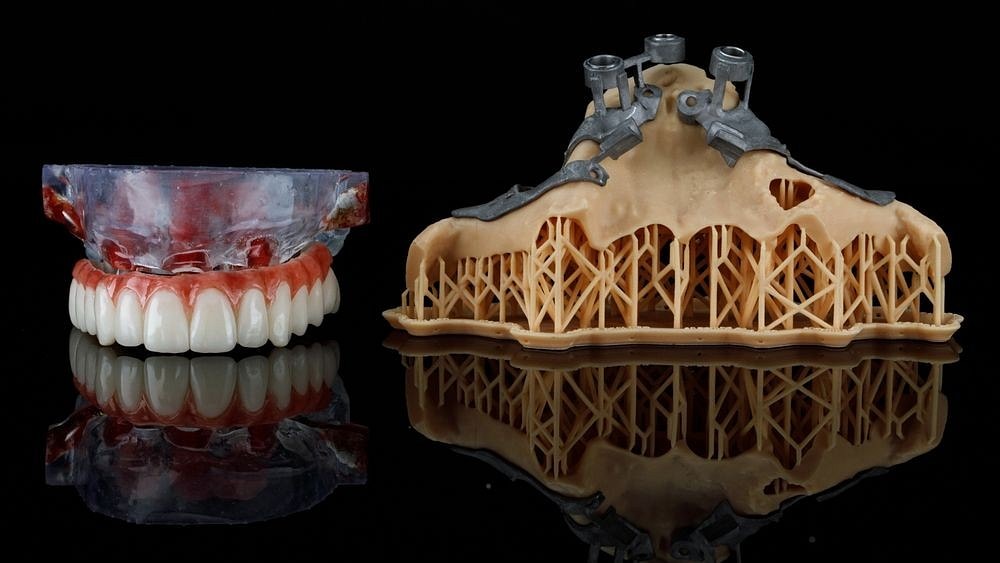
In the realm of dental implants, innovative solutions continue to emerge, enhancing the quality of life for patients with severe tooth loss. Among these advancements, zygomatic implants stand out as a revolutionary option, particularly for those who have experienced significant bone loss in the upper jaw. Unlike traditional implants, zygomatic implants are anchored in the zygomatic bone, offering exceptional stability and support for implant-supported dentures. This approach not only circumvents the need for bone grafting but also provides a faster and more reliable treatment process. In this blog, we will explore the unique benefits of implant-supported dentures using zygomatic implants, the detailed procedure involved, and why this option may be the ideal solution for those facing extensive dental challenges.
Zygomatic implants are a specialized type of dental implant designed for patients who lack sufficient bone in the upper jaw (maxilla) for traditional dental implants. These implants are longer than conventional ones and are anchored in the zygomatic bone, also known as the cheekbone. This unique anchorage provides a stable and robust foundation for supporting dental prostheses, even in cases where the maxillary bone has deteriorated significantly. Zygomatic implants are a versatile solution that can be used in conjunction with traditional implants to support a full arch of teeth or even a full set of dentures.
The placement of zygomatic implants involves anchoring the implant into the zygomatic bone, which is known for its density and strength. This bone is located near the upper jaw, extending towards the cheek, providing a solid base that can support dental prostheses effectively. During the procedure, the implant is inserted through the alveolar ridge (the part of the jaw where teeth are anchored) and secured into the zygomatic bone. This method bypasses the need for extensive bone grafting, making it an efficient and less invasive option for patients with severe bone loss in the upper jaw.
One of the most significant advantages of zygomatic implants is their suitability for patients with severe bone loss in the upper jaw. Traditional dental implants require a substantial amount of healthy bone to ensure proper anchorage and stability. In cases where the maxillary bone is insufficient, bone grafting is often necessary, which can be a lengthy and complex process. Zygomatic implants eliminate the need for bone grafting by utilizing the dense zygomatic bone, offering a reliable alternative for patients who would otherwise be ineligible for traditional implants.
The robust nature of the zygomatic bone provides enhanced stability and support for dental prostheses. This strong anchorage results in higher success rates and long-term durability, ensuring that patients can enjoy a secure and functional set of teeth. The improved stability also contributes to better oral function, allowing patients to chew, speak, and smile with confidence.
Zygomatic implants can significantly reduce the overall treatment time compared to traditional implant procedures that require bone grafting. The placement of zygomatic implants often allows for immediate loading, meaning that the dental prosthesis can be attached shortly after the implants are placed. This immediate restoration not only speeds up the recovery process but also minimizes the inconvenience and discomfort associated with multiple surgical procedures. Patients can benefit from a quicker return to normal function and an enhanced quality of life much sooner.
The journey towards implant-supported dentures using zygomatic implants begins with a thorough initial consultation and assessment. During this stage, the dental professional will evaluate the patient’s overall health, dental history, and specific needs. This evaluation includes a comprehensive examination of the mouth and jaw, as well as imaging techniques such as panoramic X-rays or CT scans to assess the bone structure and determine the suitability for zygomatic implants. The dentist will also discuss the patient’s expectations, potential risks, and the benefits of the procedure to ensure an informed decision is made.
The surgical procedure for placing zygomatic implants is a meticulous process that requires specialized skills and expertise. On the day of the surgery, the patient will be administered local anesthesia or sedation to ensure comfort throughout the procedure. The steps involved in the surgery are as follows:
The entire procedure is performed with precision to ensure optimal placement and stability of the implants. The surgical process may vary slightly depending on the patient’s specific anatomy and needs.
Post-surgery care is crucial for the success and longevity of zygomatic implants. Immediately after the procedure, patients may experience some swelling, bruising, and discomfort, which can be managed with prescribed pain medication and cold compresses. The dentist will provide detailed post-operative instructions, including:
Long-term maintenance involves routine dental check-ups and professional cleanings to ensure the health and stability of the implants and the surrounding tissues. With proper care and adherence to the dentist’s instructions, patients can enjoy the benefits of their new implant-supported dentures for many years.
Zygomatic implants are specifically designed for patients who have significant bone loss in the upper jaw and are unable to receive traditional dental implants. The ideal candidates for zygomatic implants include:
While zygomatic implants offer a viable solution for many, there are certain contraindications and limitations. Patients with certain medical conditions, such as uncontrolled diabetes, severe osteoporosis, or active infections, may not be suitable candidates. A thorough evaluation by a dental professional is essential to determine individual suitability.
When considering dental implant options, understanding the differences between traditional solutions and advanced alternatives like zygomatic implants is crucial. Traditional implants often require bone grafting for patients with significant bone loss, which can extend treatment time and complexity. Zygomatic implants offer a groundbreaking approach, particularly beneficial for those with severe maxillary bone resorption. This section will explore the distinctions between these methods, focusing on their procedures, suitability, advantages, disadvantages, and cost and time implications. By comparing these options, patients can make informed decisions about the best treatment for their dental needs.
Aspect | Bone Grafting | Zygomatic Implants |
|---|---|---|
| Procedure | Bone harvested from body/synthetic material | Anchored in zygomatic bone |
| Suitable For | Moderate bone loss | Severe bone loss |
| Pros | – Suitable for moderate bone loss | – Ideal for severe bone loss |
| | – Can be combined with traditional implants | – No need for bone grafting |
| | | – Faster treatment and recovery |
| | | – Immediate loading potential |
| Cons | – Lengthy process | – Requires specialized surgical expertise |
| | – Multiple surgeries | – Not suitable for all patients |
| | – Extended healing time | |
| | – Risk of graft rejection/complications | |
| Cost | Higher due to multiple procedures | Potentially lower in the long run |
| Time | Longer treatment and healing time | Shorter treatment time |
Published
2 minute read
There are several myths and misconceptions surrounding zygomatic implants that can deter patients from considering this innovative solution. It is important to address these misunderstandings to provide a clear and accurate picture of what zygomatic implants entail:
Reality: Zygomatic implants have been extensively studied and have shown high success rates. They are performed by skilled dental professionals with specialized training, ensuring safety and efficacy.
Reality: While any surgical procedure may cause some discomfort, advancements in anesthesia and post-operative care significantly minimize pain. Most patients report manageable discomfort that subsides quickly with proper care.
Reality: Zygomatic implants support high-quality dental prostheses that are designed to look and feel like natural teeth. With skilled craftsmanship and modern materials, the results are both aesthetically pleasing and functional.
Reality: Zygomatic implants are suitable for any adult who has experienced significant bone loss in the upper jaw, regardless of age. They are particularly beneficial for patients who want to avoid the complications of bone grafting.
Zygomatic implants represent a significant advancement in dental implant technology, providing a viable solution for patients with severe bone loss in the upper jaw. By anchoring in the dense zygomatic bone, these implants offer enhanced stability, quicker treatment times, and the possibility of immediate loading, all while avoiding the need for bone grafting. Understanding the procedure, benefits, and suitability of zygomatic implants, as well as dispelling common myths, can empower patients to make informed decisions about their oral health. With the guidance of skilled dental professionals, zygomatic implants can transform smiles and improve quality of life, offering hope to those who face extensive dental challenges.



