

Published
11 minute read
When patients want to improve chipped, discolored, uneven, or slightly spaced teeth, dental bonding and veneers are often among the cosmetic treatments they research first. Both approaches can change the visible shape, color, and proportions of teeth, but they accomplish those goals in different ways. At New Teeth Chicago Dental Implants in Chicago, IL, Dr. Irfan Atcha and the dental team recognize that understanding these differences can help patients have more informed conversations about their cosmetic goals.
The primary distinction is the material and how it is placed. Dental bonding generally involves applying tooth-colored composite resin directly to the tooth, shaping it, hardening it, and polishing it. Veneers are thin coverings placed over the visible front surface of teeth. Porcelain is commonly used for veneers, although composite veneers are also available. Neither approach is automatically better; the appropriate choice depends on the condition of the teeth, the extent of the desired changes, budget, and long-term expectations.
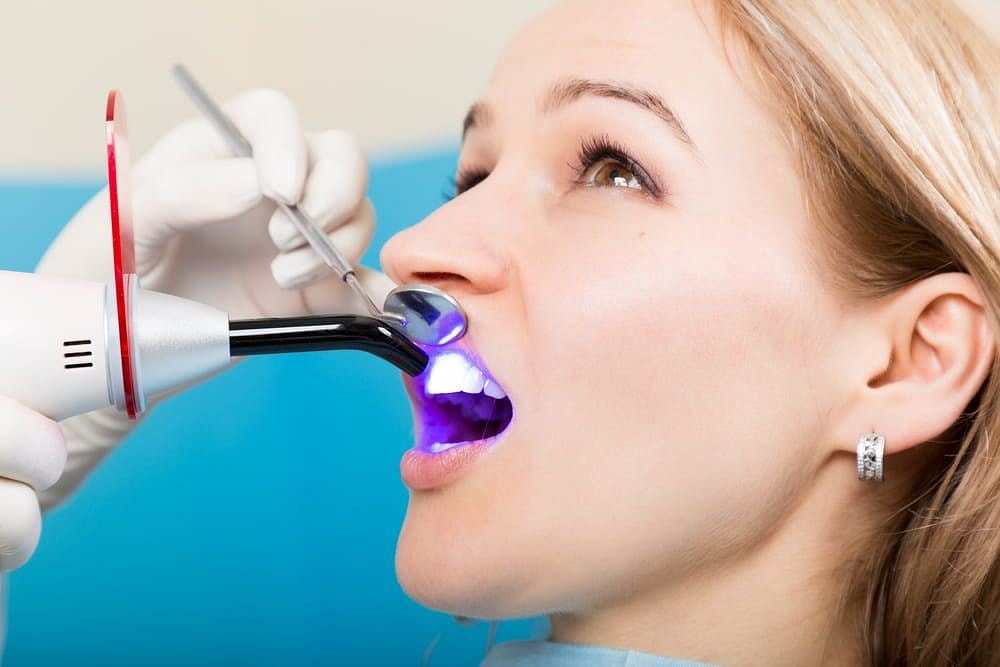
Dental bonding is a relatively conservative cosmetic treatment because composite resin can often be added directly to existing tooth structure with little or no enamel removal. The material is selected to blend with the patient’s natural tooth color and is carefully sculpted to create the desired shape. Once the dentist is satisfied with the contours, a special curing light hardens the resin before the surface is polished.
Bonding can be useful for relatively minor cosmetic concerns. For example, it may conceal a small chip, improve an uneven tooth edge, close a narrow space between teeth, or change the shape of a tooth that appears slightly shorter than its neighbors. Cleveland Clinic notes that bonding can often be completed during a single dental visit, which can make it appealing to patients who want a relatively straightforward cosmetic improvement.
Because bonding is performed directly on the tooth, the dentist has considerable control over the final contours. However, composite resin has different optical and physical properties from porcelain. The result can still look highly natural, but the material may become stained, worn, or chipped over time and may eventually need polishing, repair, or replacement.
Veneers take a different approach by covering the visible front surface of the tooth. According to the American Dental Association, veneers are custom-made coverings that can improve the appearance of chipped, stained, crooked, misshapen, or spaced teeth. Porcelain veneers are known for combining strength with a natural-looking appearance.
Porcelain can reproduce some of the translucency and light-reflecting qualities associated with natural enamel. This characteristic can be particularly useful when several front teeth are being changed together. Dentists can plan the shade, dimensions, contours, and proportions of multiple veneers to create greater consistency throughout the smile.
Traditional porcelain veneers usually require removal of some natural enamel so the restorations fit properly. The ADA emphasizes that veneer treatment involving enamel removal is not reversible. This makes the decision different from choosing conservative bonding. Patients considering veneers should understand that they are making a longer-term commitment to maintaining restorations on the treated teeth.
Cost is frequently one of the biggest differences patients notice when comparing these treatments. Dental bonding is generally less expensive upfront because composite resin is applied and sculpted directly by the dentist. It typically does not require a separately fabricated porcelain restoration or the laboratory process associated with conventional veneers.
Porcelain veneers generally have a higher initial cost because of the materials, planning, tooth preparation, laboratory fabrication, and placement involved. The exact price can vary substantially based on the number of teeth being treated, the type of veneer, complexity of treatment, geographic location, and other clinical considerations. For this reason, generalized online price estimates should not be treated as a personalized treatment quote.
It is also useful to consider cost over time rather than focusing exclusively on the initial expense. A lower upfront price does not necessarily mean a treatment will be less expensive throughout a patient’s lifetime. Bonding may require periodic repairs or replacement, while veneers may last longer before replacement becomes necessary. Conversely, a patient correcting one small chip may find that the simplicity and lower initial expense of bonding make more sense than placing a porcelain veneer.
Durability is another major difference between bonding and porcelain veneers. Composite resin is strong enough for many everyday cosmetic applications, but it can chip or wear, especially when subjected to excessive biting forces. Cleveland Clinic reports that dental bonding typically lasts approximately three to 10 years before it requires touch-ups or replacement, although actual longevity varies considerably among patients.
Porcelain veneers tend to have greater resistance to staining and wear. Cleveland Clinic reports an average veneer lifespan of approximately 10 to 15 years with proper care and maintenance. These ranges are not guarantees. Bite forces, tooth grinding, oral hygiene, dietary habits, trauma, and the condition of the underlying teeth can all affect how long either restoration lasts.
Patients should also remember that durable does not mean indestructible. Biting ice, chewing pens, opening packaging with the teeth, or regularly biting very hard foods with restored front teeth can damage both bonding and veneers. Patients who grind or clench their teeth may require additional evaluation because repeated forces can increase the likelihood of cosmetic restorations becoming damaged.
Both treatments can produce attractive results when appropriately planned and performed. For a small isolated imperfection, bonding may blend very naturally with neighboring enamel. A dentist can select a composite shade that closely resembles the surrounding tooth and sculpt the resin to restore a chipped corner or improve an irregular edge without dramatically changing the entire smile.
Porcelain veneers may offer advantages when patients want more extensive changes involving multiple visible teeth. Porcelain can provide excellent control over tooth color, translucency, proportions, and surface characteristics. Cleveland Clinic notes that veneers are designed to blend with natural teeth while concealing cosmetic concerns such as chips, cracks, gaps, and discoloration.
Appearance ultimately depends on more than the material. Tooth proportions, gum contours, facial characteristics, bite relationships, and the skill involved in treatment planning all influence the final result. A successful cosmetic restoration should complement the patient’s features rather than simply make every tooth identical.
Patients who regularly drink coffee, tea, or other deeply pigmented beverages may want to consider how each material responds to staining. Composite resin used in bonding can discolor over time. Although professional polishing may improve certain surface stains, bonding does not generally resist staining as effectively as porcelain. Cleveland Clinic specifically notes this difference when discussing the limitations of bonding.
Porcelain veneers generally offer greater stain resistance, which can help them maintain their shade over a longer period. However, natural teeth surrounding the veneers can still change color. Whitening natural teeth after restorations are placed can create differences in shade because restorative materials do not respond to bleaching in the same way natural enamel does.
Patients considering cosmetic dentistry should therefore discuss their desired tooth shade before treatment. If whitening is also part of the cosmetic plan, the sequence of treatments can be important for creating consistent results.
One of the most significant differences between these options is what happens to the natural tooth. Bonding is generally more conservative. In many cosmetic cases, little or no enamel needs to be removed before the resin is applied. Cleveland Clinic describes dental bonding as minimally invasive and notes that it is generally reversible.
Traditional porcelain veneers usually require some enamel removal. This allows the veneer to sit naturally against the tooth rather than creating excessive thickness. Because removed enamel does not grow back, conventional veneer treatment is generally considered irreversible. Patients receiving veneers should anticipate that the treated teeth will continue to require restorations in the future if their veneers eventually wear out or become damaged.
This difference can be especially important for younger patients or anyone hesitant about permanently modifying healthy enamel. A conservative treatment may sometimes be preferable when the cosmetic concern is small, while veneers may be considered when the desired transformation is extensive enough to justify additional preparation.
Bonding can be especially useful when only a small amount of cosmetic correction is necessary. A minor chip on one front tooth, a small gap, an uneven edge, or a slightly misshapen tooth may not require a laboratory-made restoration. Bonding can allow the dentist to make targeted changes while preserving most of the existing tooth structure.
It may also appeal to patients who want to improve their smile without making the financial or long-term commitment associated with porcelain veneers. Because treatment can often be completed in one visit, bonding can be convenient when the cosmetic concern is straightforward.
However, choosing bonding primarily because it costs less may not always be appropriate. If numerous teeth require substantial changes in shape or color, repeatedly adding large amounts of composite may not provide the same predictability or longevity as another restorative approach. Treatment should be selected according to the clinical situation rather than cost alone.
Veneers may be considered when cosmetic concerns involve several front teeth or when a patient wants substantial changes to tooth color, shape, size, or symmetry. They may also be useful for discoloration that does not respond adequately to whitening or for situations in which greater control over the visible appearance of several teeth is desired.
A patient seeking a comprehensive smile transformation may therefore discuss veneers as part of the treatment-planning process. In more complicated situations involving damaged, missing, or severely worn teeth, however, cosmetic veneers alone may not address the underlying problem. Other treatments such as crowns and bridges or a broader full mouth reconstruction may sometimes be evaluated depending on the patient’s oral health and functional needs.
The important distinction is that veneers are primarily cosmetic coverings. They should not be used to disguise untreated decay, active gum disease, or teeth that require significant structural restoration. The ADA recommends addressing existing dental problems before veneer treatment.
Neither bonding nor veneers eliminate the need for routine dental care. The natural tooth remains underneath the restoration, and cavities can still develop around restoration margins. Brushing with fluoride toothpaste, cleaning between teeth daily, and receiving appropriate professional dental care remain important.
Bonded teeth may periodically need polishing or repair if the composite becomes rough, stained, or chipped. Veneers also require monitoring because they can eventually chip, crack, loosen, or require replacement. The ADA advises patients with veneers to avoid habits such as biting fingernails or chewing hard objects and to continue maintaining good oral hygiene.
Protecting cosmetic dental work also means paying attention to the bite. Patients who grind their teeth should discuss this habit with their dentist. Depending on the situation, a protective appliance or another approach may be recommended to reduce excessive forces on teeth and restorations.
The decision between bonding and veneers ultimately involves balancing cost, durability, appearance, tooth preservation, and the extent of the desired cosmetic change. Bonding generally offers a more conservative and affordable approach for smaller corrections, while porcelain veneers may provide greater stain resistance, longevity, and control when a more extensive smile transformation is desired. Neither treatment is universally superior.
For patients in Chicago, IL researching their cosmetic dental options, a personalized examination is the most reliable way to determine which approach is appropriate. New Teeth Chicago Dental Implants and Dr. Irfan Atcha encourage patients to consider not only how they want their smile to look today, but also how much natural tooth structure will be altered, what maintenance may be required, and how the treatment fits into their long-term oral health. Understanding these differences makes it easier to choose a cosmetic approach based on informed expectations rather than appearance or price alone.
American Dental Association. (n.d.). Veneers. MouthHealthy, American Dental Association.
Cleveland Clinic. (2026). Dental Bonding. Cleveland Clinic Health Library.
Cleveland Clinic. (2022). Veneers: What Are Dental Veneers? Cost, Procedure & Advantages. Cleveland Clinic Health Library.



