

Published
9 minute read
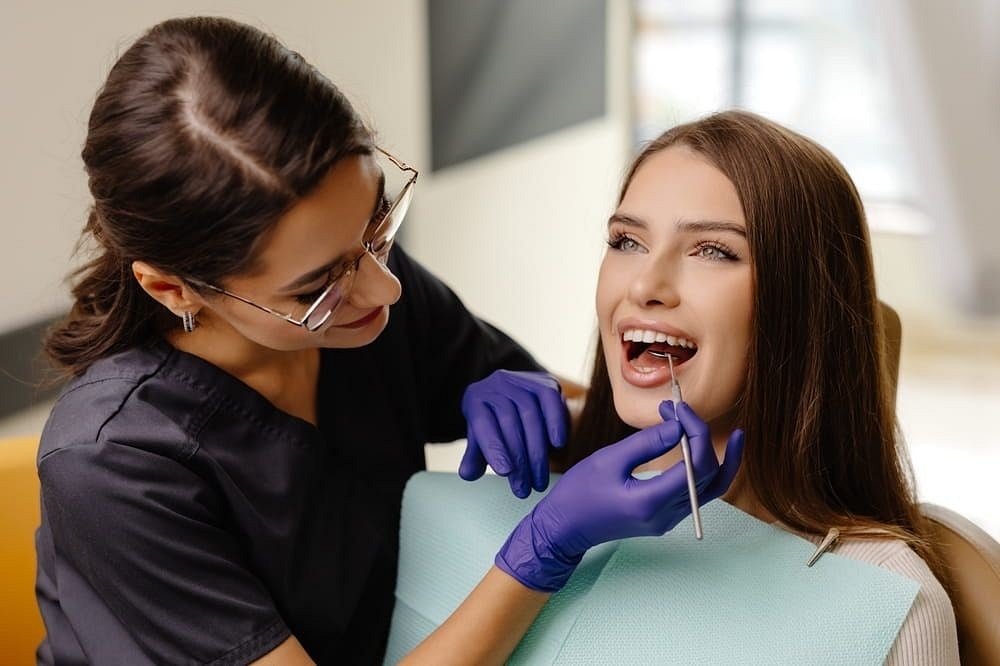
A smile can influence how people feel about their appearance, but even healthy teeth may have cosmetic characteristics that someone would like to change. Discoloration, uneven edges, small gaps, chips, and differences in tooth shape can all affect the overall balance of a smile. At New Teeth Chicago Dental Implants in Chicago, IL, Dr. Irfan Atcha and the dental team understand the importance of patient education when people are exploring options for improving their smiles. One treatment patients may encounter during their research is dental veneers.
Veneers are thin restorations designed to cover the visible front surface of a tooth. They are commonly made from porcelain or other tooth-colored materials and can change the apparent color, size, shape, or proportions of selected teeth. Rather than replacing a tooth, a veneer works with the existing tooth structure to create a different external appearance. Because several cosmetic concerns can sometimes be addressed at once, veneers have become an important option in modern cosmetic dentistry.
One reason veneers can produce a noticeable transformation is their versatility. Tooth discoloration is a common concern, particularly when stains are deep within the enamel or do not respond as expected to whitening. Veneers can cover the visible surface of affected teeth, allowing the dentist and patient to select a shade that complements the surrounding smile. They may also help improve the appearance of teeth that have become darker following trauma or other changes.
Shape and proportion can be addressed as well. A tooth that appears unusually short, narrow, slightly worn, or irregularly shaped may disrupt the visual symmetry of the smile. Veneers can modify the visible proportions so neighboring teeth appear more balanced. Small chips and worn edges may also be concealed, creating smoother contours.
Spacing and minor alignment concerns are another reason some patients consider veneers. Small gaps or mild visual irregularities may sometimes be disguised by changing the width or shape of selected teeth. However, veneers are not a substitute for orthodontic treatment when significant bite or alignment problems are present. A comprehensive dental evaluation helps determine whether a cosmetic restoration or another treatment approach is more appropriate.
Successful cosmetic dentistry involves more than making teeth uniformly white. Natural smiles contain subtle variations in shape, translucency, texture, and proportion. When veneers are planned carefully, these details can be incorporated into the restoration so the result complements the patient’s facial features rather than appearing artificial.
Dentists may evaluate tooth length, width, gum contours, lip position, facial symmetry, and the amount of tooth visible when a patient smiles or speaks. The relationship between neighboring teeth is equally important. Changing one tooth can influence how the surrounding teeth appear, which is why treatment planning often considers the smile as a whole.
The desired result also varies from person to person. Some patients prefer a brighter and more symmetrical appearance, while others want subtle improvements that preserve distinctive features of their natural teeth. Communicating expectations before treatment is therefore an important part of veneer planning.
The veneer process typically begins with a detailed dental examination and discussion of cosmetic goals. The dentist evaluates the teeth and gums, reviews the patient’s bite, and looks for conditions that may need attention before cosmetic treatment begins. Cavities, active gum disease, significant enamel loss, or other structural problems can affect whether veneers are appropriate.
When traditional porcelain veneers are planned, a small amount of enamel may need to be removed from the front surface of the teeth. This creates room for the restorations and helps prevent them from looking bulky. Impressions or digital scans may then be used to create veneers with dimensions tailored to the patient’s teeth. Temporary restorations may sometimes be worn while the final veneers are being prepared.
At the final placement appointment, the dentist evaluates the veneers for fit, shape, shade, and overall appearance before bonding them to the teeth. Adjustments may be made to improve comfort or bite relationships. Because enamel removal can make conventional veneer treatment irreversible, patients should understand the long-term commitment before proceeding.
Veneers are only one way to change the appearance of teeth. For relatively small chips, gaps, or shape irregularities, dental bonding may be considered. Bonding uses tooth-colored composite material that is shaped directly on the tooth. It can often be completed with less alteration of natural enamel, although the material may respond differently to staining and wear compared with porcelain.
Dental crowns are another restorative option, but they serve a different purpose. A veneer primarily covers the front portion of a tooth, whereas a crown generally surrounds much more of the tooth. Crowns and bridges may be considered when teeth require greater structural support because of extensive damage, decay, large restorations, or other concerns.
When cosmetic concerns occur alongside missing teeth, significant wear, bite problems, or multiple damaged restorations, treatment planning can become more comprehensive. In these situations, patients may learn about full mouth reconstruction, which involves developing an individualized plan to address several functional and restorative concerns.
A beautiful restoration depends on a healthy foundation. Veneers cover the visible surface of teeth, but they do not prevent cavities or gum disease. Natural tooth structure remains underneath and around each restoration, which means brushing, flossing, professional dental care, and regular examinations continue to be essential.
Gum health is particularly important because the gumline frames the veneers. Inflammation, swelling, or gum recession can affect both oral health and the appearance of restorations. Treating active periodontal concerns before cosmetic treatment can help establish a healthier and more stable environment.
Patients who grind or clench their teeth also need careful evaluation. Bruxism can place excessive force on natural teeth and restorations, potentially contributing to chipping, cracking, or premature wear. Depending on the individual, a dentist may recommend strategies to protect both natural teeth and cosmetic dental work.
Veneers are designed to be durable, but they are not considered permanent for life. Their longevity varies according to the veneer material, oral hygiene, bite forces, habits, diet, and overall dental health. Over time, a veneer may require repair or replacement because of wear, damage, changes in the surrounding tooth, or changes in the gumline.
Daily habits can make a meaningful difference. Veneers should not be used to bite fingernails, open packages, chew ice, or hold hard objects between the teeth. Although porcelain is strong, excessive concentrated pressure can damage a restoration. Patients should also continue brushing with an appropriate toothpaste and cleaning carefully between teeth.
Regular dental examinations remain important after veneers are placed. A dentist can examine the margins of the restorations, monitor the supporting teeth and gums, and identify changes before they become more extensive. Protecting the underlying oral health is one of the most important parts of maintaining a cosmetic result.
Veneers can create dramatic cosmetic improvements, but they are not appropriate for every person or every dental concern. Patients generally need enough healthy tooth structure to support the restoration. Extensive decay, weakened teeth, severe enamel loss, significant bite problems, or active gum disease may require treatment before veneers can be considered.
Expectations also matter. Veneers can alter the visible appearance of teeth, but treatment should still respect biological and functional limitations. An extremely dramatic change in tooth size, position, or color may not always be appropriate without considering how the changes affect the bite and surrounding oral structures.
This is why an individualized evaluation is essential. Cosmetic treatment planning should consider not only what a patient wants their smile to look like, but also what can be achieved while preserving long-term dental health.
One of the most important considerations with veneers is avoiding an appearance that feels overly uniform or disconnected from the patient’s facial characteristics. Natural teeth reflect light differently across their surfaces and often contain slight variations in color and translucency. Modern restorative materials can reproduce many of these characteristics.
The shape of the veneers is equally significant. Rounded edges may create a softer appearance, while more defined contours can produce a different visual effect. Tooth length and width must also remain proportional to the patient’s smile and facial structure. These details demonstrate why veneer treatment involves both technical dentistry and careful aesthetic planning.
Patients considering cosmetic changes can benefit from discussing reference photos, preferred tooth shades, desired levels of symmetry, and features they would like to preserve. Clear communication can help establish realistic expectations before any irreversible dental treatment begins.
Dental veneers can transform a smile by addressing several cosmetic concerns simultaneously, including discoloration, minor spacing, chips, uneven contours, and differences in tooth proportions. However, the most successful treatment is not simply about achieving whiter or straighter-looking teeth. It involves balancing cosmetic goals with the health of the natural teeth, gums, and bite.
For patients researching cosmetic dentistry in Chicago, IL, education is an important first step toward making a confident decision. New Teeth Chicago Dental Implants and Dr. Irfan Atcha encourage patients to understand the benefits, limitations, maintenance requirements, and alternatives associated with any dental procedure. Whether veneers, bonding, crowns, or another restorative approach is being considered, a personalized dental evaluation can help determine which option best supports both the appearance and long-term health of the smile.
American College of Prosthodontists. (n.d.). Veneers. American College of Prosthodontists.
American Dental Association. (n.d.). Veneers. MouthHealthy, American Dental Association.
Christensen, G. J. (2008). Facing the Challenges of Ceramic Veneers. Journal of the American Dental Association.



