

Published
6 minute read
Many people think temporomandibular joint (TMJ) disorders are only about jaw joints, clicking sounds, or headaches. While the jaw joints themselves are important, the way teeth fit together also plays a major role in how the jaw functions. The muscles, joints, teeth, and bite all work as one system. When one part becomes strained or unbalanced, symptoms may develop in other areas.
This is where restorative dentistry can become part of the conversation. Worn teeth, missing teeth, broken restorations, uneven bite pressure, and collapsed chewing surfaces may contribute to stress on the jaw system. At New Teeth Chicago Dental Implants, many patients in Chicago, IL are surprised to learn that rebuilding damaged teeth or correcting bite issues may sometimes help improve comfort and function when carefully planned.
TMJ disorders are complex and not every case is caused by dental problems. Stress, muscle tension, trauma, arthritis, sleep habits, and posture may also contribute. That is why a personalized evaluation is important instead of assuming there is one universal cause.
The temporomandibular joints connect the lower jaw to the skull and allow movement for speaking, chewing, swallowing, and yawning. A TMJ disorder is a broad term used for conditions affecting the joints, surrounding muscles, or movement patterns of the jaw.
Symptoms vary widely. Some patients notice clicking or popping sounds. Others experience facial soreness, tension headaches, jaw fatigue, limited opening, ear-area discomfort, or pain while chewing. Some people clench or grind their teeth without realizing it, especially during sleep.
Because symptoms can mimic sinus issues, ear concerns, or dental pain, many patients do not initially realize the jaw system is involved. A careful exam helps determine whether symptoms are joint-related, muscle-related, bite-related, or a combination of several factors.
Missing teeth do more than create spaces in a smile. Teeth help maintain bite support and distribute chewing forces evenly. When teeth are lost, remaining teeth may shift, over-erupt, or absorb more pressure than they were designed to handle. This can gradually change how the jaw closes and how muscles work during chewing.
For some patients, this imbalance may contribute to fatigue or strain in the jaw system. Chewing on one side only, avoiding certain foods, or compensating around missing teeth can also reinforce unhealthy movement patterns over time. Not every person with missing teeth develops TMJ symptoms, but it can be a contributing factor in some cases.
Replacing missing teeth may restore better support and function. Depending on the situation, options may include Crowns and Bridges, Same-Day Dental Implants, or Implant Supported Dentures.
Teeth naturally wear over time, but significant grinding, clenching, fractures, or erosion can reduce the height and shape of biting surfaces. When that happens, the bite may become less stable. Certain teeth may hit too hard, while others may no longer contact properly. Jaw muscles often adapt by working harder to guide the bite into place.
This type of compensation can create fatigue or soreness in some individuals. Patients may notice morning jaw tightness, sensitive teeth, or headaches near the temples. Cracked teeth and flattened chewing surfaces are common clues that excess force may be part of the picture.
Restorative treatment may help rebuild damaged anatomy and improve bite harmony when appropriate. Depending on the extent of wear, solutions might include Dental Bonding, crowns, or more comprehensive rehabilitation.
In selected cases, restorative dentistry may be one component of a broader treatment plan. If missing teeth, unstable restorations, severe wear, or bite collapse are contributing to dysfunction, restoring structure and support may reduce strain on the system. The goal is not simply cosmetic improvement—it is improved function.
That said, treatment should be approached carefully. TMJ symptoms can involve joints, muscles, habits, and lifestyle factors beyond the teeth alone. Many patients benefit first from conservative care such as soft diet changes, stress reduction, jaw exercises, physical therapy, anti-inflammatory guidance, or protective nightguards before major restorative changes are considered.
When restorative treatment is appropriate, it is often phased and highly individualized. Small changes may be tested before larger treatment plans are completed. This helps ensure comfort and function are improving rather than guessing at a solution.
The right treatment depends on the condition of the teeth, bite, and jaw system. There is no one-size-fits-all answer, but common options may include targeted or comprehensive care.
Potential solutions may include:
The most successful outcomes usually come from accurate diagnosis rather than choosing treatment based only on symptoms.
Many TMJ-related issues are connected to bruxism, the habit of clenching or grinding teeth. This may happen during stressful daytime moments or unconsciously during sleep. Over time, grinding can damage restorations, wear natural teeth, overload muscles, and irritate the joints.
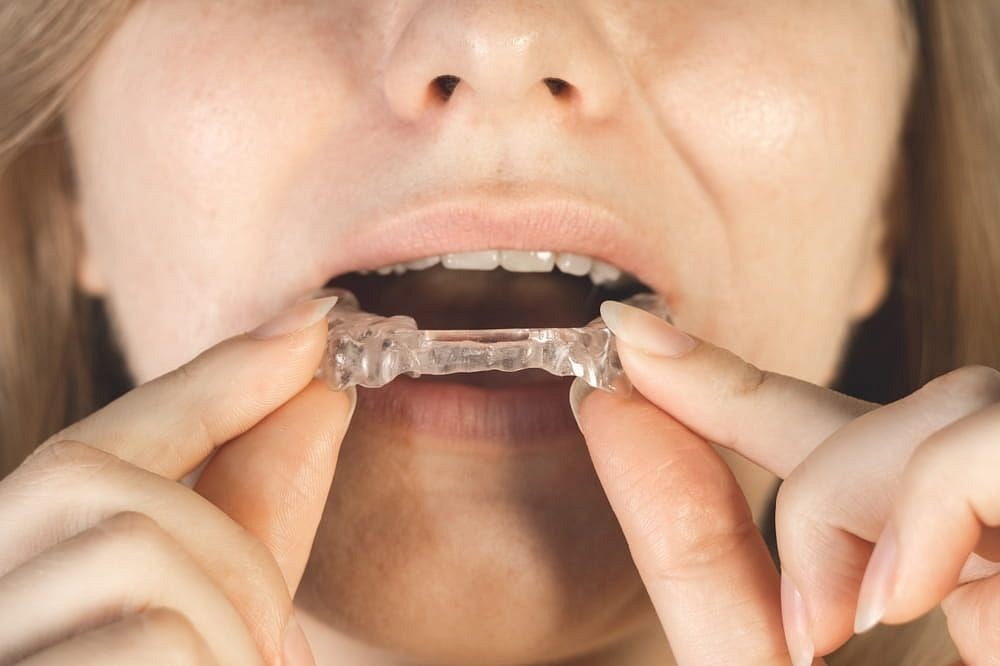
Patients who invest in restorative care often need to protect that investment from future grinding forces. Nightguards or occlusal guards may be recommended depending on the case. These appliances do not cure every TMJ disorder, but they may reduce destructive forces and protect teeth and dental work.
Addressing stress, sleep quality, and jaw habits may be just as important as restoring teeth. Functional care often works best when mechanical and behavioral factors are managed together.
Jaw clicking alone is not always an emergency, but persistent pain, locking, difficulty chewing, frequent headaches, or damaged teeth should not be ignored. Symptoms that interfere with eating, sleep, or daily comfort deserve professional attention.
An evaluation may include examination of jaw movement, muscle tenderness, wear patterns, missing teeth, bite contacts, and the condition of existing restorations. In some cases, imaging may also be useful. The purpose is to understand the cause—not just the symptom.
Early evaluation can often prevent progression and expand treatment options before damage becomes more significant.
TMJ disorders are often multifactorial, but the condition of your teeth and bite can be an important part of the picture. Missing teeth, worn surfaces, broken dental work, and uneven bite forces may all influence how the jaw system functions. When these issues are present, restorative dentistry may play a valuable role in improving support and comfort.
Patients in Chicago, IL experiencing jaw symptoms should know that solutions are often available once the underlying causes are identified. New Teeth Chicago Dental Implants encourages patients to seek a personalized assessment, protect their oral structures early, and take the next step toward a healthier, more comfortable smile.
de Leeuw, R., & Klasser, G. D. (2018). Orofacial Pain: Guidelines for Assessment, Diagnosis, and Management. Quintessence Publishing.
Greene, C. S. (2010). Managing the Care of Patients with Temporomandibular Disorders. Journal of the American Dental Association.
Okeson, J. P. (2020). Management of Temporomandibular Disorders and Occlusion. Elsevier.



