

Published
11 minute read
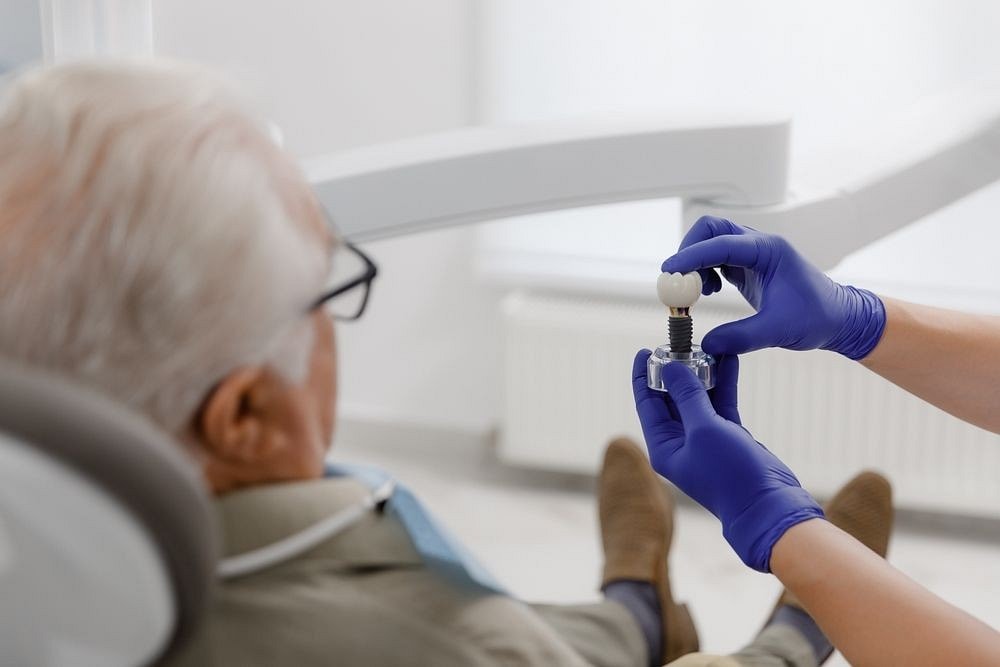
As we age, maintaining a healthy smile becomes increasingly important, not just for aesthetics but also for overall well-being. Dental implants have become a transformative solution for those experiencing tooth loss, offering a permanent and natural-looking alternative to dentures. However, for seniors considering this option, questions often arise about whether age can impact the success of the procedure. Does being older mean you’re not a good candidate for dental implants? The good news is that age itself is rarely a barrier. In this blog, we’ll explore how age affects the dental implant process, address common concerns for seniors, and highlight why implants can be a life-changing choice at any stage of life.
Dental implants are a modern and effective solution for replacing missing teeth, designed to mimic the structure and function of natural teeth. Unlike traditional dentures or bridges, implants are surgically placed into the jawbone, providing a strong foundation for replacement teeth that look, feel, and function like your own.
The implant process typically involves three main steps:
With proper care, dental implants can last a lifetime, making them a preferred choice for many seniors looking to regain their confidence and oral functionality. However, understanding how age-specific factors can influence the process is crucial, which we’ll explore in the following sections.
For many seniors considering dental implants, age-related concerns may lead to hesitation. While these concerns are valid, modern dentistry has advanced significantly, offering effective solutions to address them. Here’s a look at some of the most common concerns and how they are managed to ensure successful outcomes.
Age-related concerns are common, but they are rarely barriers to getting dental implants. With modern techniques, personalized care, and a team approach that includes dental and medical professionals, seniors can enjoy the benefits of dental implants with minimal worry. By addressing these concerns proactively, older adults can confidently move forward toward achieving a healthier, more functional smile.
Dental implants offer numerous advantages for seniors, extending well beyond the cosmetic appeal of a restored smile. Understanding these benefits can help seniors make informed decisions about their oral health care.
One of the most significant benefits of dental implants is the restoration of full chewing power. Unlike dentures, which can slip or cause discomfort while eating, implants function like natural teeth anchored securely in the jawbone. This stability allows seniors to enjoy a wider variety of foods, contributing to better nutrition and overall health. Additionally, dental implants eliminate speech difficulties often associated with missing teeth or ill-fitting dentures, enabling clearer pronunciation and more confident conversations.
Missing teeth or removable dentures can affect self-esteem and willingness to engage socially. Dental implants provide a permanent solution that looks, feels, and functions like natural teeth. This restoration can significantly boost self-confidence, encouraging seniors to smile more freely and participate in social activities without worry. The psychological benefits of feeling comfortable with one’s appearance can positively impact mental health and overall quality of life.
While the initial investment for dental implants may be higher than other tooth replacement options, their longevity makes them a cost-effective choice in the long run. Implants are designed to last many years, often a lifetime with proper care, reducing the need for frequent replacements or adjustments common with dentures and bridges. This durability not only saves money over time but also spares seniors the inconvenience of repeated dental appointments for maintenance.
Dental implants help maintain and stimulate the jawbone, preventing the bone loss that typically occurs with missing teeth. This preservation is crucial for maintaining facial structure and preventing the sunken appearance that can develop over time with dentures. By keeping the jawbone healthy, implants contribute to a more youthful appearance and prevent further oral health issues related to bone deterioration.
Unlike dentures, which require daily removal and special cleaning routines, dental implants can be cared for just like natural teeth—with regular brushing, flossing, and dental check-ups. This ease of maintenance simplifies daily oral hygiene routines, making it more manageable for seniors. Additionally, implants eliminate the need for messy adhesives or the worry of dentures slipping out of place.
By offering functional, aesthetic, and health benefits, dental implants can significantly enhance the day-to-day experiences of seniors. The ability to eat comfortably, speak clearly, and smile confidently contributes to overall happiness and well-being. For many seniors, dental implants are not just a tooth replacement option but a transformative investment in their quality of life.
For seniors considering dental implants, preparation and informed decision-making are essential to ensure a successful and comfortable experience. While age itself is not a limitation, there are several key factors to keep in mind when planning for implants. Here’s what seniors should consider:
Before starting the implant process, it’s crucial to undergo a thorough evaluation of your oral and overall health. This includes:
A detailed evaluation helps your dentist customize the implant process to meet your specific needs and minimize risks.
Experience matters when it comes to dental implants, especially for seniors with unique health considerations. Look for a dentist or oral surgeon who:
Don’t hesitate to ask questions, such as:
The dental implant process involves multiple stages, from initial consultation to final restoration. Seniors should prepare for a timeline that may include:
Discussing the timeline with your dentist helps set realistic expectations and plan accordingly.
Implants require a strong commitment to maintaining oral health. Seniors should ensure they can:
While dental implants are a long-term investment, the initial cost can be a concern for some seniors. Factors to consider include:
Dental implants can significantly improve quality of life, but it’s important to have realistic expectations. While implants restore chewing function, speech clarity, and aesthetics, they require proper care to last a lifetime. Open communication with your dentist can help align expectations with outcomes.
Getting dental implants as a senior is a decision that requires careful consideration, but with the right planning and guidance, the process can be smooth and highly rewarding. By selecting an experienced dentist, understanding the steps involved, and committing to oral care, seniors can enjoy the transformative benefits of dental implants—restoring their smile, confidence, and quality of life.
Dental implants offer seniors a transformative solution to restore their smile, improve oral function, and enhance overall quality of life. While age brings unique considerations, such as bone density, healing time, and chronic conditions, these challenges can be addressed with modern dental advancements and personalized care. By working closely with an experienced implant dentist, seniors can overcome potential concerns and enjoy the long-term benefits of a healthier, more confident smile. If you’re a senior considering dental implants, take the first step by scheduling a consultation to explore your options and begin your journey toward a renewed sense of well-being and self-assurance.



