

Published
9 minute read
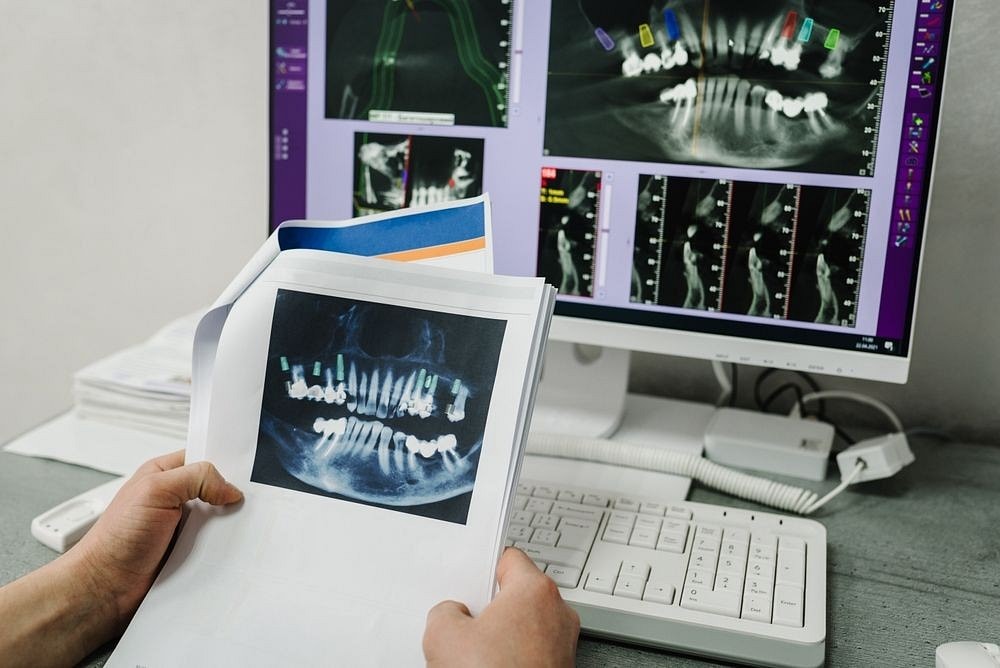
Dental implants have revolutionized modern dentistry, offering a long-lasting solution for restoring function and aesthetics to those with missing teeth. However, the success of these procedures depends heavily on careful planning and precision. Enter digital imaging—a game-changing technology that has transformed the way dental implants are designed and placed. By providing detailed, three-dimensional insights into the patient’s jaw structure and anatomy, digital imaging enables dental professionals to plan implant procedures with unparalleled accuracy. In this blog, we’ll explore the pivotal role digital imaging plays in ensuring successful dental implant outcomes, enhancing both the treatment process and patient experience.
Digital imaging has become a cornerstone of modern dental care, particularly in the field of dental implantology. It refers to the use of advanced imaging technologies to capture detailed visuals of a patient’s oral structures, including bones, teeth, and soft tissues. Unlike traditional 2D X-rays, digital imaging offers high-resolution, three-dimensional images that allow for more precise diagnosis and treatment planning.
CBCT is a specialized type of imaging that produces 3D views of the teeth, jawbone, and surrounding tissues. This technology provides dentists with a comprehensive understanding of the bone density, quality, and anatomical landmarks critical for implant placement.
Once CBCT scans are taken, they can be processed using advanced software to create a virtual model of the patient’s mouth. This model helps simulate the ideal positioning and angulation of implants before surgery.
Instead of using traditional impression materials, digital scanners capture a precise image of the oral cavity. These impressions are quicker, more comfortable for patients, and offer enhanced accuracy for planning and fabricating custom prosthetics.
Digital imaging not only surpasses traditional techniques in terms of precision but also streamlines the entire implant process. By offering a detailed visualization of the patient’s anatomy, it sets the foundation for a treatment plan tailored to the patient’s unique needs.
Digital imaging has redefined how dental implants are planned and executed, offering numerous advantages that contribute to successful outcomes. From precision to patient comfort, the benefits of this advanced technology are transforming the implant process for both practitioners and patients.
Digital imaging provides a detailed, three-dimensional view of the patient’s oral anatomy, including bone structure, density, and surrounding nerves or sinuses. This level of accuracy ensures that implants are placed in the most optimal position, avoiding complications and promoting long-term stability.
By simulating the procedure virtually, digital imaging allows dental professionals to create a highly customized plan. They can design the exact placement, angle, and depth of the implant to align with the patient’s existing teeth and jaw structure, leading to better aesthetics and functionality.
One of the most significant advantages of digital imaging is its ability to identify potential challenges before surgery. Dentists can detect insufficient bone density, proximity to critical anatomical structures, or other complications, allowing them to address these issues proactively. This minimizes the risk of surgical errors and postoperative complications.
Digital imaging streamlines the implant planning process, enabling quicker diagnoses and treatment decisions. With immediate access to high-quality images, dentists can efficiently collaborate with lab technicians to design prosthetics and surgical guides, reducing the time between consultation and procedure.
Patients often feel more confident when they can see and understand their treatment plan. Digital imaging provides a visual representation of the procedure, helping patients grasp the intricacies of their treatment and feel assured about the outcomes.
By integrating digital imaging into dental implant planning, dentists can achieve higher precision, improve patient satisfaction, and ensure a smoother path to successful implant placement. This technology not only benefits the clinical team but also transforms the patient experience, making dental implants a more predictable and stress-free option.
The integration of digital imaging into dental implant procedures follows a systematic process, ensuring precision and efficiency from start to finish. Here’s a step-by-step look at how digital imaging enhances every stage of the implant journey:
The process begins with a comprehensive consultation where digital imaging plays a key role. Cone Beam Computed Tomography (CBCT) scans are taken to create a detailed, three-dimensional view of the patient’s oral and maxillofacial structures. This imaging reveals critical details such as bone density, jaw anatomy, and the position of nerves and sinuses, forming the foundation for accurate diagnosis and treatment planning.
Using advanced 3D imaging software, the CBCT scans are transformed into a virtual model of the patient’s mouth. This model allows the dentist to:
Based on the virtual plan, a surgical guide is fabricated using 3D printing technology. These guides are custom-designed to fit the patient’s mouth and act as a roadmap during the procedure. They ensure precise implant placement, reducing the likelihood of deviations and enhancing surgical efficiency.
On the day of the procedure, the surgical guide and digital imaging data are used to place the implants with unparalleled accuracy. The real-time reference provided by these tools minimizes guesswork and ensures the implants are positioned as planned.
After the procedure, digital imaging can be used to assess the implant’s integration with the jawbone and monitor the healing process. Follow-up scans ensure the implant is secure and ready for the final restoration phase, such as attaching crowns, bridges, or dentures.
By leveraging digital imaging throughout the implant process, dentists can achieve greater accuracy, reduce procedural risks, and deliver superior results. This step-by-step integration ensures that patients receive care that is both advanced and personalized to their unique needs.
One of the most remarkable aspects of digital imaging is how it transforms the patient experience, making dental implant procedures more comfortable, efficient, and reassuring. From the initial consultation to post-procedure care, this technology plays a vital role in building trust and delivering a positive journey for patients.
Digital imaging allows patients to see detailed 3D representations of their oral structures, giving them a clearer understanding of their condition and treatment plan. This transparency fosters confidence, as patients can visualize how their implants will look and function within their mouths.
By providing comprehensive insights into the jaw’s anatomy, digital imaging enables a more precise and targeted approach to surgery. This reduces the need for exploratory procedures, minimizes tissue trauma, and promotes faster recovery times, creating a more comfortable experience for patients.
With the efficiency of digital imaging, the overall timeline for dental implant procedures is often shortened. Patients benefit from fewer appointments, faster diagnoses, and quicker transitions between planning, surgery, and restoration phases. This means less time spent in the dental chair and more time enjoying the results.
Digital imaging ensures that every aspect of the treatment is tailored to the patient’s unique anatomy and needs. This level of customization not only improves the outcome but also makes patients feel valued and cared for, enhancing their overall satisfaction.
Knowing that their dentist is using state-of-the-art tools like CBCT and 3D imaging software reassures patients that they are receiving the highest standard of care. This trust in technology often alleviates anxiety and encourages patients to proceed with their treatment.
By integrating digital imaging into the dental implant process, practices can offer a patient-centered approach that combines precision with comfort. The result is not just a successful procedure but also an experience that leaves patients feeling informed, supported, and confident in their dental care journey.
As technology continues to advance, digital imaging is poised to revolutionize dental implantology even further. Emerging trends are set to make the process even more precise, efficient, and accessible for both dental professionals and patients.
AI-powered software is being developed to analyze CBCT scans and other imaging data automatically. These tools can provide predictive insights, suggest optimal implant placement, and identify potential complications, further streamlining treatment planning and improving outcomes.
Advancements in real-time imaging technology are enabling dentists to monitor implant placement as it happens. This dynamic feedback allows for on-the-spot adjustments, ensuring even greater accuracy and reducing the risk of complications.
VR and AR are finding their way into dental practices, offering immersive tools for planning and education. Dentists can use these technologies to simulate procedures, while patients can visualize the outcomes of their treatments in a highly interactive way.
As digital imaging equipment becomes more affordable, more practices are expected to adopt these technologies. This democratization of advanced tools will make high-quality implant planning available to a broader range of patients.
Future imaging technologies are focusing on reducing radiation exposure and energy consumption. These improvements will make digital imaging safer and more environmentally friendly, aligning with the growing emphasis on sustainability in healthcare.
Digital imaging has transformed dental implantology, offering unparalleled precision, efficiency, and patient comfort. From 3D CBCT scans to AI-driven planning and real-time imaging, these technologies ensure successful outcomes while enhancing the patient experience. As advancements continue, digital imaging will further refine implant procedures, making them more accessible and effective than ever before. Patients seeking dental implants should prioritize practices that leverage these cutting-edge tools, ensuring a journey that is both technologically advanced and deeply personalized. With digital imaging at the forefront, the future of dental implants looks brighter than ever.



