

Published
1 minute read
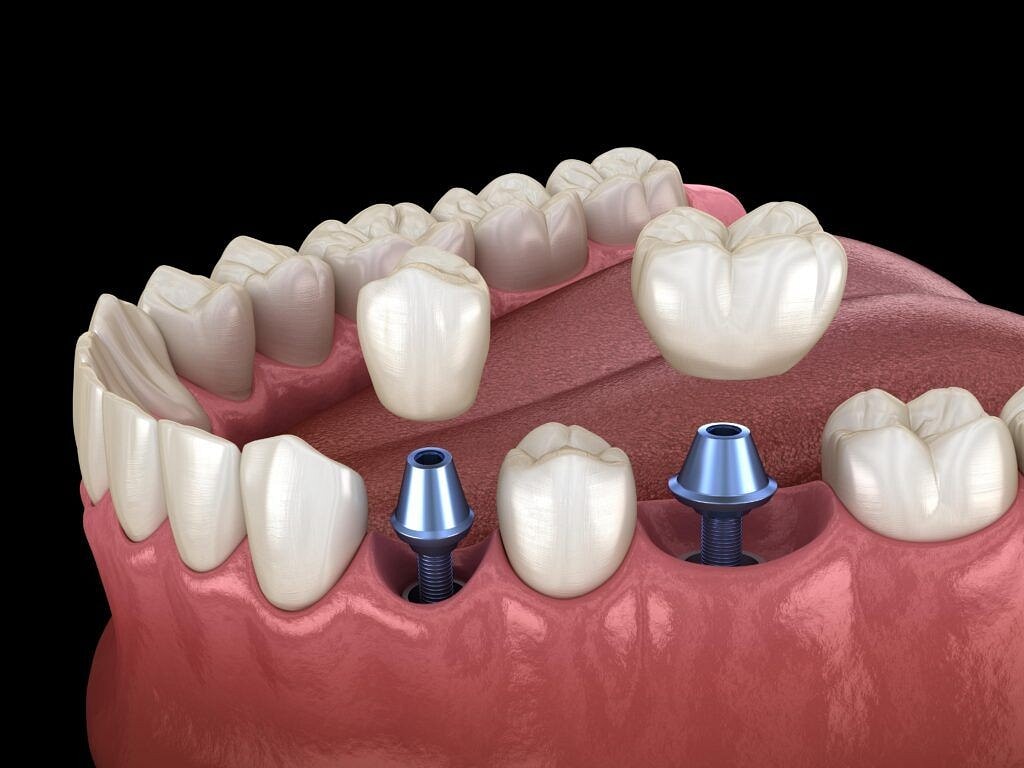
Dental implants have revolutionized the way we approach tooth loss. They not only restore the function and aesthetics of natural teeth but also help preserve oral health in the long run. A dental implant is typically composed of three parts: the implant post, the abutment, and the prosthetic tooth. Today, we’re diving into the critical but often overlooked component of this trio: the abutment.
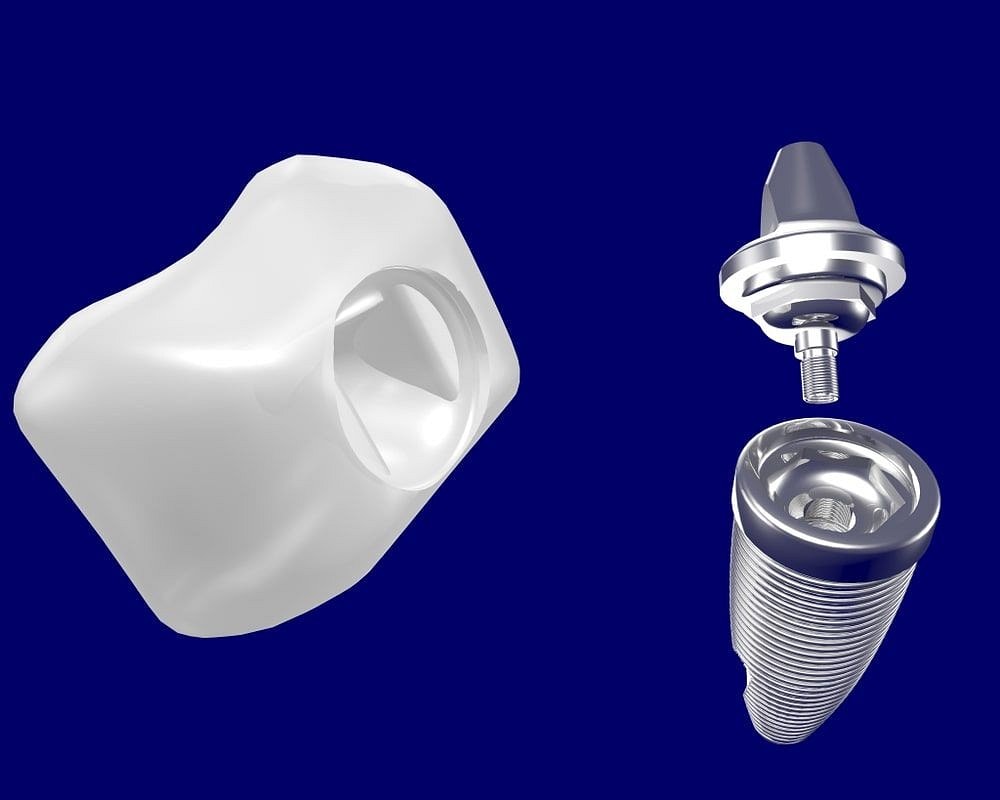
An abutment serves as the connecting element between the implant post that is securely anchored in the jawbone and the visible replacement tooth or teeth. Its primary role is to provide a stable and secure base for the implant crown, bridge, or denture.
Abutments are manufactured from a variety of materials and are designed differently based on their intended function, material compatibility, aesthetic requirements, and the implant system used. Let’s explore the main types of dental implant abutments and their specific uses.
Abutment Type | Description | Common Uses |
|---|---|---|
| Stock Abutments | Pre-fabricated abutments that come in a range of standard sizes and shapes. | Suitable for situations with a less critical aesthetic demand, like posterior placements where the gum tissue is more forgiving. |
| Custom Abutments | Tailor-made for the patient, taking into account the specific shape of their gum tissue and the alignment of surrounding teeth. | Used when an exact match to a patient’s dental anatomy is needed for optimal aesthetics and function, such as with front teeth replacements. |
| Healing Abutments | Temporary abutments placed to aid the gum tissue in healing around the implant, setting the stage for the permanent abutment. | Employed directly after implant placement, to shape the gum tissue and make it ready for the final prosthetic work. |
| Angled Abutments | Designed to adjust the angle of the prosthetic tooth when the implant is not placed in the perfect upright position. | Used when dental implants have been inserted at an angle due to bone quantity, location, or other anatomical considerations. |
| Zirconia Abutments | Made from zirconium dioxide, offering a color more similar to natural teeth, with excellent biocompatibility. | Preferred in the anterior region for aesthetic purposes, especially when the patient has thin gum tissue that might otherwise show a metal abutment through. |
| Titanium Abutments | Constructed from titanium, known for its strength and durability, and commonly used in medical implants. | Frequently used for molar implant restorations where the force of chewing is strongest and cosmetic appearance is of less concern. |
Published
5 minute read
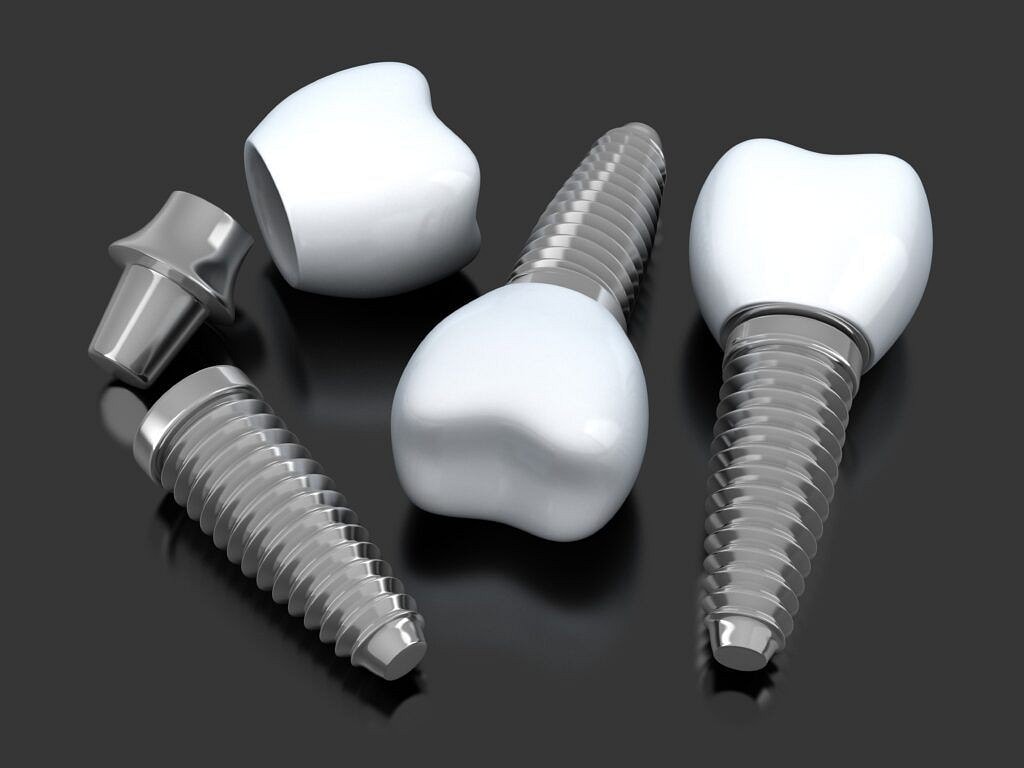
These are pre-manufactured abutments available in various shapes and sizes. They are the “off-the-shelf” option for dental implant restorations, which provide a cost-effective and time-efficient solution. However, because they’re not customized for individual patients, there may be compromises in terms of fit and aesthetics. They are generally used when the implant is placed in a location with ample soft tissue coverage and less esthetic concern, such as the posterior regions of the mouth.
Custom abutments are individually crafted to fit the unique contour of a patient’s gums and adjacent teeth. They are usually made after taking an impression of the implant and the surrounding tissue, ensuring a precise fit. This customization can lead to better aesthetic outcomes, especially in the anterior or visible areas of the mouth. The ability to tailor the emergence profile—the way the abutment comes out through the gums—can also promote better oral hygiene by facilitating easier cleaning around the base of the crown.
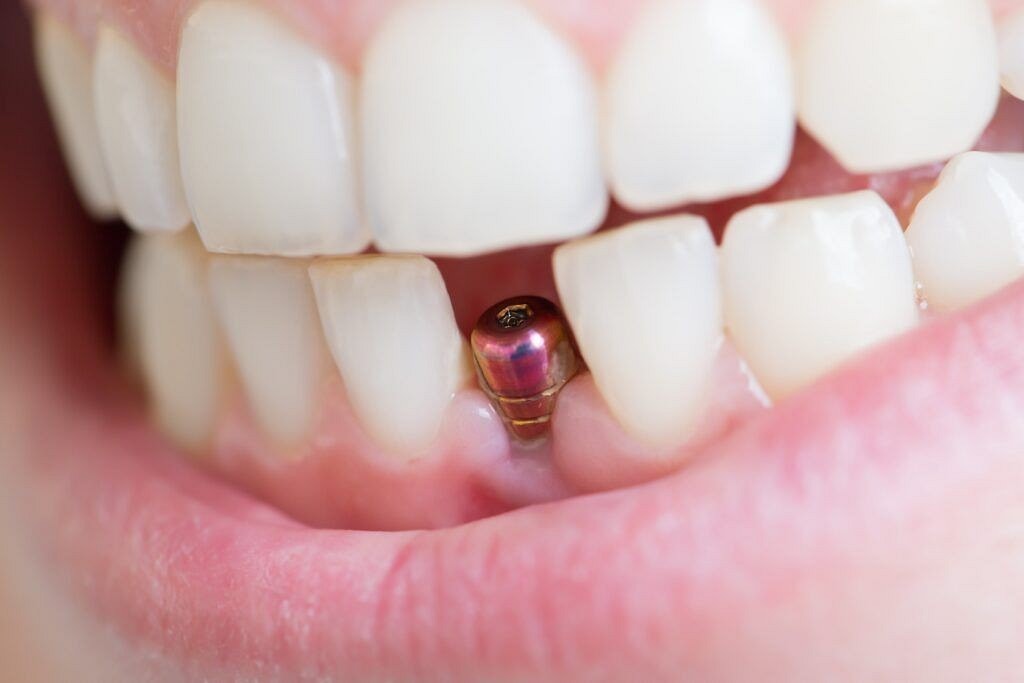
Healing abutments, also known as healing caps, play a role immediately after the implant surgery. They help shape and maintain the gum tissue around the implant site during the healing phase. Once the site is healed, the permanent abutment replaces the healing cap.
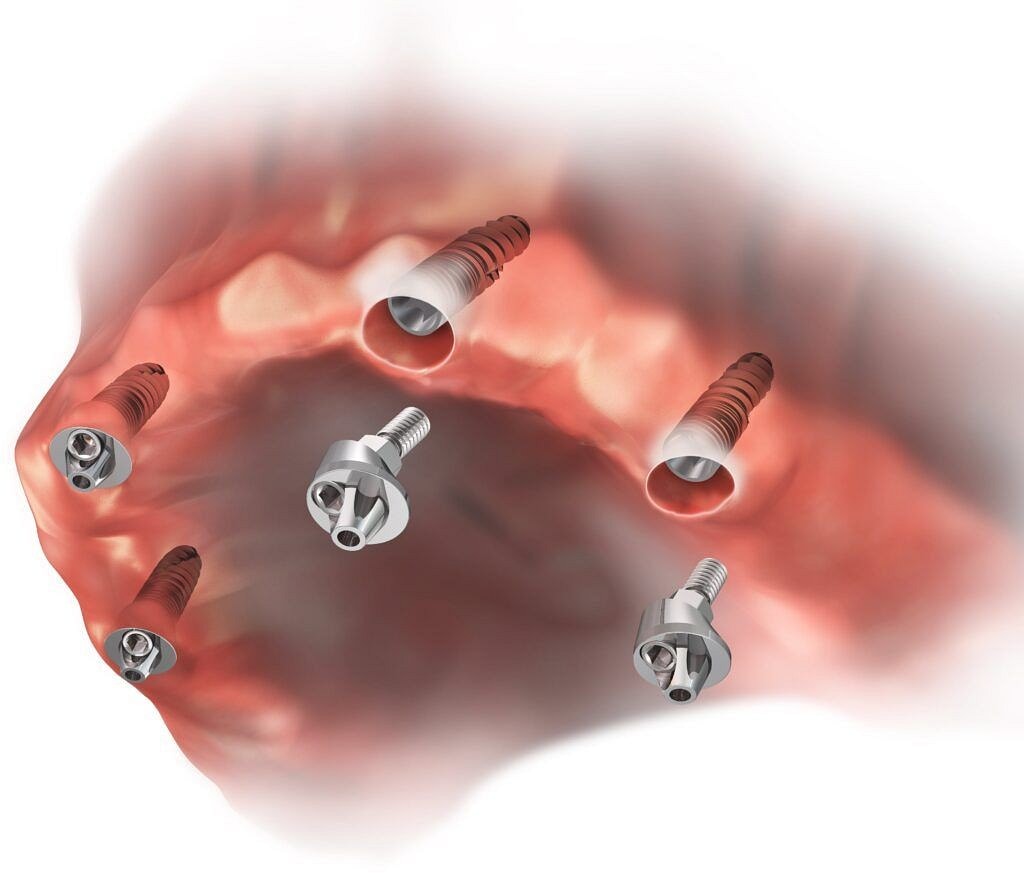
Angled or angled correction abutments are used when an implant is placed in an area with an inadequate bone or is not in the ideal angulation due to anatomical constraints. These abutments can correct the angle by up to 45 degrees, which enables the prosthetic tooth to be aligned properly with the rest of the teeth, ensuring functionality and a natural appearance.
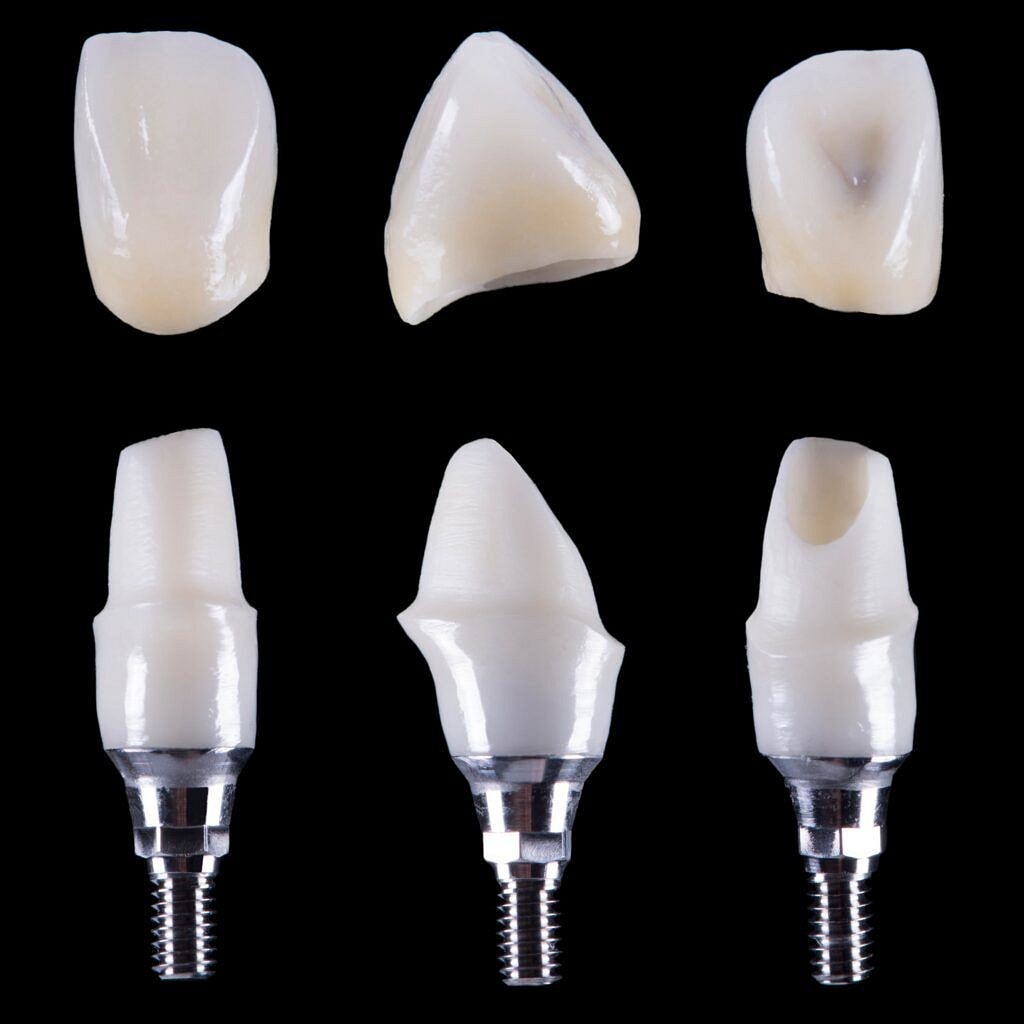
Zirconia abutments are chosen for their aesthetic qualities, as zirconia has a tooth-like color that blends with the natural dentition. These are particularly useful for front-tooth replacements where metal abutments might show through thin gum tissue. Zirconia is also biocompatible and resists plaque buildup, making it an excellent choice for patients concerned with gum health and appearance.
Titanium is a popular material for abutments due to its strength, biocompatibility, and ability to integrate with bone. It’s typically used in the back of the mouth where the forces from chewing are greatest, and the need for cosmetic appeal is less pressing. Titanium abutments are also less expensive than zirconia and can be used in both stock and custom forms.
The choice of abutment is a critical decision in the dental implant process and involves consideration of several factors:
Dental implant abutments are essential for a successful and long-lasting implant. They not only serve as a bridge between the implant and the crown but also influence the overall health of the surrounding tissue and integration with the bone. As dental technology advances, we may see even more innovative solutions for personalized dental care that will continue to improve the quality of life for patients with missing teeth.



