

Published
6 minute read

Temporomandibular Joint Dysfunction (TMD/TMJ) is a condition that affects millions of people worldwide. TMD/TMJ can cause a range of symptoms, including pain, stiffness, and clicking of the jaw, which can greatly impact a person’s quality of life. While there are several traditional treatment options for TMD/TMJ, such as physical therapy and medication, dental implants have emerged as a promising alternative for treating the condition. In this blog, we will explore the use of dental implants in the treatment of TMJ issues, including their benefits and risks, the implant procedure, and aftercare, among other things.
TMJ stands for Temporomandibular Joint, which is the joint connecting the jawbone to the skull. The temporomandibular joint is a complex joint that allows for the opening and closing of the mouth, as well as the movement of the jawbone from side to side and forward and backward. The TMJ is made up of several components, including the mandible (jawbone), temporal bone (skull bone), articular disc (a cushioning structure between the two bones), and several ligaments and muscles. The TMJ is an important joint for eating, speaking, and facial expressions, and any issues with the TMJ can result in discomfort, pain, and limited movement of the jaw.
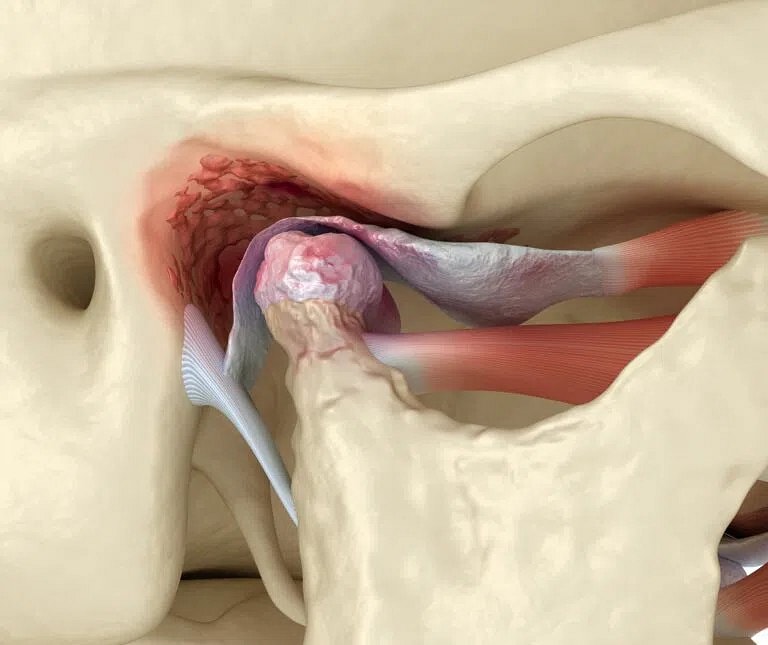
TMJ disorder or TMD (Temporomandibular Joint Dysfunction) is a condition that affects this joint and the surrounding muscles.There is no single cause of TMD, but it is generally believed to result from a combination of factors that affect the proper function of the TMJ. Some common causes of TMD include: Trauma or injury to the jaw, head, or neck; Arthritis or other inflammatory joint disorders; Teeth grinding or clenching (bruxism); Malocclusion (misaligned bite); Stress and tension that cause muscle tension in the face and jaw; Dental problems, such as missing teeth or poorly fitting dentures; or Genetics, which can play a role in the development of TMD.
Temporomandibular Joint Dysfunction (TMD/TMJ) can cause a variety of symptoms that can impact a person’s daily life. Some common TMJ symptoms include:
If you are experiencing any of these symptoms, it is important to seek the advice of a dental or medical professional for proper diagnosis and treatment. There are several traditional treatment options for TMD/TMJ, including physical therapy, medication, and surgery. However, dental implants can also be used in the treatment of TMD/TMJ.
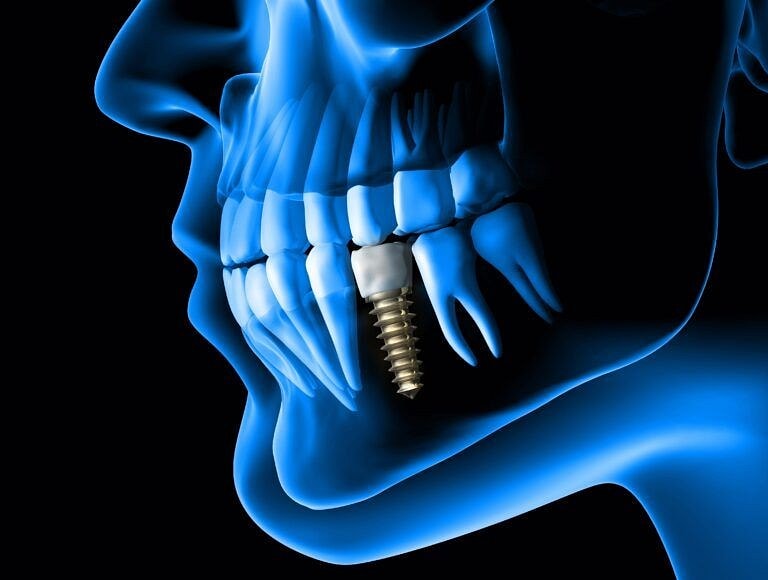
Dental implants are artificial tooth roots made of biocompatible materials, such as titanium or zirconia, that are surgically placed into the jawbone. Once placed, dental implants fuse with the surrounding bone through a process called osseointegration, which provides a stable foundation for a replacement tooth or bridge.
Dental implants consist of three parts: the implant, the abutment, and the crown. The implant is the part that is surgically placed into the jawbone and serves as the artificial tooth root. The abutment is a small connector that attaches to the top of the implant and supports the crown. The crown is the visible part of the implant and is designed to look and function like a natural tooth.
Dental implants can be used to replace one or more missing teeth and can also be used to support dentures or bridges. They are a popular treatment option for people with missing teeth because they offer a more natural-looking and permanent solution than traditional dentures or bridges. They can also be used to treat TMD/TMJ, especially in cases where a patient has one or more missing teeth.
One of the main ways that dental implants improve TMD symptoms is simply by replacing missing teeth. Missing teeth can contribute to TMD symptoms in several ways. When teeth are missing, it can cause the remaining teeth to shift and change the way the upper and lower teeth fit together (bite). This can result in an uneven distribution of pressure on the jaw joint, leading to TMD symptoms such as pain, stiffness, and clicking of the jaw. Additionally, missing teeth can cause the jawbone to shrink and weaken over time, which can further exacerbate TMD symptoms.
Dental implants can offer several benefits in the treatment of TMD symptoms, including:
Overall, dental implants can be an effective and long-term solution for treating TMD symptoms related to missing teeth, improving the patient’s quality of life and restoring their ability to eat, speak and smile with confidence. However, it is important to note that TMD is a complex condition, and treatment may require a multidisciplinary approach that involves a dental professional, physical therapist, or other healthcare provider, depending on the severity of the symptoms.
In conclusion, dental implants can be an effective treatment option for TMD symptoms related to missing teeth. By restoring the proper alignment of the upper and lower teeth, providing stability to the surrounding muscles, improving jawbone health, offering a natural-looking solution, and avoiding damage to surrounding teeth, dental implants can alleviate TMD symptoms and improve the patient’s quality of life. If you are experiencing TMD symptoms related to missing teeth, it is important to consult with a dental implant professional to determine the best treatment plan for your individual needs.



