

Published
8 minute read

Dental implants are a popular choice for people who have lost one or more teeth. They are a long-lasting, effective way to replace missing teeth and restore function to your mouth. However, there are different approaches to dental implant placement, and it can be challenging to determine which one is right for you. Immediate dental implant placement refers to the placement of a dental implant at the same time as the extraction of the tooth. In contrast, delayed dental implant placement refers to the placement of a dental implant after the tooth extraction site has had time to heal. Both approaches have their pros and cons, which we will explore in this blog.
Immediate dental implant placement refers to the placement of a dental implant in the same appointment as a tooth extraction. In this approach, the dental implant is placed directly into the socket left by the extracted tooth. Immediate dental implant placement can be a faster treatment option than delayed placement, as it allows for the replacement tooth to be placed in the same appointment as the tooth extraction. This approach can also help preserve bone and gum tissue around the extraction site, as the implant can help stimulate the growth of new bone and gum tissue. However, immediate dental implant placement may not be suitable for all patients and carries a higher risk of implant failure compared to delayed placement, as the implant is placed in a site that has not yet fully healed.
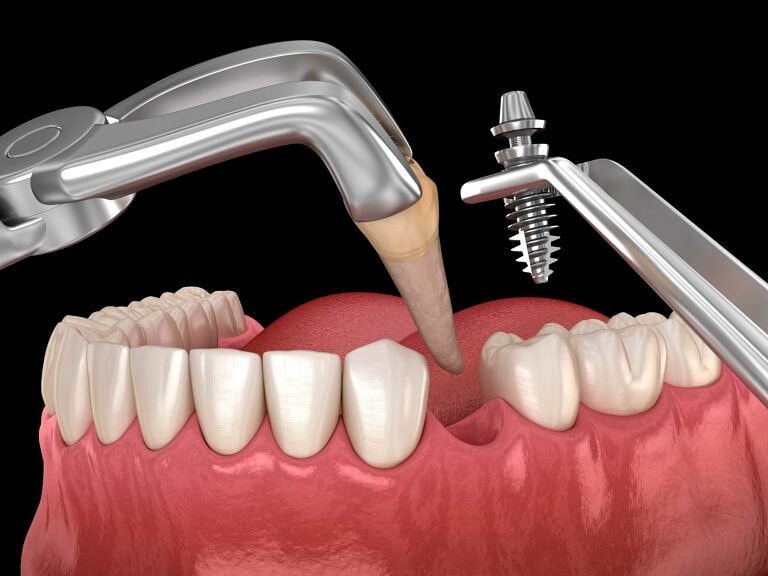
Immediate dental implant placement is recommended in certain cases where the tooth to be replaced is healthy and the surrounding bone and gum tissue is in good condition. It is also suitable for patients who are looking to replace a single missing tooth, have a strong immune system, and who do not have any underlying health issues that may affect the success of the implant. Immediate dental implant placement can also be a good option for patients who have a tight schedule and want to complete the implant process in as few appointments as possible.
Immediate dental implant placement may not be recommended in cases where there is significant infection or damage to the surrounding bone and gum tissue. It may also not be recommended for patients who have a weakened immune system, smoke, or have other health conditions that may affect the success of the implant. In such cases, a dentist may recommend delaying the implant placement until the extraction site has fully healed and any underlying issues have been addressed.
Delayed dental implant placement refers to the placement of a dental implant after the extraction site has fully healed. In this approach, the extraction site is allowed to fully heal and any underlying issues, such as infection or damage to the surrounding bone and gum tissue, are addressed before the implant is placed. Delayed dental implant placement typically involves a multi-step process that may require several appointments over the course of several months.
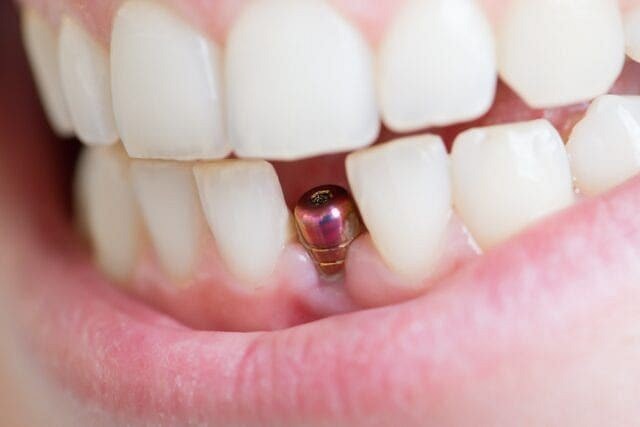
During the first appointment, the tooth is extracted and the extraction site is allowed to heal for several weeks or months, depending on the patient’s individual circumstances. Once the extraction site has fully healed and any underlying issues have been addressed, the implant can be placed. The implant is then left to fuse with the surrounding bone tissue over the course of several months, a process called osseointegration. Once osseointegration is complete, a custom-made restoration, such as a dental crown, bridge, or denture, can be attached to the implant.
Delayed dental implant placement can be a good option for patients who have underlying health issues, weakened immune systems, or a history of smoking, which can affect the success of the implant. It can also be a good option for patients who require additional procedures, such as bone grafting or sinus lifts, to improve the quality or quantity of the bone tissue at the implant site. Delayed dental implant placement generally has a higher success rate than immediate placement, as the implant is placed in a site that has had time to fully heal and any underlying issues have been addressed.
When deciding between immediate and delayed dental implant placement, there are several factors to consider. These include:
Ultimately, the decision to choose between immediate and delayed dental implant placement will depend on your unique situation and needs. Your dentist can help guide you through the decision-making process and recommend the best approach for your specific case.
Choosing between immediate and delayed dental implant placement is a decision that should be made in consultation with your dental professional. Factors such as your oral health, the location of the missing tooth, and your overall health should be considered when making this decision. Understanding the pros and cons of each approach can help you make an informed decision about which option is best for you. Regardless of which approach you choose, dental implants can provide a long-lasting, effective way to replace missing teeth and restore function to your mouth.



