

Published
8 minute read

Dental anxiety is a common concern that affects many individuals, often preventing them from seeking necessary dental care. The mere thought of sitting in a dentist’s chair can evoke feelings of fear and unease in some people. Not only can dental anxiety lead to a lack of dental care and eventual oral health problems, but it can also prevent people from seeking restorative dental care, such as dental implants. However, modern dentistry has recognized this challenge and offers a solution: dental sedation. This method helps patients relax and undergo dental procedures without the associated stress. In this blog, we’ll explore how dental sedation can be a game-changer for those grappling with dental anxiety.
Before delving into the solution, it’s essential to understand the problem. Dental anxiety can stem from various sources:
Dental anxiety can have far-reaching consequences on an individual’s oral health. This intense apprehension can lead to prolonged dental neglect, as the mere thought of visiting a dentist becomes an overwhelming ordeal. As a result, minor dental issues that could have been addressed promptly may escalate into severe problems. Moreover, this avoidance behavior can prevent individuals from seeking restorative dental care, such as dental implants, even when it’s crucial for their oral health and overall well-being. The irony is that while the fear intends to avoid pain or discomfort, the delay often results in more extensive procedures later on, perpetuating the cycle of anxiety. The ripple effect of dental anxiety, thus, not only compromises the health of one’s teeth and gums but can also rob them of the confidence that comes with a healthy smile.
Dental sedation refers to the use of medications to relax and calm a patient before and during a dental procedure. Dental sedation comes in various forms, each designed to help patients relax to varying degrees during dental procedures. Here are the primary types of dental sedation and their descriptions:
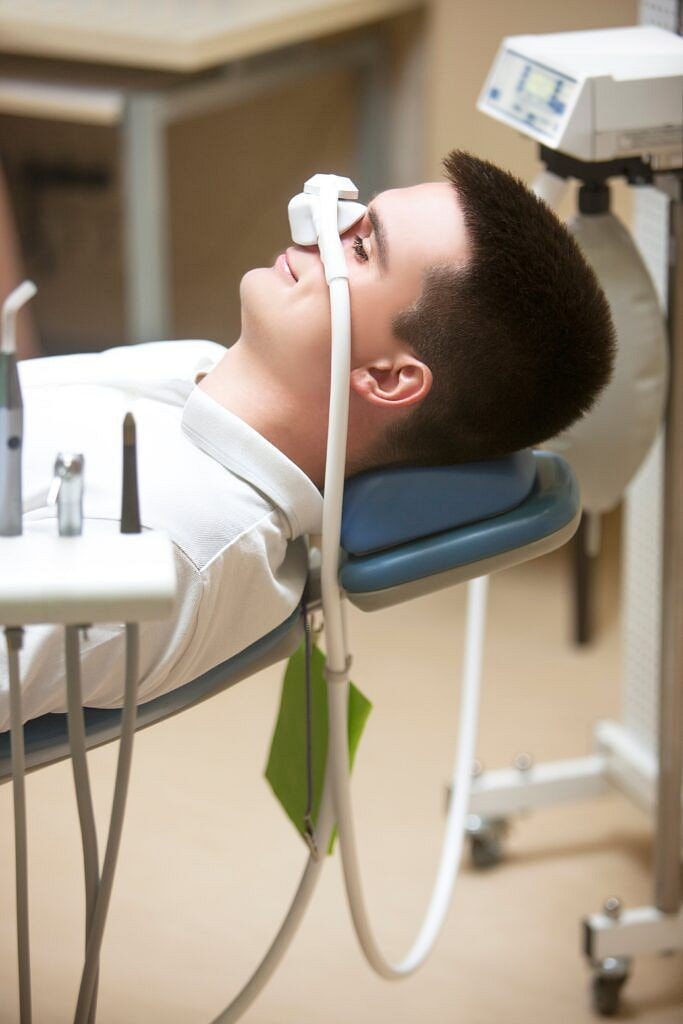
It’s important to note that the type of sedation used often depends on the patient’s needs, the nature of the dental procedure, and the dentist’s recommendation. Always consult with a dental professional to determine the most appropriate sedation method for your specific situation.
Dental sedation offers a transformative solution for individuals grappling with dental anxiety. Here’s how it can help:
The primary purpose of dental sedation is to induce a state of deep relaxation. This ensures that patients remain calm and comfortable, reducing or even eliminating the feelings of dread and apprehension associated with dental procedures.
One of the significant sources of dental fear is the anticipation of pain. Dental sedation not only calms the nerves but also acts as a pain suppressor, ensuring that patients experience minimal to no discomfort during the procedure.

With the patient in a relaxed state, dentists can work more effectively, often completing procedures faster than they would without sedation. This means fewer visits and less time in the dental chair, which is a relief for many anxiety-prone patients.
Some forms of sedation, especially deeper sedation methods, can lead to patients having little to no memory of the procedure. For those with severe dental phobias, not remembering the treatment can be a significant advantage.
Anxiety can sometimes lead to involuntary movements or difficulty in cooperating with the dentist’s instructions. Sedation helps in reducing these reflexes, allowing for a smoother procedure.
Some individuals may avoid certain treatments due to fear, even if those treatments are the best options for their oral health. With sedation, they can comfortably undergo a wider range of procedures, including more complex ones like dental implants or oral surgeries.
By offering a more pleasant and stress-free dental experience, sedation can help break the cycle of avoidance. Over time, patients may find that they no longer dread dental visits as they once did, leading to more regular check-ups and better oral health.
In essence, dental sedation acts as a bridge, allowing patients to overcome their fears and access the dental care they need. It’s a tool that, when used appropriately, can transform the dental experience from a source of anxiety to one of comfort and ease.
Determining whether dental sedation is right for you involves considering several factors:
In conclusion, while dental sedation offers numerous benefits, it’s not suitable for everyone. It’s essential to have an open discussion with your dentist about your concerns, medical history, and any other relevant factors. Together, you can make an informed decision about whether dental sedation is the right choice for you.
Dental anxiety shouldn’t stand in the way of achieving optimal oral health. With dental sedation, patients can receive the dental implant care they need in a relaxed and comfortable environment. If you or someone you know struggles with dental anxiety, consider discussing dental sedation options with a dental implant professional like Dr. Atcha. Your smile is worth it!



