

Published
8 minute read
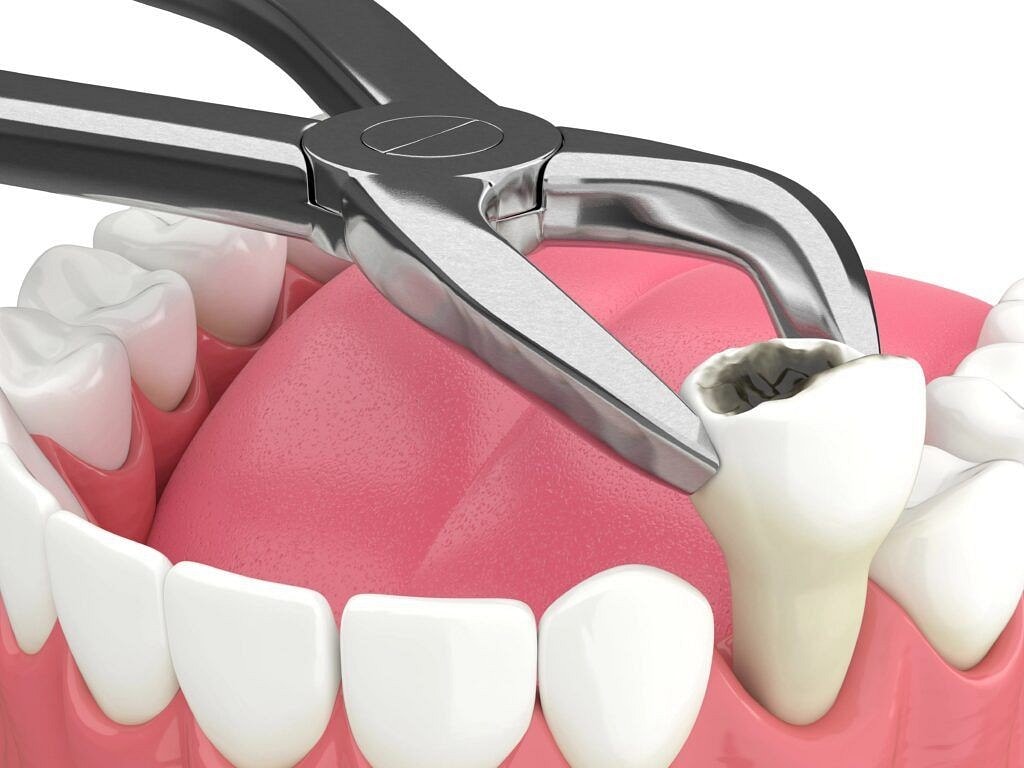
Tooth extraction is a common dental procedure, often performed to pave the way for dental implant placement. While the thought of having a tooth removed can be daunting, understanding the recovery process can help ease any anxiety. Here’s what you can expect during the recovery phase after a tooth extraction in preparation for a dental implant:

Immediately after having a tooth extraction, it’s common to experience some bleeding at the extraction site. Your dentist will typically place a gauze pad over the area, which you’ll need to bite down on to help control the bleeding. Some swelling and bruising may also occur, and applying a cold pack to the cheek or jaw in 15-minute intervals can help reduce this. Pain is a natural part of the healing process, and your dentist may prescribe pain relievers or recommend over-the-counter painkillers to manage discomfort. It’s essential to avoid rinsing your mouth, spitting forcefully, or drinking through a straw for the first 24 hours, as these actions can dislodge the blood clot forming in the socket, leading to complications. Additionally, it’s advisable to rest and avoid vigorous physical activity for a day or two to promote healing.
After a tooth extraction, maintaining proper oral hygiene is crucial to prevent complications and promote healing. Here’s a guide to the oral hygiene practices one should follow post-extraction:

In summary, gentle care and cleanliness are paramount after a tooth extraction. By following these oral hygiene practices, you can ensure a smooth recovery and reduce the risk of potential complications.
After undergoing a tooth extraction, making thoughtful dietary choices is essential not only for comfort but also to ensure proper healing. Here are some dietary adjustments to consider:
In the initial days following the extraction, stick to soft foods that require minimal chewing. Examples include:
Drink plenty of water to stay hydrated. However, remember to sip gently and avoid using straws, as the suction can dislodge the blood clot forming in the extraction site.
Extremely hot foods and drinks can disrupt the blood clot and delay the healing process. Wait for your meals to cool down to a lukewarm temperature before consuming.
Foods like nuts, popcorn, chips, and hard candies can irritate the extraction site and even get lodged in the socket. It’s best to avoid these until the healing process is well underway.
Excessive sugar can increase the risk of bacterial growth, leading to infections. Similarly, acidic foods and beverages, like citrus fruits and sodas, can irritate the extraction site. Consume these in moderation and ensure you rinse your mouth with water afterward.
Alcohol can interfere with the healing process and may interact with any pain medications or antibiotics prescribed by your dentist. It’s best to avoid alcohol for at least 72 hours post-extraction.
As the extraction site begins to heal, you can gradually reintroduce firmer foods into your diet. However, always be cautious and avoid biting down directly on the extraction site for several weeks.
Consuming foods rich in vitamins and minerals, especially vitamin C and calcium, can promote faster healing. Consider foods like spinach, kale, fortified cereals, dairy products, and oranges.
While the dietary adjustments post-tooth extraction might seem restrictive, they play a crucial role in ensuring a smooth and complication-free recovery. By being mindful of your food choices and prioritizing gentle, nutritious options, you can set the stage for optimal healing and comfort.
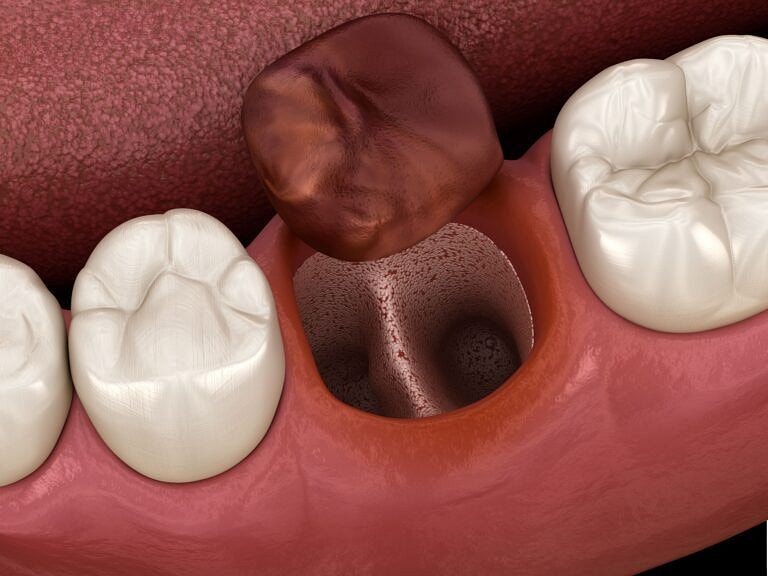
After a tooth extraction, while many people experience an uneventful recovery, there are potential complications to be aware of. One of the most common issues is dry socket, which occurs when the blood clot that forms in the extraction site becomes dislodged or dissolves prematurely, exposing the underlying bone and nerves. This condition can lead to intense pain and a foul odor in the mouth. Infections are another concern; signs include persistent pain, swelling, fever, and a bad taste in the mouth. Additionally, there’s a risk of accidental damage to surrounding teeth, gums, or jawbone during the extraction. In rare cases, a condition called osteomyelitis, a bone infection, can develop. Prolonged bleeding and swelling beyond the initial 48 hours can also indicate a problem. It’s essential to maintain good oral hygiene and follow post-operative instructions to minimize these risks and to contact your dentist immediately if you suspect any complications.
Preparing for dental implant placement after a tooth extraction involves several steps to ensure the implant’s success and longevity. Here’s what’s typically needed:
In summary, preparing for a dental implant after a tooth extraction involves ensuring optimal bone quality, addressing any oral health issues, and meticulous planning to achieve the best possible outcome. Proper preparation and following the dentist’s guidelines can significantly increase the likelihood of a successful and long-lasting implant.
Recovering from a tooth extraction requires patience and diligent aftercare. By following your dentist’s advice and being aware of what to expect, you can ensure a smooth recovery and successful preparation for your dental implant. Remember, the end goal is a strong, healthy smile, and each step of the process brings you closer to that objective.



