

Published
6 minute read
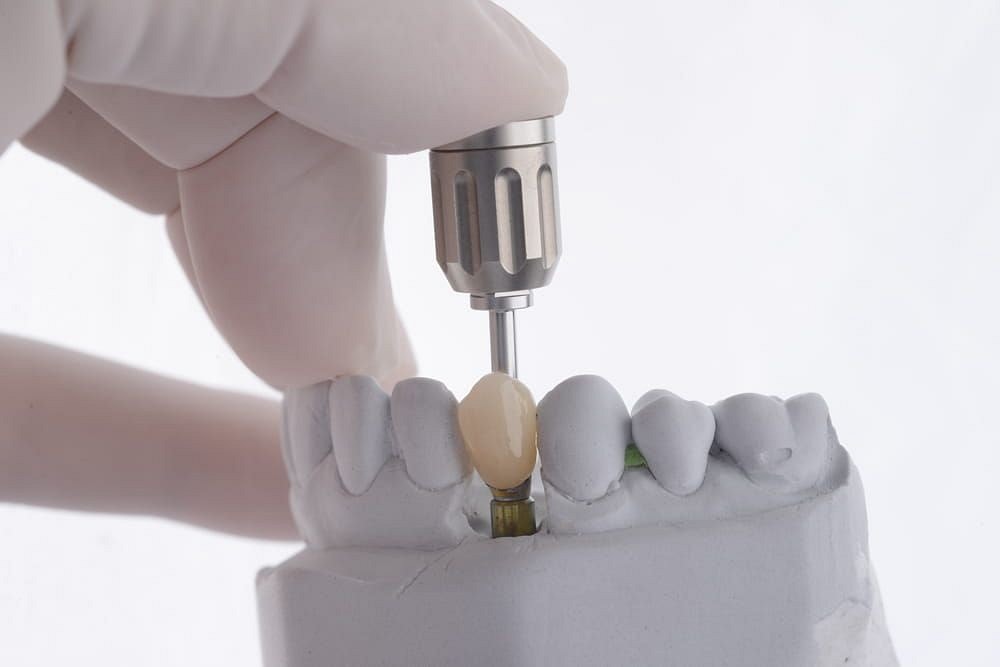
Losing one tooth creates a different set of challenges than losing several teeth, which is why treatment planning is never one-size-fits-all. A missing front tooth may affect confidence and speech, while several missing back teeth can change chewing ability, bite balance, and long-term oral health. Modern dentistry offers solutions for both situations, but the materials, design, and overall approach often vary depending on how many teeth need to be replaced. New Teeth Chicago Dental Implants and Dr. Irfan Atcha understand that patients in Chicago, IL often want to know which restoration type makes the most sense for their needs.
Single tooth restorations focus on replacing one missing or damaged tooth while preserving as much surrounding structure as possible. Multiple tooth restorations are designed to rebuild larger sections of the smile, restore function across several teeth, and support long-term bite stability. Understanding how these categories differ can help patients ask better questions and feel more confident when exploring treatment options.
Even one missing tooth can create changes over time. Adjacent teeth may begin to shift into the empty space, opposing teeth may drift, and bite alignment can gradually change. Food may collect more easily in gaps, and some patients begin chewing more heavily on one side of the mouth. What starts as a single missing tooth can eventually affect surrounding teeth and jaw function.
When several teeth are missing, the impact can become more significant. Chewing efficiency may decline, nutrition choices can change, speech may be affected, and facial support may gradually alter. The jawbone can also lose stimulation in areas where teeth are absent. Replacing missing teeth is not only about appearance. It can also play an important role in preserving comfort, function, and oral stability.
A single tooth restoration is used when one tooth needs to be replaced or rebuilt. Common examples include a dental implant with a crown, a traditional bridge replacing one missing tooth, or a crown placed over a damaged tooth that can still be saved. The goal is to restore that specific area while blending naturally with the surrounding smile.
For a missing tooth, an implant-supported crown is often discussed because it replaces both the root and visible portion of the tooth without relying on neighboring teeth. Some patients may also need cosmetic refinements such as Dental Bonding or Veneers when shape, color, or minor damage is part of the concern rather than tooth loss.
Multiple tooth restorations are designed for patients missing several teeth in one area or throughout the mouth. Treatment may involve bridges, implant-supported partial restorations, implant dentures, or full-arch solutions depending on how many teeth are absent and where they are located.
When tooth loss is more extensive, treatment planning becomes broader. It may need to address bite collapse, worn teeth, gum health, jaw support, and long-term function across the full smile. Options such as Implant Supported Dentures, All-On-4 Implants, and Fixed Dentures Dentist services are often considered when replacing many teeth at once.
Single tooth restorations are typically smaller and highly customized to match nearby teeth. Materials may include porcelain, ceramic, zirconia, or layered restorations selected for aesthetics and durability. Because only one tooth is being restored, shade matching and contour detail are especially important.
Multiple tooth restorations may use those same materials, but they often require additional structural support. Larger restorations may include reinforced frameworks, titanium components, high-strength zirconia, or acrylic hybrid designs depending on the number of teeth being replaced. Strength, bite distribution, and ease of maintenance become more central as restorations increase in size.
Replacing one tooth can sometimes be more straightforward than rebuilding several teeth, though each case is unique. A single implant or crown may involve fewer appointments, less extensive planning, and a narrower treatment area. However, bone quality, gum condition, and smile-zone aesthetics can still make single tooth treatment highly detailed.
Multiple tooth restorations often require a more comprehensive diagnostic process. Digital scans, bite records, imaging, and staged treatment may be necessary to coordinate the final result. In some cases, patients with widespread wear, missing teeth, and bite changes may benefit from a complete Full Mouth Reconstruction rather than addressing one area at a time.
A well-designed single tooth restoration is often intended to feel seamless within the natural bite. Because surrounding teeth remain in place, patients typically adapt to one new restoration relatively quickly. The goal is balance, comfort, and natural integration.
With multiple tooth restorations, the experience can be more transformative. Patients may notice improved chewing efficiency, better smile support, and a stronger bite when compared with missing teeth or unstable dentures. There can be an adjustment period as the mouth adapts to new tooth positions, contours, and bite relationships, especially after years of tooth loss.
Every restoration requires maintenance, regardless of size. Single crowns, bridges, or implants still need brushing, flossing, and regular examinations. Detecting wear, gum inflammation, or bite issues early can help extend the life of treatment.
Multiple tooth restorations require the same commitment, often with additional attention to cleaning around connectors, implant components, or full-arch prosthetics. Professional maintenance visits are especially valuable when several teeth have been restored. Patients may need custom hygiene tools or periodic adjustments to keep the restoration functioning well over time.
The best solution depends on the number of missing teeth, bone support, oral health, budget, and long-term goals. Some patients only need one carefully planned restoration. Others may achieve better long-term results by treating multiple areas together rather than solving problems one tooth at a time.
Comfort during care also matters. Patients who feel nervous about treatment may want to discuss options such as Sedation Dentistry Dentist. The ideal plan should improve health and confidence while fitting the patient’s lifestyle and expectations.
Single tooth and multiple tooth restorations are both valuable tools in modern dentistry, but they solve different problems. A single tooth restoration focuses on precision and preservation, while multiple tooth restorations are designed to rebuild broader function, appearance, and stability. The right treatment depends on the condition of the mouth today and the goals for years to come.
New Teeth Chicago Dental Implants and Dr. Irfan Atcha encourage patients in Chicago, IL to learn about all available options before moving forward. With proper planning and personalized care, both single and multi-tooth restorations can play an important role in rebuilding a healthy, confident smile.
Pjetursson, B. E., Thoma, D., Jung, R., et al. (2012). A Systematic Review of the Survival and Complication Rates of Implant-Supported Fixed Dental Prostheses. Clinical Oral Implants Research.
Goodacre, C. J., Bernal, G., Rungcharassaeng, K., & Kan, J. Y. K. (2003). Clinical Complications with Implants and Implant Prostheses. Journal of Prosthetic Dentistry.
Misch, C. E. (2008). Contemporary Implant Dentistry. Mosby Elsevier.



