

Published
6 minute read
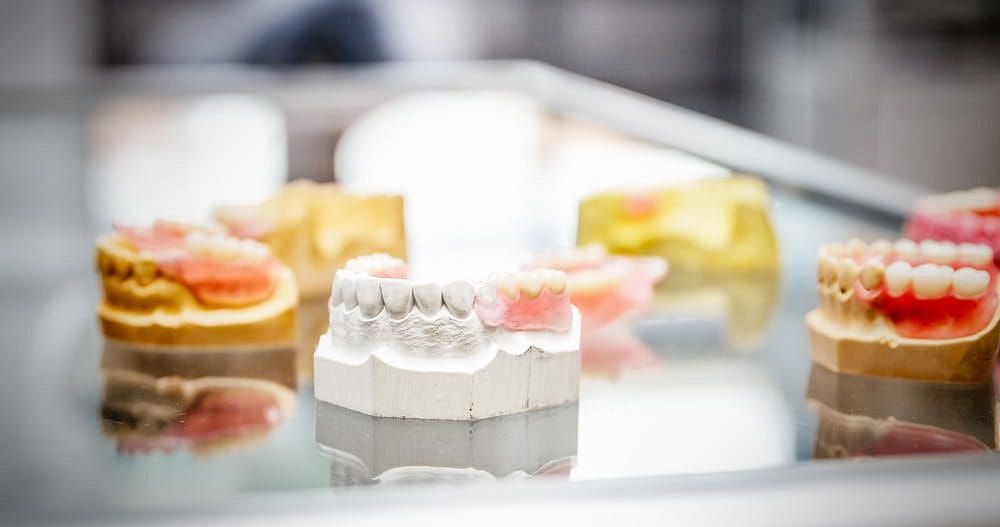
When replacing multiple missing teeth, many patients begin by comparing fixed and removable dentures. At first glance, both options are designed to restore appearance and help with everyday functions like chewing and speaking. However, the experience of wearing them can feel very different. Materials, fit, movement, maintenance, and long-term expectations all play a role in deciding which solution may be the better match. New Teeth Chicago Dental Implants and Dr. Irfan Atcha understand that patients in Chicago, IL often want to know not only how dentures look, but how they actually feel in daily life.
For many people, the biggest question is simple: Will it feel like natural teeth or like something that comes in and out of the mouth? While no restoration perfectly replicates natural teeth, today’s technology offers more choices than ever before. Understanding how fixed and removable dentures differ can help patients make a more informed decision about comfort, confidence, and lifestyle.
Removable dentures are prosthetic teeth attached to a gum-colored base that can be taken out for cleaning and while sleeping. They may replace a full arch of teeth or only several missing teeth depending on the design. Traditional full dentures rest on the gums, while partial dentures may use clasps or connectors around remaining teeth.
These restorations have been used successfully for many years and remain a practical option for many patients. They are commonly chosen because they can restore appearance and function without surgery in some cases. Depending on anatomy and goals, some patients may also upgrade removable options with added support through Implant Supported Dentures, which use implants to improve retention.
Fixed dentures are attached to dental implants and are not intended to be removed by the patient at home. They are secured in place, creating a more stable restoration that stays connected during eating, speaking, and normal daily activity. Fixed options are often used in full-arch treatment plans where several implants support an entire row of teeth.
Because they are anchored rather than resting loosely on the gums, many patients describe fixed dentures as feeling more natural and secure. Treatments such as Fixed Dentures Dentist, All-On-4 Implants, and Same-Day Dental Implants are often part of these discussions for patients seeking stronger retention and convenience.
One of the most noticeable differences between fixed and removable dentures is the materials used in the final restoration. Traditional removable dentures are commonly made from acrylic resin bases with acrylic or composite teeth. These materials can be effective and attractive, but they are lightweight because the appliance must be inserted and removed regularly.
Fixed dentures may be made from stronger or more advanced materials depending on the case. Options can include high-quality acrylic hybrids, reinforced composites, zirconia, titanium frameworks, or layered ceramics. Because the prosthesis is attached to implants, materials can be selected with durability, strength, and long-term wear in mind. The best material depends on bite forces, aesthetics, maintenance preferences, and budget.
For many patients, feel matters just as much as appearance. Removable dentures may take time to get used to because they sit on the gums and can shift slightly with movement. Some patients notice pressure points, friction, or the sensation of a foreign appliance resting on soft tissue. Adhesives may be used in some cases to improve stability.
Fixed dentures often feel more solid because they are anchored to implants rather than floating on the gums. Many patients appreciate the reduced movement when talking or eating. There is often less concern about slipping during social situations, laughing, or biting into food. While there is still an adjustment period, patients frequently report a greater sense of confidence with a stable restoration.
Chewing efficiency can vary significantly between these options. Traditional removable dentures may limit food choices because hard, sticky, or chewy foods can dislodge the appliance or create sore spots. Some people naturally adapt their diet over time to avoid uncomfortable foods.
Fixed dentures can improve chewing confidence because the restoration remains secure during function. This may make it easier to enjoy a broader range of foods, though every patient should still follow professional guidance and avoid habits that could damage the restoration. Speech can also improve with stability, since patients are less worried about movement while forming words.
Removable dentures are taken out daily for brushing and soaking. The gums and any remaining teeth should also be cleaned carefully. Some patients appreciate being able to remove the appliance completely for maintenance, while others dislike handling it outside the mouth.
Fixed dentures stay in place, so cleaning is performed around and beneath the restoration using special brushes, flossing tools, water flossers, or other home-care aids. Professional maintenance visits are especially important to monitor implant health and keep the restoration clean. Both options require commitment, but the routines are different.
The answer depends on the patient’s anatomy, expectations, and prior experiences. Someone who has worn loose dentures for years may find a dramatic improvement with implant-retained treatment. Another patient may prioritize simplicity, affordability, or avoiding surgery and feel satisfied with a removable appliance.
Natural feel is influenced by stability, bite function, material thickness, palate coverage, and confidence during daily use. A thorough consultation can help patients understand what each option may realistically feel like for their specific case. In more complex situations involving damaged teeth, bite collapse, or multiple treatment needs, a broader plan such as Full Mouth Reconstruction may be considered.
Important factors include oral health, bone volume, budget, medical history, smile goals, and willingness to undergo implant treatment. Some patients are ideal candidates for fixed restorations, while others may need preparatory care or may prefer removable solutions based on lifestyle.
Comfort during treatment is another consideration. Patients who feel anxious about dental procedures may benefit from learning about options such as Sedation Dentistry Dentist. The right decision is rarely about one feature alone. It is usually about balancing comfort, health, function, and long-term value.
Fixed and removable dentures both serve important purposes, but they create different day-to-day experiences. Removable dentures may offer a practical and familiar solution, while fixed dentures often provide greater stability and a feel that many patients find closer to natural teeth. Materials also vary, influencing durability, appearance, and maintenance needs.
New Teeth Chicago Dental Implants and Dr. Irfan Atcha encourage patients in Chicago, IL to learn about every available option before making a decision. The most successful treatment plan is one that fits your oral health needs, personal goals, and expectations for comfort over the long term.
Carlsson, G. E., & Omar, R. (2010). The Future of Complete Dentures in Oral Rehabilitation. Journal of Oral Rehabilitation.
Feine, J. S., Carlsson, G. E., Awad, M. A., et al. (2002). The McGill Consensus Statement on Overdentures. International Journal of Prosthodontics.
Papaspyridakos, P., Chen, C. J., Singh, M., et al. (2012). Success Criteria in Implant Prosthodontics: A Systematic Review. Journal of Dental Research.



