

Published
7 minute read
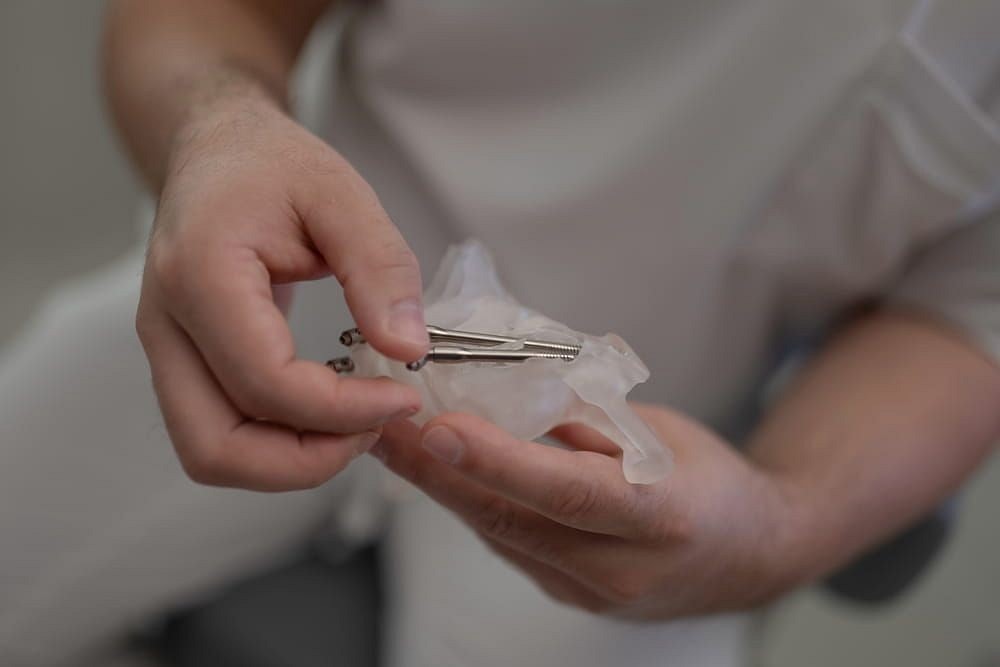
For patients who have been told they do not have enough bone for traditional dental implants, advanced treatment options may still be available. Severe upper jaw bone loss can happen after years of missing teeth, gum disease, trauma, or long-term denture wear. In many cases, patients assume they must settle for removable dentures or extensive grafting procedures. However, zygomatic restorations have changed what is possible. New Teeth Chicago Dental Implants and Dr. Irfan Atcha recognize the growing interest in solutions that help patients restore their smile when standard approaches are no longer ideal.
Zygomatic restorations are designed for people with significant bone loss in the upper jaw. Instead of relying only on the remaining jawbone, these restorations use specialized implants anchored into the cheekbone, known as the zygoma. Because the cheekbone is naturally dense and strong, it can provide reliable support for a full arch of replacement teeth. This treatment has opened the door for many patients who were previously told they were not candidates for implant-based care.
Bone tissue in the jaw depends on stimulation from natural tooth roots. When teeth are lost, that stimulation decreases, and the bone can begin to shrink over time. The longer teeth are missing, the more significant the bone reduction may become. This is especially common in the upper jaw, where bone density is often lower to begin with.
Other factors can speed up bone loss. Advanced periodontal disease can destroy the structures that support teeth. Trauma from accidents or injuries may damage bone directly. Ill-fitting dentures can also contribute to changes in the jaw over many years. For some patients, the result is a thin or weakened upper jaw that cannot easily support conventional implants without additional procedures.
Traditional implants are placed into the alveolar bone of the jaw. If there is not enough height or width, bone grafting may be recommended before implant placement. While grafting can be effective, it may require additional surgeries, healing periods, and months of waiting before final teeth are placed.
Zygomatic restorations take a different approach. Specially designed longer implants are angled and secured into the cheekbone rather than relying entirely on the upper jaw. This allows clinicians to bypass areas of severe bone deficiency. In many cases, fewer grafting procedures are needed, and patients may move more efficiently toward fixed teeth. Patients researching advanced options often compare this treatment with Same-Day Dental Implants or All-On-4 Implants to understand which method best fits their anatomy.
Not every patient with missing teeth needs zygomatic restorations. Many people still qualify for standard implants or other restorative solutions. However, this approach may be considered for patients who have severe upper jaw bone loss, have been told they are not candidates for regular implants, or want to avoid extensive grafting when appropriate.
Candidates often include long-term denture wearers, patients with multiple failing teeth, or individuals seeking a more stable alternative to removable appliances. A detailed examination is essential. Digital imaging, 3D scans, bite analysis, and medical history review all help determine whether this treatment is appropriate. Some patients may also explore Implant Supported Dentures or Fixed Dentures Dentist options depending on their goals.
Advanced restorative treatment begins long before surgery. Proper planning is one of the most important parts of a successful outcome. Modern diagnostics allow clinicians to evaluate bone volume, sinus anatomy, facial structure, and bite relationships in detail. This helps create a precise treatment plan tailored to the patient’s needs.
Digital technology can also improve communication. Patients are often shown scans, mockups, and expected outcomes so they understand the process clearly. Planning may involve coordination between surgical and restorative phases to ensure that implant placement supports the final teeth properly. For patients with more complex concerns such as worn teeth, bite collapse, or multiple oral health issues, broader solutions like Full Mouth Reconstruction may also be discussed.
The procedure itself varies based on the number of implants needed, the condition of any remaining teeth, and the overall treatment plan. In general, zygomatic implants are carefully placed into strategic positions where the cheekbone can provide support. Depending on the case, traditional implants may also be used in combination with zygomatic implants to stabilize the restoration.
Many patients are concerned about comfort during treatment. Sedation options may help reduce anxiety and improve the experience for those undergoing more involved procedures. Learning about options such as Sedation Dentistry Dentist services can be reassuring for patients who feel nervous about dental care. After healing or provisionalization, a custom restoration is fabricated to improve function, appearance, and stability.
One of the greatest advantages of zygomatic restorations is that they can restore confidence and quality of life for patients who thought they had run out of options. Secure teeth may make it easier to eat a wider variety of foods, speak more clearly, and smile without worrying about denture movement.
There are practical benefits as well. Avoiding or reducing grafting can shorten treatment timelines in some cases. Fixed restorations may feel more natural than removable dentures for many patients. Because every case is different, outcomes depend on planning, oral health, and long-term maintenance, but the ability to rebuild both function and confidence can be life-changing.
Healing instructions depend on the complexity of treatment and whether temporary teeth were provided immediately. Patients are typically guided on oral hygiene, diet modifications, and follow-up visits. Soft foods may be recommended during the early stages of healing to reduce stress on the new implants and restoration.
Long-term success requires ongoing care. Professional cleanings, routine examinations, and excellent home hygiene are essential. Patients should also address related restorative needs when necessary, such as damaged teeth that may benefit from Crowns and Bridges or cosmetic concerns treated with Veneers. Protecting the health of the entire mouth supports the longevity of any implant solution.
Patients facing severe bone loss are often given limited choices and may not realize how much implant dentistry has evolved. Learning about advanced options allows people to ask better questions, compare treatment paths, and make informed decisions based on health goals, comfort, and budget.
The best treatment plan is always individualized. Anatomy, health history, expectations, and lifestyle all matter. For many people, simply understanding that alternatives exist can replace frustration with hope. That is why educational resources remain so valuable for patients researching the next step in their smile journey.
Severe bone loss does not automatically mean the end of fixed tooth replacement options. Zygomatic restorations have expanded what is possible for patients who need advanced support in the upper jaw. With careful planning, modern imaging, and customized restorations, many individuals can move toward stronger function and renewed confidence.
New Teeth Chicago Dental Implants and Dr. Irfan Atcha understand how important it is for patients in Chicago, IL to learn about every available option before making a decision. The right evaluation can uncover solutions that may not have seemed possible before, helping patients take the next step toward a healthier and more comfortable smile.
Brånemark, P. I., Gröndahl, K., & Ohrnell, L. O. (2004). Zygoma Fixture in the Management of Advanced Atrophy of the Maxilla. International Journal of Oral & Maxillofacial Implants.
Aparicio, C., Manresa, C., Francisco, K., et al. (2014). Zygomatic Implants: Indications, Techniques and Outcomes. Periodontology 2000.
Chrcanovic, B. R., & Abreu, M. H. N. G. (2013). Survival and Complications of Zygomatic Implants: A Systematic Review. Oral and Maxillofacial Surgery.



