

Published
8 minute read
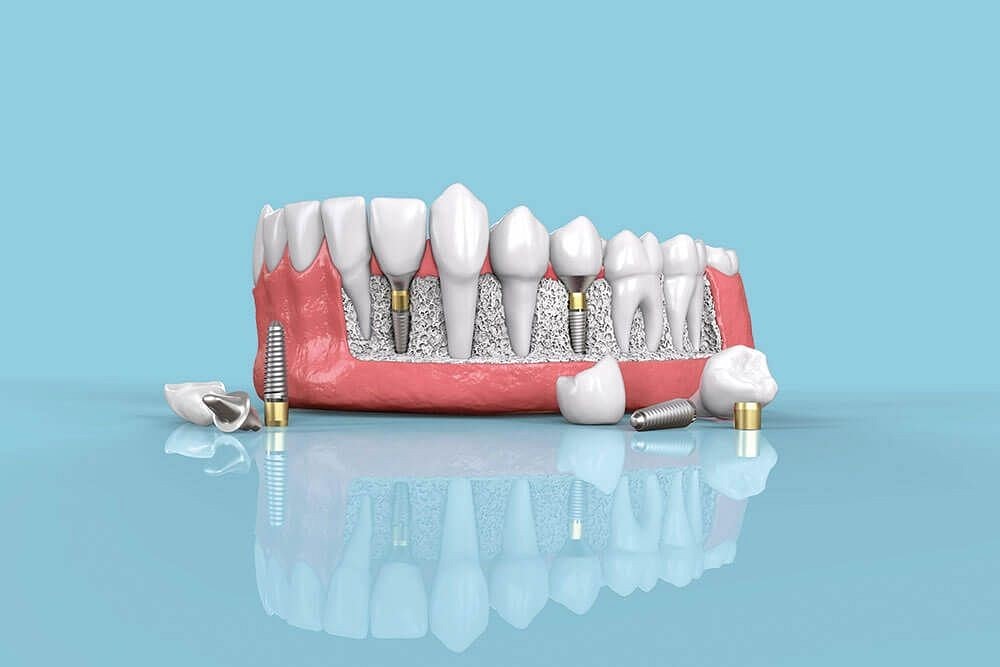
Dental implants have revolutionized modern dentistry, providing patients with a long-lasting solution for missing teeth. These artificial tooth roots offer superior stability and natural aesthetics compared to traditional prosthetics like dentures and bridges. While standard dental implants are suitable for most patients, there are instances where specialized dental implants become necessary. In this blog, we will explore the different types of specialized dental implants and when they are required to restore oral health and function effectively.
Specialized dental implants are designed to address specific challenges in tooth replacement, catering to patients with unique dental needs. Here are some types of specialized dental implants:
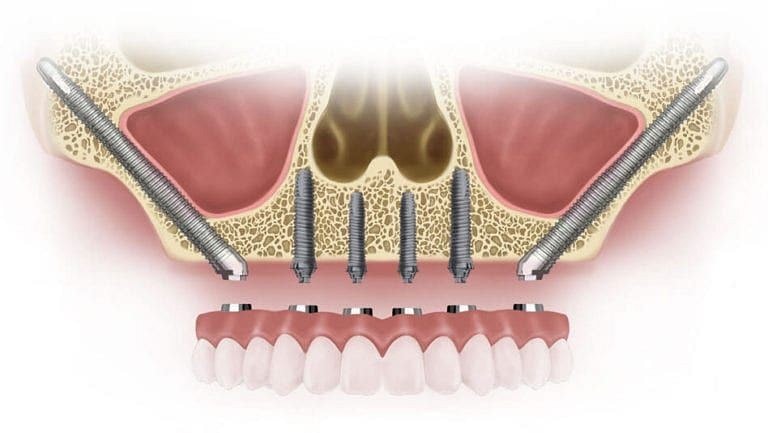
Zygomatic implants are longer and more robust than traditional implants, ranging from 30 to 52.5 mm in length. They are anchored in the zygomatic bone (cheekbone) instead of the maxillary (upper jaw) bone. These implants are typically used when a patient has severe bone loss in the upper jaw, and traditional implants cannot be placed due to insufficient bone density. By anchoring into the zygoma, they provide a stable foundation for full-arch restorations, ensuring successful tooth replacement even in cases of extreme bone resorption.
The All-on-4 and All-on-6 dental implants are innovative techniques for full-arch restoration. The “All-on” concept refers to placing a fixed prosthesis (denture or bridge) on just four (All-on-4) or six (All-on-6) strategically positioned implants in the jawbone. This approach is particularly beneficial for patients who are edentulous (have lost all their teeth) or have severely compromised teeth. The strategic placement of the implants provides sufficient support for an entire arch of artificial teeth, offering excellent aesthetics, function, and stability.
Mini dental implants (MDIs) are smaller in diameter (ranging from 1.8 to 3.0 mm) and shorter than traditional dental implants. They are primarily used in situations where the available space or bone density is limited. Mini dental implants can be utilized in areas where standard implants may not fit, such as the front of the mouth. They are also commonly used to stabilize removable dentures, providing a more secure and comfortable fit for denture wearers.
Basal implants, also known as bicortical or cortical implants, use a different mechanism for stability. Unlike traditional implants that anchor into the alveolar bone, basal implants engage the cortical bone, which is denser and offers stronger support. These implants are used when there is insufficient bone volume in the conventional implant sites. Basal implants can be loaded immediately, meaning the prosthetic restoration can be attached shortly after the implant placement, expediting the treatment process.
Pterygoid implants are used in cases where the maxillary bone is severely resorbed, making it challenging to place regular dental implants. These implants are anchored into the pterygoid plate, a part of the sphenoid bone located behind the upper jaw. By utilizing this strong bone structure, pterygoid implants offer a stable foundation for full-arch restorations, even in complex cases.
Subperiosteal implants were used in the past but are now considered historical implants. They involved placing a custom-made metal framework on top of the jawbone and under the gum tissue. The prosthesis was then attached to the framework. However, advancements in other types of implants have made subperiosteal implants obsolete in modern dentistry.
It’s important to note that the selection of specialized dental implants depends on each patient’s unique oral health condition and treatment goals. A thorough evaluation by an experienced implant dentist is crucial to determine the most appropriate implant type for individual cases.
Specialized dental implants may be necessary in various situations where standard dental implants are not suitable or feasible due to specific challenges. Here are some situations in which specialized dental implants may be required:
Patients who have experienced significant bone loss in the jaw due to prolonged tooth loss, advanced gum disease (periodontitis), or trauma may not have sufficient bone density to support traditional dental implants. In such cases, specialized implants like zygomatic implants or bone grafting procedures may be necessary to provide a stable foundation for tooth replacement.
When a patient has lost most or all of their teeth or has severely compromised teeth in both jaws, conventional implants may not be enough to provide comprehensive support. In such cases, specialized full-arch implant techniques like All-on-4 or All-on-6 implants are beneficial. These techniques involve strategically placing fewer implants to support a complete set of artificial teeth, reducing the number of implant placements and the overall treatment time.
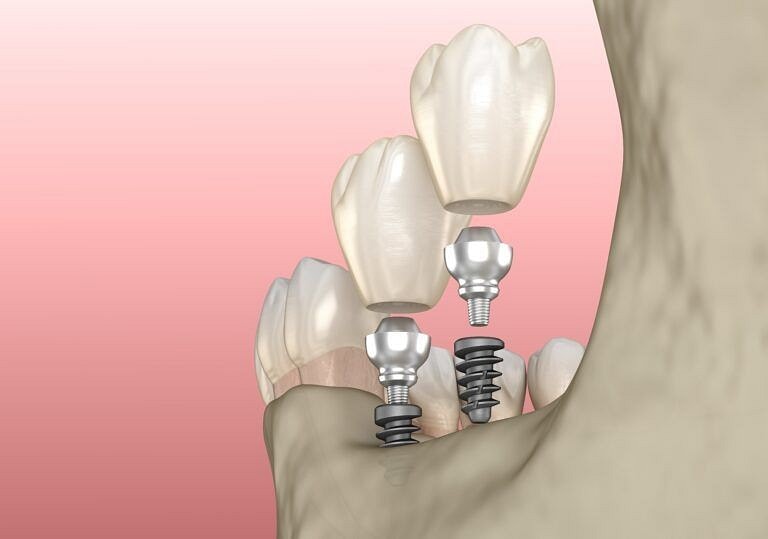
In some instances, there might be limited space for dental implants, especially in the front of the mouth or between closely positioned teeth. Traditional dental implants may not fit comfortably in these tight spaces. Mini dental implants (MDIs) with smaller diameters are better suited for such situations and can be used to replace missing teeth without the need for extensive bone augmentation.
Patients with inadequate bone volume or bone quality in specific areas of the jaw might not be suitable candidates for traditional implants. In these cases, specialized implants like basal implants, which engage the cortical bone, or pterygoid implants, anchored into the pterygoid plate, can provide a secure foundation for prosthetic restorations, even in cases of challenging bone anatomy.
Some patients may have specific needs, such as a quick turnaround for teeth replacement or immediate functional restoration. Basal implants are known for their ability to support immediate loading, meaning the prosthetic restoration can be attached shortly after implant placement. This approach is particularly advantageous for patients who desire a swift treatment process.
Patients who wear removable dentures may experience discomfort and difficulty while eating and speaking due to denture movement. Mini dental implants (MDIs) can be used to stabilize dentures, preventing them from slipping or moving during daily activities and enhancing overall oral function and quality of life.
An implant dentist determines if specialized implants are needed by conducting a comprehensive assessment of the patient’s oral health, medical history, and specific requirements. The evaluation process typically involves the following steps:
Specialized dental implants play a crucial role in modern dentistry, providing effective solutions for patients with unique dental needs. Whether it’s severe bone loss, full mouth restoration, limited space, or denture stabilization, these implants offer a lifelike and durable solution for tooth replacement. If you believe you may benefit from specialized dental implants, consult with an experienced implant dentist to discuss the best treatment plan for your individual case. Remember, a healthy and beautiful smile is within reach, thanks to the advancements in specialized dental implant technology.



