

Published
8 minute read
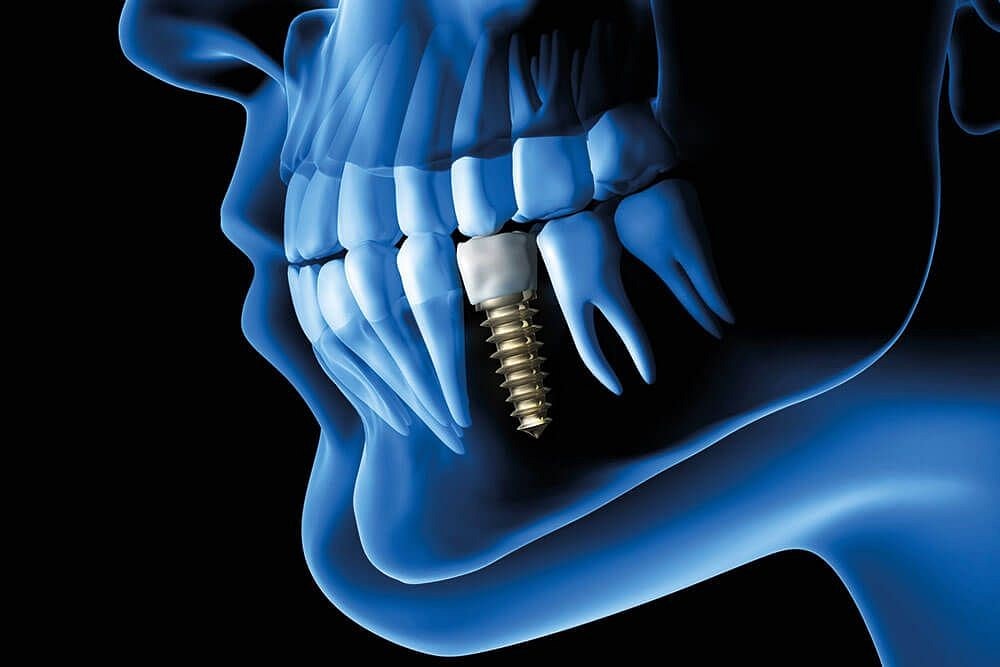
Are you tired of hiding your smile due to missing teeth? Dental implants can be a life-changing solution that restores both your oral health and self-confidence. After successfully undergoing the dental implant procedure, it’s essential to know what to expect during the recovery period. In this blog, we’ll guide you through the post-implant process, helping you understand the healing stages and what you can do to ensure the best possible outcome.
After your dental implant surgery, you can expect some swelling, discomfort, and minor bleeding. This is normal and part of the natural healing process. Your dental surgeon will provide you with specific aftercare instructions to help manage these symptoms effectively.

It is normal to experience some swelling and discomfort in the area where the dental implants were placed. The extent of swelling may vary from person to person, but it generally peaks within the first 48 hours after the procedure. Applying an ice pack to the outside of your face in 15-minute intervals during the first 24 hours can help reduce swelling. Your dentist may also prescribe pain medication or recommend over-the-counter pain relievers to manage any discomfort.
Some minor bleeding is common after dental implant surgery. Your dentist will provide you with gauze pads to bite down on, which will help control and stop the bleeding. If bleeding persists or becomes excessive, contact your dental professional immediately.
After the surgery, plan to rest for the remainder of the day. Avoid any strenuous activities or heavy lifting, as these can hinder the healing process. Resting will help your body focus its energy on recovery. You may also need to rest to recover from the effects of dental sedation.
In the immediate aftermath of dental implant surgery, stick to a soft and cool diet. Avoid hot and spicy foods as they can irritate the surgical site. Opt for items like yogurt, smoothies, mashed potatoes, soups, and lukewarm beverages. As the healing progresses, you can gradually reintroduce firmer foods into your diet.
Maintaining good oral hygiene is crucial for a successful recovery. However, you should avoid brushing or flossing the surgical area for the first few days to prevent any disturbance to the healing process. Your dentist will likely recommend using a gentle mouth rinse or warm saltwater to keep the area clean. After a few days, you can resume brushing your teeth, carefully avoiding the implant site.
Your dentist will schedule follow-up appointments to monitor your progress and ensure proper healing. Attend all these appointments to address any concerns and make sure everything is on track for the next stages of your implant treatment.
If your dentist prescribed antibiotics or any other medications, be sure to take them as directed. These medications are essential to prevent infection and promote healing.
Avoid activities that could disrupt the surgical area. Refrain from smoking or using a straw for the first few days, as the sucking motion could dislodge blood clots and impair healing.
Remember, everyone’s healing process is different, and it’s crucial to follow your dentist’s post-operative instructions carefully. If you experience any unusual or concerning symptoms, such as severe pain, excessive bleeding, or signs of infection, contact your dentist promptly.
While the immediate postoperative period may involve some discomfort, it’s important to keep in mind that dental implants offer a long-term solution to missing teeth, improving both your oral health and overall quality of life. As the healing progresses, you’ll be on your way to enjoying the benefits of a beautiful and functional smile.
During the first week, you should be cautious and gentle with your implant area to promote proper healing.
Stick to soft and easily chewable foods to avoid putting excessive pressure on the implant site. Avoid hot and spicy foods as they can cause discomfort.

Maintaining good oral hygiene is crucial. Gently rinse your mouth with a mild, non-alcoholic mouthwash or warm saltwater several times a day, starting the day after surgery. Avoid brushing around the surgical site for the first few days to prevent irritation.
Adequate rest will speed up your recovery. Avoid strenuous activities that could put unnecessary stress on your healing mouth.
Schedule and attend all follow-up appointments with your dentist to monitor the healing progress and address any concerns.
As the weeks go by, your dental implants will gradually integrate with the jawbone through a process called osseointegration. During this time, new bone will form around the implant, providing a sturdy foundation for your replacement tooth.
The osseointegration process typically takes around 3 to 6 months, depending on your individual healing ability. It’s essential to be patient during this phase.
If necessary, your dentist may provide a temporary crown or bridge to maintain aesthetics and function while your implants heal.
Your gums may remain sensitive during the healing period, so continue to practice gentle oral care to avoid irritation.
Once your dental implants have successfully integrated with the jawbone, you’re ready for the final restoration.
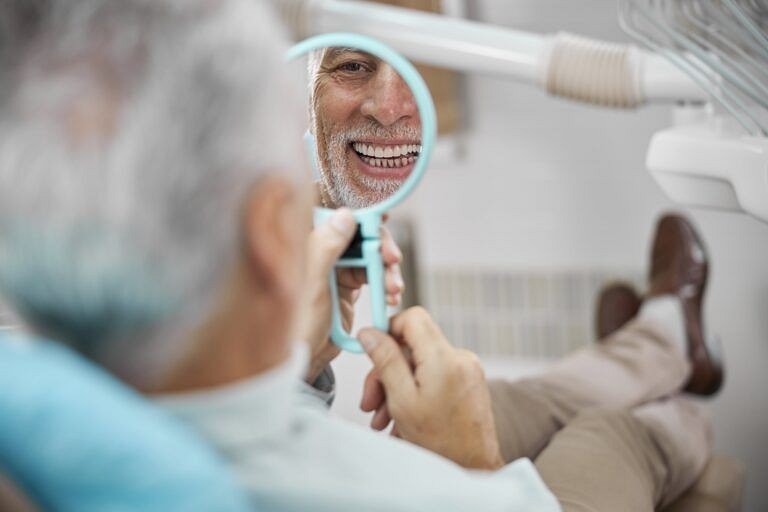
Your dentist will take impressions or an oral scan of your mouth to create custom-made replacement teeth.
The permanent crown or bridge will be attached to the dental implant abutment, completing your smile restoration.
Your dentist will ensure that your bite is properly aligned and that the replacement teeth look natural and comfortable.
Long-term care is crucial to ensure the success and longevity of dental implants. While dental implants are known for their durability and stability, they still require regular maintenance to keep them healthy and functional. Here are some essential aspects of long-term care associated with dental implants:
Maintaining excellent oral hygiene is essential for the long-term success of dental implants. Brush your teeth at least twice a day and floss daily to keep the implant area and surrounding gums clean. Use a soft-bristled toothbrush and non-abrasive toothpaste to avoid damaging the implant restoration.
Visit your dentist for regular check-ups and professional cleanings. Regular dental visits will allow your dentist to monitor the health of your dental implants and identify any potential issues early on.
Some dental implant patients may require specialized cleaning tools, such as interdental brushes or water flossers, to clean hard-to-reach areas around the implant. Your dentist or dental hygienist can recommend the most suitable cleaning tools for your specific implant case.
Refrain from biting hard objects, chewing on ice, or using your teeth as tools to avoid unnecessary stress on the dental implants. Additionally, if you have a habit of clenching or grinding your teeth (bruxism), discuss this with your dentist, as they may recommend a nightguard to protect your implants.
A balanced diet and a healthy lifestyle contribute to the overall health of your implants and natural teeth. Nutrient-rich foods support strong bones and gum tissues, which play a vital role in the stability of dental implants.
If you smoke, consider quitting, as smoking can increase the risk of implant failure and other oral health problems.
Regularly check your bite alignment and contact your dentist if you notice any changes or discomfort when biting down. Proper bite alignment ensures even distribution of forces, reducing the risk of implant complications.
Over time, the components of dental implants may wear or loosen. Periodically, your dentist will assess the condition of the implant and its restoration, making any necessary adjustments or replacements.
In some cases, bone loss around dental implants may occur over time. Your dentist may recommend treatments or bone grafting procedures to maintain bone density and support the implant.
If the crown, bridge, or denture attached to the implant becomes damaged or worn out, have it replaced promptly to prevent potential complications and maintain your oral health.
Remember that the long-term success of dental implants depends on a combination of proper oral hygiene, regular dental visits, and a healthy lifestyle. By following these guidelines and seeking professional advice when needed, you can enjoy the benefits of your dental implants for many years to come.
Dental implants offer a transformative solution for those seeking a permanent and natural-looking tooth replacement. By understanding what to expect after the dental implant procedure, you can ensure a smooth recovery and long-lasting results. Remember to follow your dentist’s instructions diligently and embrace a proactive approach to oral care to enjoy your confident smile for years to come.



