
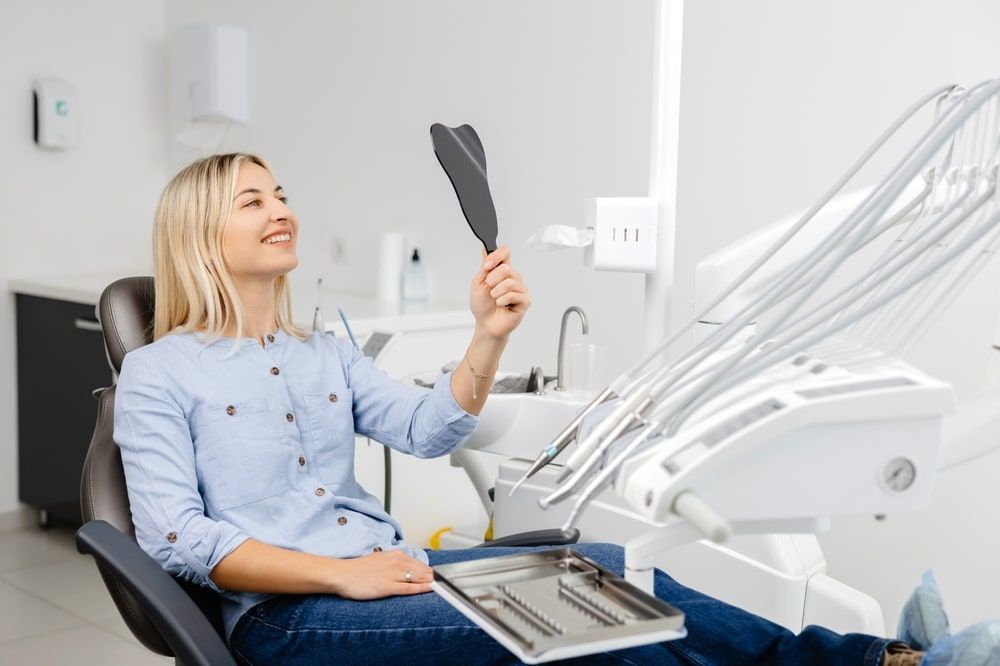
Full mouth reconstruction is a comprehensive approach to restoring both the function and aesthetics of a patient’s smile. This process is often recommended for individuals with extensive dental damage, significant tooth loss, or severe wear and tear. At New Teeth Chicago Dental Implants in Chicago, IL, patients often seek this transformative solution to regain comfort, oral health, and confidence. Unlike a single procedure, full mouth reconstruction combines multiple restorative and cosmetic treatments to address the unique needs of each patient, creating a harmonious balance between appearance and functionality.
The goals of full mouth reconstruction extend beyond simply replacing missing teeth. They also include correcting bite alignment, restoring proper jaw function, and preventing further oral health issues. Patients may have a combination of missing teeth, decayed or damaged teeth, and worn enamel, all of which can lead to difficulty chewing, speaking, and maintaining oral hygiene. By taking a holistic approach, full mouth reconstruction addresses both immediate concerns and long-term oral health, providing patients with a durable and aesthetically pleasing smile.
A critical aspect of the process is individualized planning. Every patient’s dental anatomy, bone structure, and aesthetic goals are considered when designing the reconstruction. This ensures that the final result not only restores function but also complements the patient’s natural facial features. This level of customization sets full mouth reconstruction apart from more limited dental procedures.
Key Procedures Involved
Full mouth reconstruction can involve a variety of dental treatments, often tailored to the patient’s specific needs. Common procedures include crowns and bridges, veneers, dental bonding, and dental implants. Each treatment addresses a particular aspect of the patient’s oral health while contributing to the overall restoration.
- Crowns and Bridges: These restorations repair damaged teeth or replace missing teeth, providing structural support and improving aesthetics.
- Veneers: Veneers are thin shells applied to the front surfaces of teeth to correct shape, color, and minor alignment issues.
- Dental Bonding: Bonding repairs minor chips, cracks, and gaps, enhancing the appearance of the teeth while preserving their natural structure.
- Dental Implants: Implants, including same-day dental implants and All-On-4 implants, anchor replacement teeth securely in the jaw, providing stability and preventing bone loss.
These treatments are often combined to achieve a seamless outcome that restores both function and appearance. The precise combination of procedures depends on factors such as the patient’s oral health, the condition of remaining teeth, and personal cosmetic goals.
The Planning Process
Planning is the foundation of a successful full mouth reconstruction. Before any treatment begins, patients undergo a comprehensive evaluation that includes oral examinations, imaging, and sometimes digital scanning. This assessment allows the dental team to identify issues such as tooth decay, gum disease, misaligned bites, or jawbone deficiencies. At New Teeth Chicago Dental Implants, detailed planning ensures that each step of the reconstruction aligns with the patient’s functional and aesthetic needs.
Treatment planning also involves prioritizing procedures and sequencing them appropriately. For example, existing oral health issues such as gum disease or cavities may need to be addressed before restorative work can begin. Similarly, patients receiving dental implants may undergo bone grafting or other preparatory procedures to ensure a stable foundation. The planning stage is also the time when patients can discuss their aesthetic goals, such as tooth color, shape, and overall smile design, allowing for a customized, predictable result.
Advanced technology, including 3D imaging and digital treatment planning, often plays a crucial role in modern full mouth reconstruction. This technology helps create precise surgical guides for implant placement and ensures that crowns, bridges, and other restorations fit perfectly. By carefully planning each step, dentists can minimize complications and maximize the longevity and effectiveness of the restoration.
The Treatment Experience
Patients can expect the treatment experience for full mouth reconstruction to vary depending on the number and type of procedures involved. Some may undergo several visits spread over weeks or months, while others may benefit from accelerated approaches such as same-day dental implants. Procedures are typically performed under local anesthesia or sedation, allowing patients to remain comfortable throughout treatment.
For more complex reconstructions, treatments like All-On-4 implants or implant-supported dentures may be incorporated to replace entire arches of teeth. Recovery and adjustment periods are often required, particularly for implant procedures, to allow the jawbone to heal and integrate with the implants. During this time, patients may receive temporary restorations to maintain function and aesthetics while the permanent restorations are finalized.
Communication with the dental team is essential during treatment. Patients are guided on proper oral hygiene, diet, and care for temporary restorations to support healing and ensure optimal results. Regular follow-up visits help monitor progress, make necessary adjustments, and address any concerns promptly.
Recovery and Long-Term Care
Recovery from full mouth reconstruction involves a combination of short-term healing and long-term maintenance. Immediately following procedures, patients may experience mild discomfort or swelling, which is managed with medications and post-operative instructions. Oral hygiene practices such as brushing, flossing, and rinsing with antibacterial solutions are critical to support healing and prevent infection.
Long-term success depends on maintaining proper care for both natural teeth and restorations. Crowns, bridges, veneers, and implants all require regular dental visits for professional cleanings and examinations. Patients are also encouraged to avoid habits that could damage restorations, such as chewing hard objects or using teeth as tools. With consistent care, full mouth reconstruction can provide lasting results that restore both function and confidence.
Another long-term benefit of full mouth reconstruction is the preservation of jawbone and facial structure. Procedures like dental implants stimulate the bone, reducing the risk of bone loss that often accompanies tooth loss. This helps maintain facial contours and prevents the sunken appearance that can occur with extensive tooth loss or untreated dental damage.
Benefits Beyond Function and Aesthetics
The advantages of full mouth reconstruction extend beyond improved chewing and a beautiful smile. Many patients report enhanced self-esteem, increased confidence in social situations, and a renewed willingness to engage in everyday activities such as eating and speaking without discomfort. Restoring oral health also contributes to overall wellness, as chronic dental issues can impact systemic health and quality of life.
Patients considering full mouth reconstruction can expect a transformation that addresses both functional and cosmetic concerns. By combining multiple restorative procedures into a comprehensive plan, patients achieve a smile that is durable, comfortable, and natural-looking. With careful planning, skilled execution, and ongoing care, full mouth reconstruction provides a life-changing solution for those with extensive dental needs.
At New Teeth Chicago Dental Implants in Chicago, IL, understanding what to expect from full mouth reconstruction empowers patients to make informed decisions and approach their treatment with confidence, knowing they are investing in long-term oral health and quality of life.
Resources:
Naert, I., et al. (1994). A 10-Year Prospective Study of Implant-Supported Prostheses in Edentulous Patients. Journal of Prosthetic Dentistry.
Mangano, F., et al. (2015). Clinical and Technical Outcomes of Full Mouth Reconstruction. Clinical Implant Dentistry and Related Research.
Awad, M. A., et al. (2003). Patient Satisfaction with Implant-Supported Overdentures. International Journal of Prosthodontics.