
Traveling abroad can be an exciting adventure, but for individuals with dental restorations, it requires careful planning to ensure long-term oral health. At New Teeth Chicago Dental Implants in Chicago, IL, understanding how to maintain restorations such as same-day dental implants or implant supported dentures is essential before setting out on a trip. Planning ahead reduces the risk of complications and ensures that your dental work remains functional and comfortable throughout your travels.
Before leaving, it is crucial to schedule a dental checkup to assess the condition of your restorations. Procedures like crowns and bridges or veneers can develop small issues over time, and addressing them prior to travel minimizes the chance of emergency dental visits abroad. Additionally, ask your dentist for a written record of your dental history, including the materials used in your restorations, which can be invaluable if you require dental care while overseas.
Carrying the Right Supplies
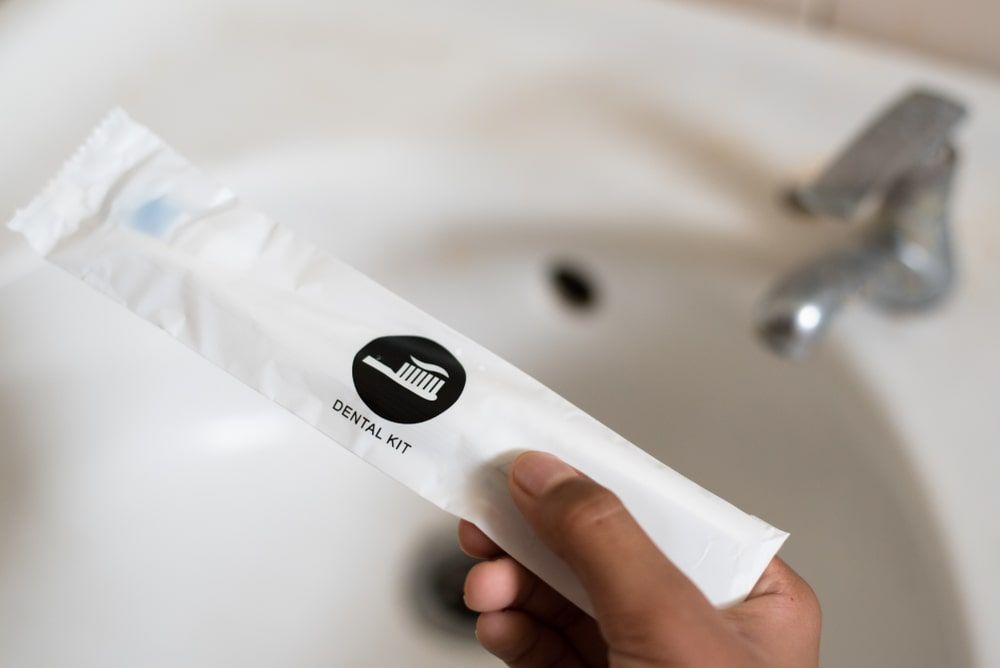
Maintaining restorations while traveling requires bringing the correct tools and oral hygiene products. Travelers should pack a travel-sized toothbrush, interdental brushes, dental floss, and any specialized cleaning products recommended by their dentist. For those with fixed dentures or All-On-4 implants, cleaning kits designed for prosthetics are especially useful to prevent plaque buildup and irritation.
It’s also helpful to carry a small dental emergency kit. Items like temporary dental cement, pain relievers, and antiseptic rinses can provide short-term relief if a restoration becomes loose or irritated. While these supplies are not a replacement for professional care, they can help manage minor issues until you can access a qualified dentist. Preparing these items in advance ensures peace of mind while traveling internationally.
Dietary Considerations While Abroad
Maintaining a safe diet is another key factor for preserving dental restorations. Foods that are excessively hard, sticky, or chewy can damage dental bonding or prosthetic teeth. Travelers should plan meals carefully, balancing the enjoyment of local cuisine with protective strategies for their restorations.
Hydration is equally important, as dry mouth can increase the risk of decay and gum irritation around implants, dentures, or zygomatic implants. Carrying a small bottle of water and rinsing after meals helps maintain oral health, particularly in regions where tap water may not be safe for drinking. Developing simple habits like rinsing and brushing after eating supports the longevity of restorations throughout a trip.
Managing Emergencies Abroad
Dental emergencies while traveling can be stressful, especially when far from home. Having a plan in place is critical for individuals with complex restorations, including full mouth reconstruction or sedation dentistry history. Researching local dental providers in advance, especially in popular travel destinations, ensures access to professional care if needed.
Travelers should also familiarize themselves with international health insurance options that cover dental emergencies. Keeping contact information for your home dentist and understanding the materials and techniques used in your restorations can simplify communication with overseas dental professionals. This preparation reduces stress and ensures that any necessary treatments can be completed efficiently and safely.
Adapting Oral Hygiene Routines
Maintaining your oral hygiene routine while traveling is essential for protecting restorations like dental implants and implant-supported dentures. Establishing consistent brushing, flossing, and rinsing habits prevents plaque buildup and preserves the integrity of your dental work.
Consider using travel-friendly tools such as compact water flossers, which can effectively clean around prosthetic teeth, bridges, or implants when traditional flossing is difficult. Even a short, regular hygiene routine can significantly reduce the risk of irritation, decay, or other complications, allowing you to enjoy your trip without worrying about dental setbacks.
Planning Long-Term Care After Travel
After returning home, scheduling a follow-up appointment with your dentist is highly recommended. This allows for a professional evaluation of any potential changes or wear that occurred while abroad. Procedures like crowns and bridges or minor repairs to veneers can be addressed promptly to prevent further issues.
Keeping detailed travel notes about your diet, oral hygiene habits, and any symptoms experienced can also help your dentist provide personalized advice for maintaining restorations long-term. Proactive care, both before and after travel, maximizes the lifespan of dental restorations and ensures continued comfort and function.
Traveling with restorations can be a smooth and worry-free experience when prepared correctly. At New Teeth Chicago Dental Implants, Dr. Irfan Atcha emphasizes the importance of planning, proper hygiene, and emergency readiness for seniors and adults in Chicago, IL, seeking to maintain their dental health while exploring the world.
Resources
McLaughlin, K. A., & Nolen-Hoeksema, S. (2011). Rumination as a Transdiagnostic Factor in Depression and Anxiety. Behavior Researcher and Therapy.
American Dental Association. (2022). Traveling with Dental Restorations. ADA.org
Centers for Disease Control and Prevention. (2023). Oral Health Tips for Travelers. CDC.gov