

Published
12 minute read
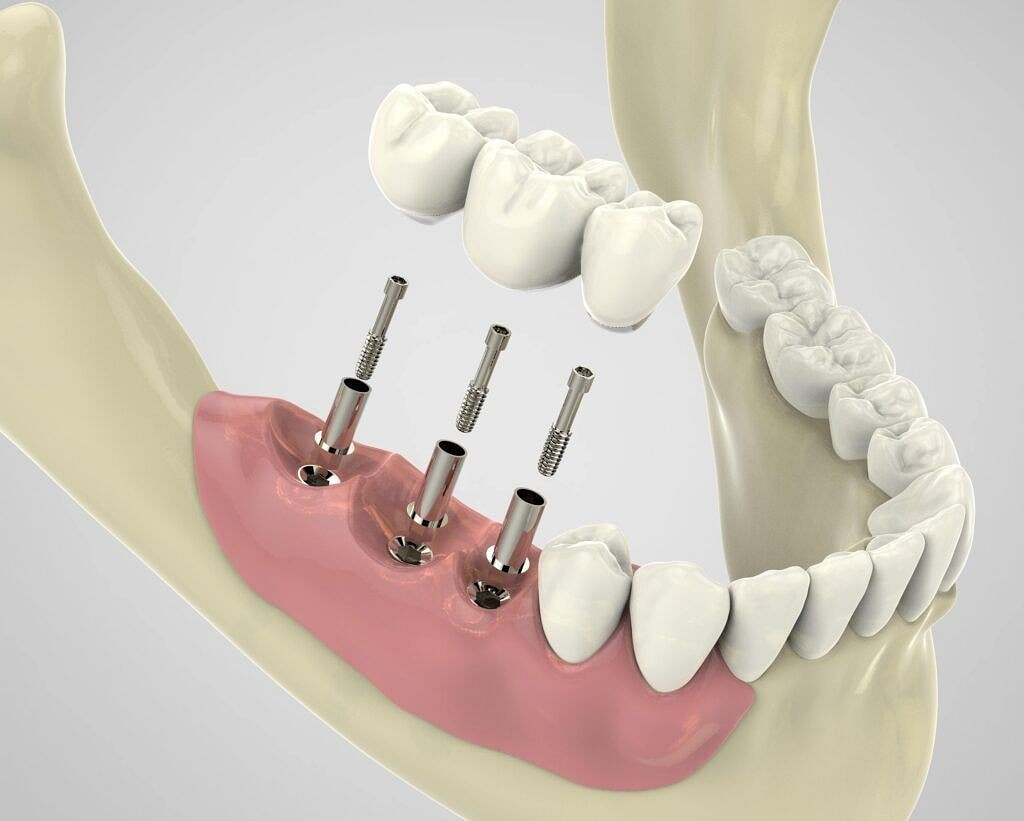
Dental implants represent a groundbreaking advancement in restorative dentistry, offering a durable solution for replacing missing teeth and enhancing oral functionality. These artificial tooth roots, typically made from titanium, are surgically inserted into the jawbone, providing a strong foundation for replacement teeth that look, feel, and function like natural teeth. This blog post will guide you through the detailed step-by-step process of dental implant placement, from the initial consultation and planning stages to the surgical procedure, post-surgical care, and long-term maintenance. Understanding the comprehensive journey of obtaining dental implants can demystify the process and illustrate why they have become a preferred option for those looking to restore their smile and chewing ability.
The journey toward getting dental implants begins with a detailed consultation and planning phase. During the initial consultation, you’ll meet with a dentist or oral surgeon who specializes in implantology. This is a crucial step to determine whether you are a suitable candidate for dental implants. The specialist will review your medical and dental history, examining any factors that could affect the success of the implant procedure, such as underlying health conditions or oral health issues.
Your dental specialist will ask about your medical history, including any medications you are taking, allergies, and past surgeries. This information helps in assessing your overall health and identifying any conditions that might complicate the dental implant process.
A thorough examination of your mouth, teeth, and gums will be conducted to evaluate your oral health. The condition of your remaining teeth, gum health, and the amount and quality of your jawbone are key factors in determining your eligibility for implants.
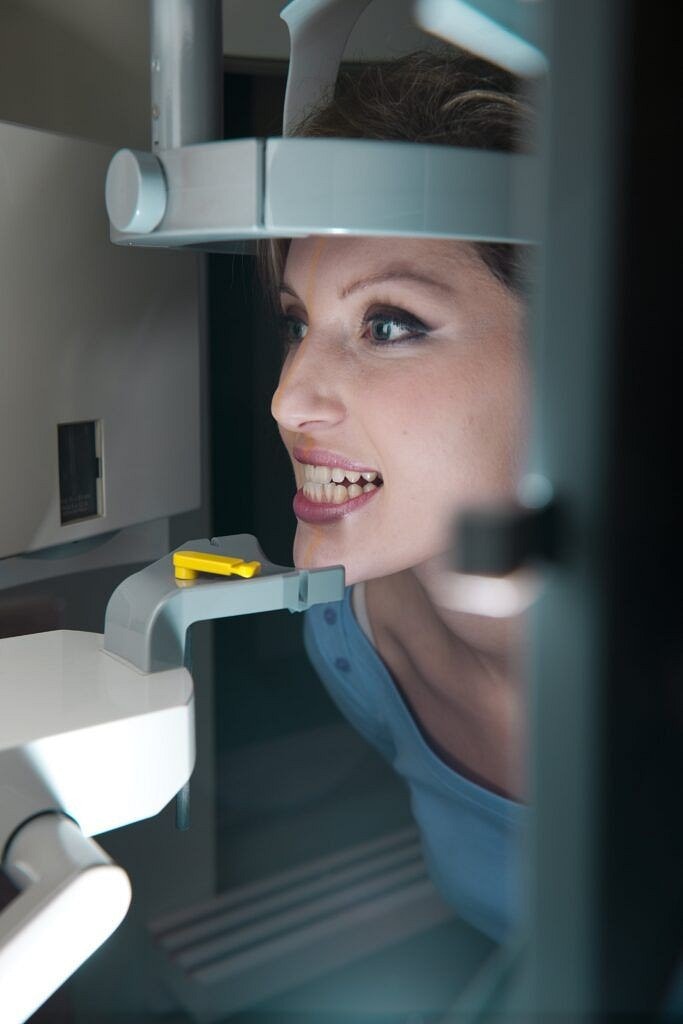
Advanced imaging techniques, such as X-rays or CT scans, play a critical role in the planning process. These tests provide detailed images of your jawbone, revealing its density, volume, and the location of vital structures like nerves and sinuses. This information is essential for planning the precise placement of the dental implants.
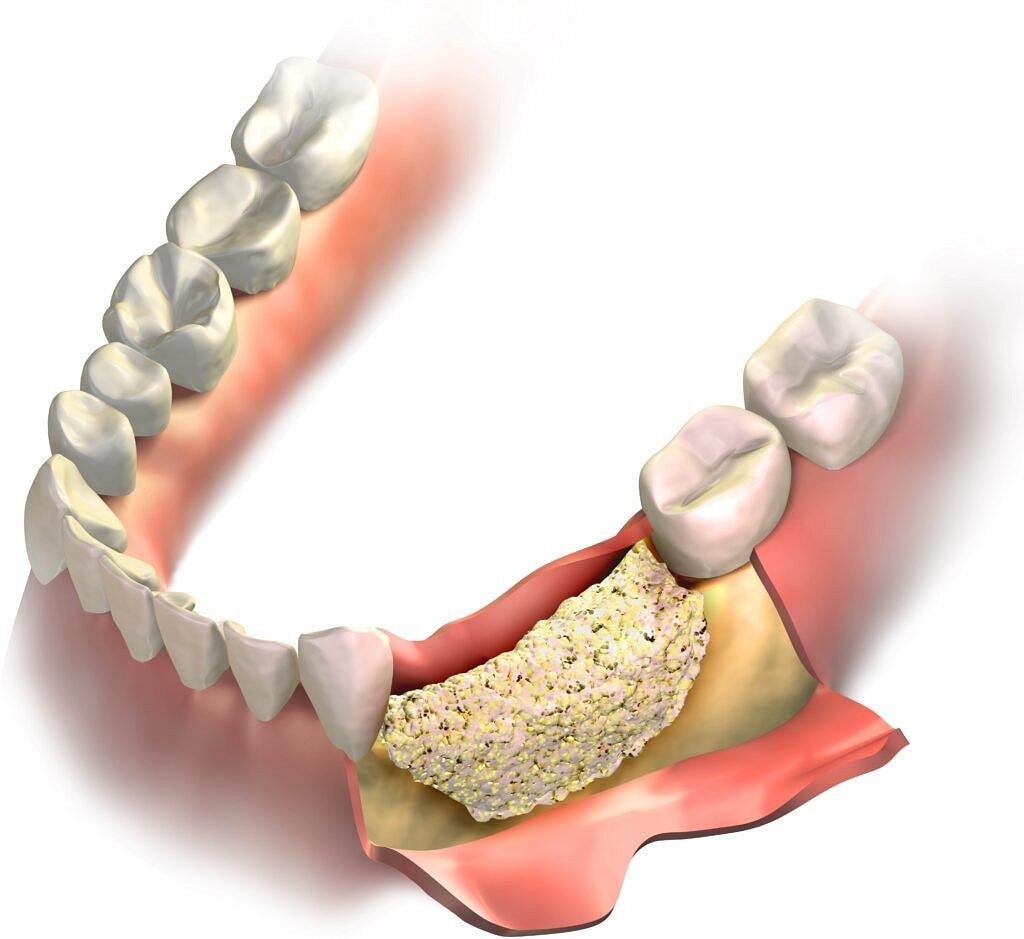
Based on the results of your medical history review, oral health assessment, and imaging tests, the dentist or oral surgeon will develop a personalized treatment plan. This plan outlines the steps involved in your dental implant journey, including any preparatory procedures you might need before the implant surgery. For instance, if your jawbone lacks sufficient density to support an implant, you may require a bone grafting procedure to enhance the bone structure.
The consultation and planning stage is foundational for a successful dental implant process. It ensures that every aspect of your health and oral condition is considered, leading to a tailored approach that maximizes the chances of a successful outcome.
Once you are deemed a suitable candidate for dental implants, the next step is to prepare for the surgical procedure. This stage involves understanding and following pre-operative instructions, as well as undergoing any necessary preparatory procedures to ensure the best possible outcome for the implant surgery.
Before the surgery, your dental specialist will provide detailed instructions to prepare you for the procedure. These instructions may include dietary restrictions, such as fasting for a certain period before the surgery, and guidelines on medication intake. It’s crucial to adhere to these instructions to minimize the risk of complications during and after the surgery.
Some patients may require additional dental procedures before receiving implants to ensure the success of the implantation process. For example:
Using the information gathered from your consultations and imaging tests, your surgeon will meticulously plan the implant surgery. This planning might involve creating a surgical guide, a custom-made device that fits over your existing teeth and extends over the area to receive the implant, directing the surgeon in drilling the jawbone at the precise angle and depth required for the implant.
This preparation phase is pivotal in ensuring that the dental implant process is executed with precision and care, laying the groundwork for a successful surgery and optimal recovery.
Dental implant surgery is a multi-step procedure that involves placing the implant into the jawbone to act as a root for the artificial tooth. This section outlines the typical steps of the surgery, providing insights into what patients can expect during the procedure.
The surgery begins with the administration of anesthesia to ensure you are comfortable and pain-free throughout the procedure. The type of anesthesia used can vary, ranging from local anesthesia to numb the area, to sedation or general anesthesia, depending on the complexity of the surgery and your comfort level.
Once the anesthesia has taken effect, the surgeon makes a small incision in the gum tissue to expose the underlying bone where the implant will be placed. This incision provides access to the jawbone for the next steps of the procedure.
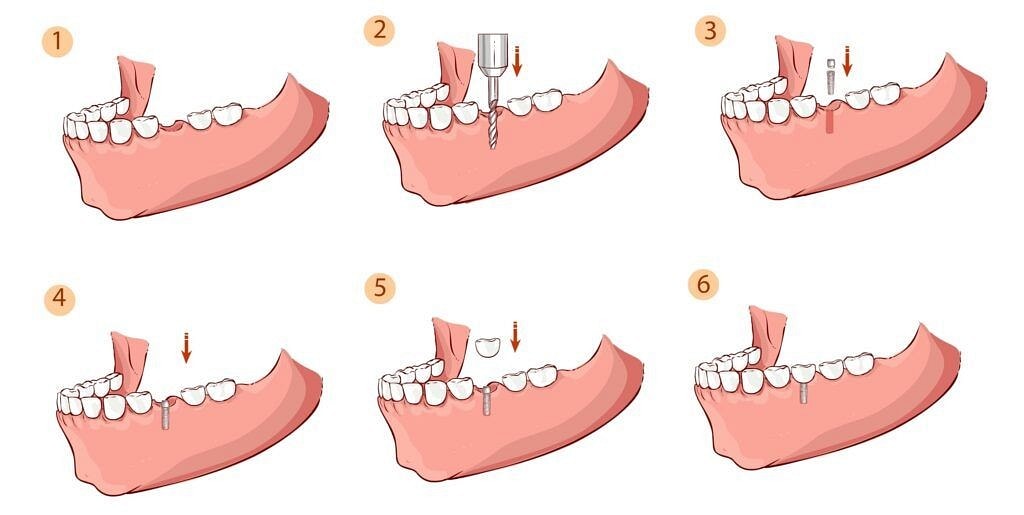
After exposing the jawbone, the surgeon uses a specialized drill to create a hole in the bone. This hole is where the dental implant, a small titanium post, will be inserted. The drilling process is done carefully to avoid damage to surrounding structures and to prepare the site precisely for the implant.
With the hole prepared, the titanium implant is placed into the jawbone. The implant serves as an artificial root for the new tooth. The depth and angle of the implant are critical and are carefully controlled to ensure the best possible outcome for the placement of the prosthetic tooth.
After the implant is securely in place, the surgeon stitches the gum tissue back together over the implant site. In some cases, a healing cap or abutment may be placed on the implant before the gum is closed, protruding through the gum tissue to facilitate the attachment of the replacement tooth later on.
The entire surgical process can take anywhere from one to several hours, depending on the number of implants being placed and the complexity of the individual case. After the surgery, you will be given time to rest and recover before being allowed to go home. While some discomfort, swelling, and bruising are normal after the procedure, your dental team will provide instructions for care and pain management during the healing process.
After the dental implant surgery, proper care is crucial to ensure successful healing and integration of the implant with the jawbone, a process known as osseointegration. This section covers the immediate aftercare following the surgery and the guidelines to manage the healing process effectively.
Following the procedure, you may experience swelling, bruising, minor bleeding, and discomfort around the implant site. These symptoms are normal and typically subside within a few days. Your dentist or oral surgeon will prescribe medications to manage pain and prevent infections. It’s important to follow these prescriptions and any other post-operative instructions closely.
To alleviate pain and reduce swelling, you can use ice packs on the cheek near the affected area. Over-the-counter pain relievers or prescribed medications should be taken as directed. Resting and keeping your head elevated can also help minimize swelling.
Maintaining good oral hygiene is vital for the healing process. You may be advised to use a special mouth rinse or prescribed an antibiotic rinse to prevent infection. Gentle brushing around the implant site can be resumed according to your dentist’s guidance, taking care not to disturb the surgical area.
In the initial days after the surgery, stick to soft foods and avoid chewing directly on the implant site. Gradually reintroduce harder foods as healing progresses. It’s also advisable to refrain from smoking and drinking alcohol, as these can negatively impact the healing process.
Regular follow-up appointments will be scheduled to monitor the healing process and ensure the implant is integrating properly with the jawbone. These visits are an opportunity to address any concerns and adjust care protocols as needed.
The healing and osseointegration process can take several months, during which the implant fuses with the jawbone to provide a stable foundation for the artificial tooth. Adhering to post-surgical care instructions and attending follow-up appointments are essential steps to achieve a successful outcome for your dental implant.
Once the dental implant has successfully integrated with the jawbone, the next phase is the placement of the abutment and crown, which complete the restoration process. This phase involves several steps to ensure that the artificial tooth looks, feels, and functions like a natural tooth.
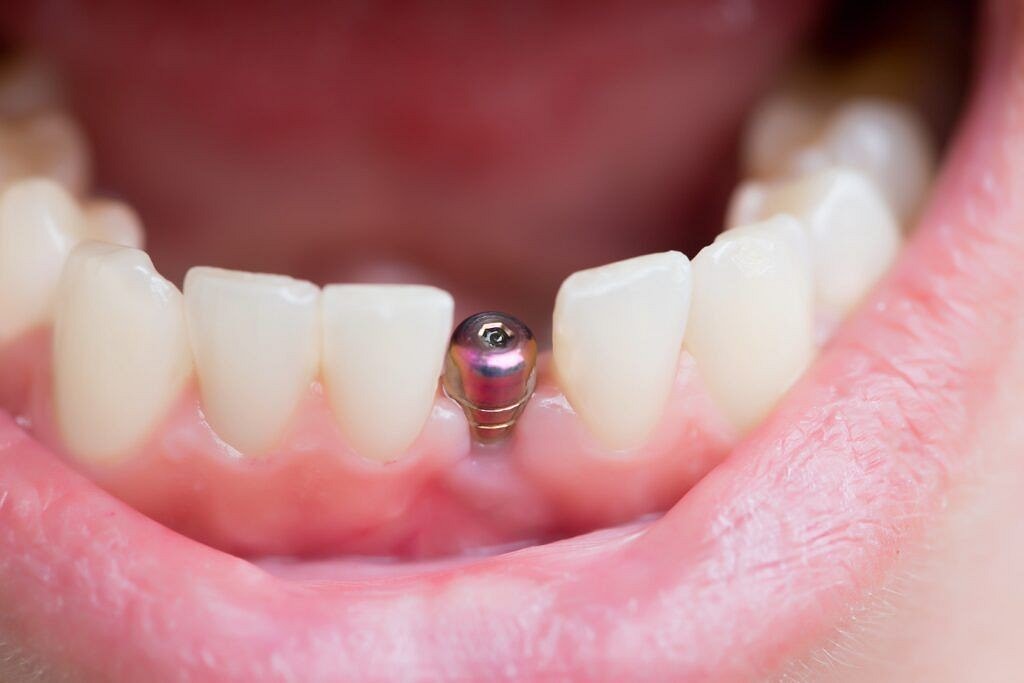
After the crown is placed, you may need a brief period to adjust to the feel of the new tooth in your mouth. Follow-up visits to the dentist are important to ensure the correct fit and bite, and to make any necessary adjustments. Proper care and maintenance, similar to your natural teeth, are crucial for the longevity of the dental implant and crown.
The placement of the abutment and crown marks the culmination of the dental implant process, restoring not only the function of your missing tooth but also enhancing your smile’s aesthetic appearance. With the right care and regular dental check-ups, dental implants can provide a durable and long-lasting solution for missing teeth.
After the placement of the dental implant, abutment, and crown, the focus shifts to recovery and the long-term aftercare of the implant. This stage is critical to ensure the longevity and success of the implant.
Recovery and aftercare are ongoing processes that require attention to detail and a commitment to good oral health practices. With proper care, dental implants can last for many years, providing a functional and aesthetically pleasing solution to missing teeth. Regular interactions with your dental care provider are crucial for the enduring success of your dental implant.
In conclusion, the journey of dental implant placement is a comprehensive process that involves meticulous planning, precise surgical procedures, and diligent post-operative care. From the initial consultation to the final placement of the crown and beyond, each step is crucial in ensuring the success and longevity of the implant. While the process may seem daunting at first, understanding each phase demystifies the procedure and highlights the benefits of dental implants as a reliable and long-lasting solution for replacing missing teeth. With the right care and maintenance, dental implants can significantly improve the quality of life, restoring not just the functionality of natural teeth but also the confidence in a healthy, vibrant smile. If you are considering dental implants, consulting with a qualified dental professional is the first step towards regaining a complete and functional set of teeth.



